
These last two years have been tough for a lot of people, but especially tough for creators. As we are just now shifting towards some degree of normalcy, I wanted to share 5 things I’ve learned as a creative over this strange journey.
Your reason for creating and metric for success needs to be something you can control.
Reasons that depend on the public’s reaction and choices that are completely out of our control, such as money and popularity, will ultimately lead to a whole lot of frustration and angst. Making money off of what you do is valid and necessary, we all have bills. However, it is nearly impossible to be happy if this is the core reason you are creating. Many people create for self expression or therapy. Not everyone creates for themselves, and that’s ok too. For some, just the act of creating itself doesn’t do it; their work is meant to be shared, seen, and heard in order for the process to be complete. Reasons for creating along this vein can be to inspire others to look at the world in a new way, to make other think about x, to connect with and speak to x group of people, to spread joy, to educate. Everyone’s reason is going to be different. My reason is a combination of public and private, which makes sense for me as a hybrid INTROextrovert. I create for self expression and as a form of communication, but also to share the joy of art with others. When I teach, I especially like reaching those who have previously felt limited. I love releasing untapped potential and work a lot with adults with disabilities and older adults beginning artistic journeys late in life. You can control outreach and expression by actively seeking opportunities. You can’t always control fame and fortune.
Don’t include others by limiting yourself.
In other words, don’t do less to make others comfortable – take them alongside you. Creating is so personal, it can be devastating when your work is getting overlooked. Creative fields are also so niche and not as prevalent as other pursuits, so that creators often feel like they are in constant competition with over creatives. It can get weird when a fellow artist starts having a ton of success and you feel like you’ve been working just as hard. I’ve been in both places. I’ve felt like a fool for devoting my life to the hard work I am doing to see things keep falling into place for everyone else. I’ve also recently been in the place where certain things finally began to come together, and I’ve felt some pushback. At times I’ve questioned whether I should move out of the way for other emerging creators. Especially if creating is life-giving for you, do not do less because someone else is asking why not me? Take them along for the ride, collaborate, invite them to share a space with you at shows or festivals. They may end up saying nah, and that’s ok, but don’t crush your own momentum that you’ve worked so hard for. Everything is an eb and flow, up and down like much of life. If you sense a jealous vibe, reach out as a mentor because you know how it is – you’ve been there. Don’t be inclusive by holding yourself back.
There’s nothing wrong with grabbing onto trends that are fun, but follow trends because you want to not because you think it will make your art better. It won’t.
The thing with trends is, the market ends up becoming oversaturated with copies. There is no guarantee your watercolor paintings of Pokémon will take off more than the other 5000 artist on Instagram doing the same thing. (As you can see, I tend to not be so great at following trends. I’m pretty sure Pokémon is over, but I just started playing Pokémon Go last year. Late to the party as always!) If it’s fun and makes you happy, then that’s reason enough to go for it. But, don’t struggle through trying to force your work into a shape it doesn’t fit just to be trend aligned.
Doing art you aren’t good at isn’t a waste of time.
As working creatives, it’s important to set aside time for art to be play as well as work. I recently took a clay hand building class after putting it off for the longest time because my head kept telling me, “In school clay was the only time you ever got Bs in art class, it’s not like you’re ever going to go buy a kiln and start doing this professionally so what’s the point”. The point is to play. For me, it is the same thing with piano. As I plunk along on my little keyboard learning the same song I started trying to play a year ago, do I ever think I’m going to play for a crowd or write my own music? Absolutely not. But in that moment, am I feeling relaxation, joy, and a sense of growth? Certainly.
Going digital isn’t all bad.
Social media and now especially Covid has changed how artists are expected to interact with the public. It can get tedious to constantly curate online media and feel like it is taking away from important time that could be spent creating. Virtual classes can feel impersonal and lacking an important social and experiential element. Virtual exhibits can flatten work and we all know viewing a tiny jpeg on a phone screen can’t compare with standing in front of a largescale work immersed in it. Neither is the experience being at a venue hearing live music the same as watching a livestream. Valid points, but all artists should be excited about the increased accessibility technology provides. I saw an artist I love post a discussion about how harmful it is to consider digital art to be just as valid as traditional art, because an important element of emotional connection with art is the artist physically touching the materials, moving their hands to create. As an advocate for creators with disabilities, the first thought that popped into my head is, what if an artist can’t move their hands the same way as everyone else? Why is art invalid because it uses a different process? What if a person doesn’t have access to transportation but would like to take an art class? What if a person gets anxiety in crowds but wants to experience a live concert or theatrical performance? What if a person can’t afford to travel to a big name art museum but wants to become inspired by some of the world’s most famous masterworks? I get it, change is hard for me too and I truly don’t enjoy creating digitally as much as I do traditionally. Creating video content doesn’t come naturally to me, and it’s not perfect. Inspiring others to create who live on the opposite side of the country and will never attend one of my in-person art classes? That’s amazing regardless.
Other creatives – what is something you’ve learned recently?

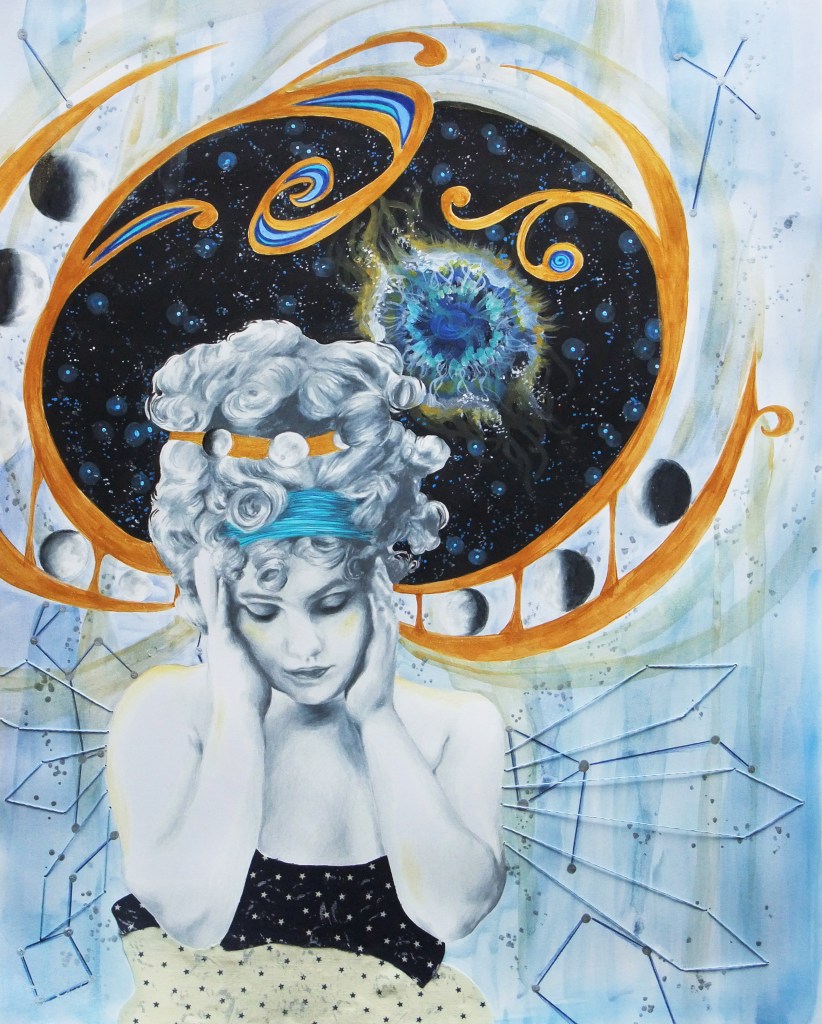
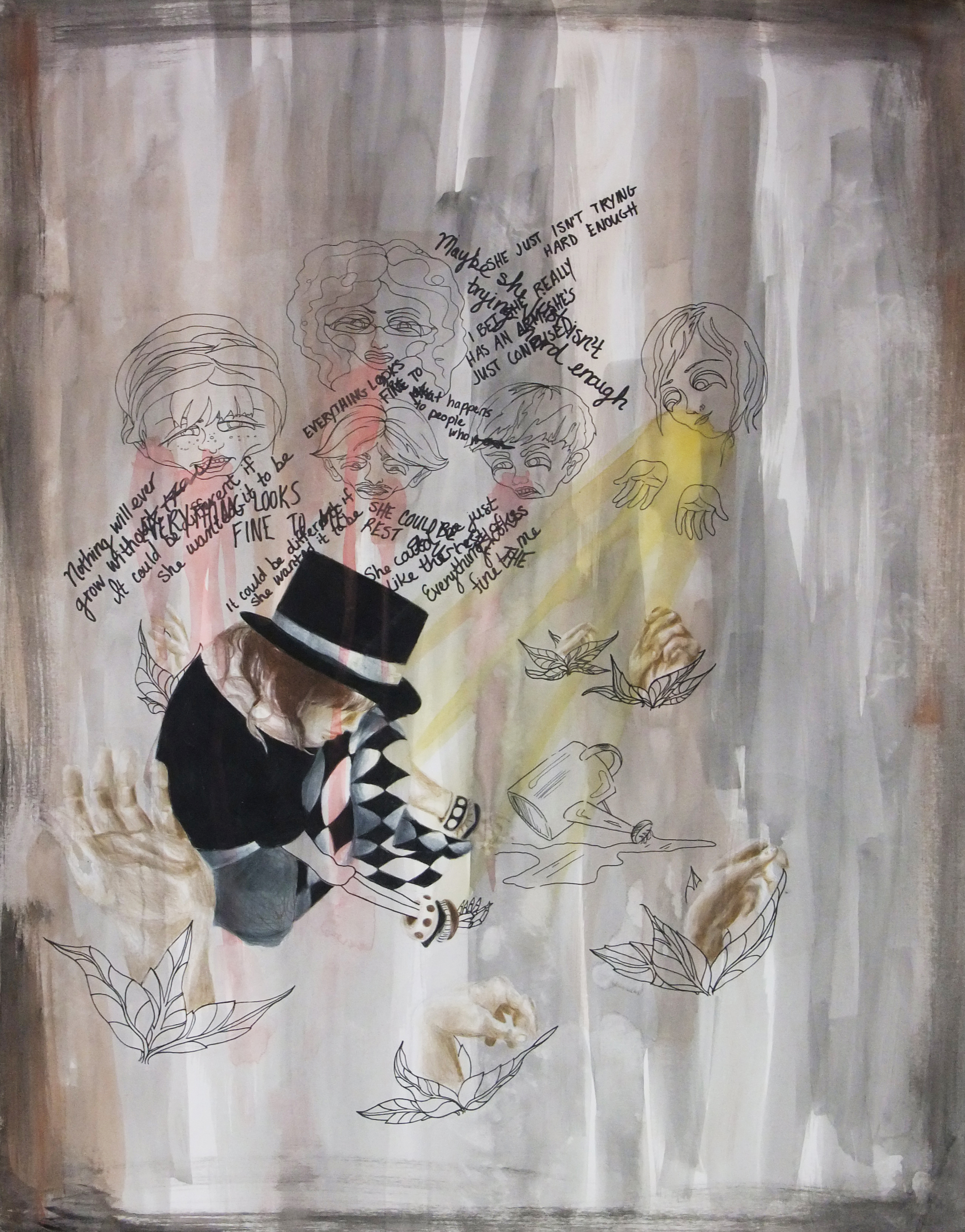
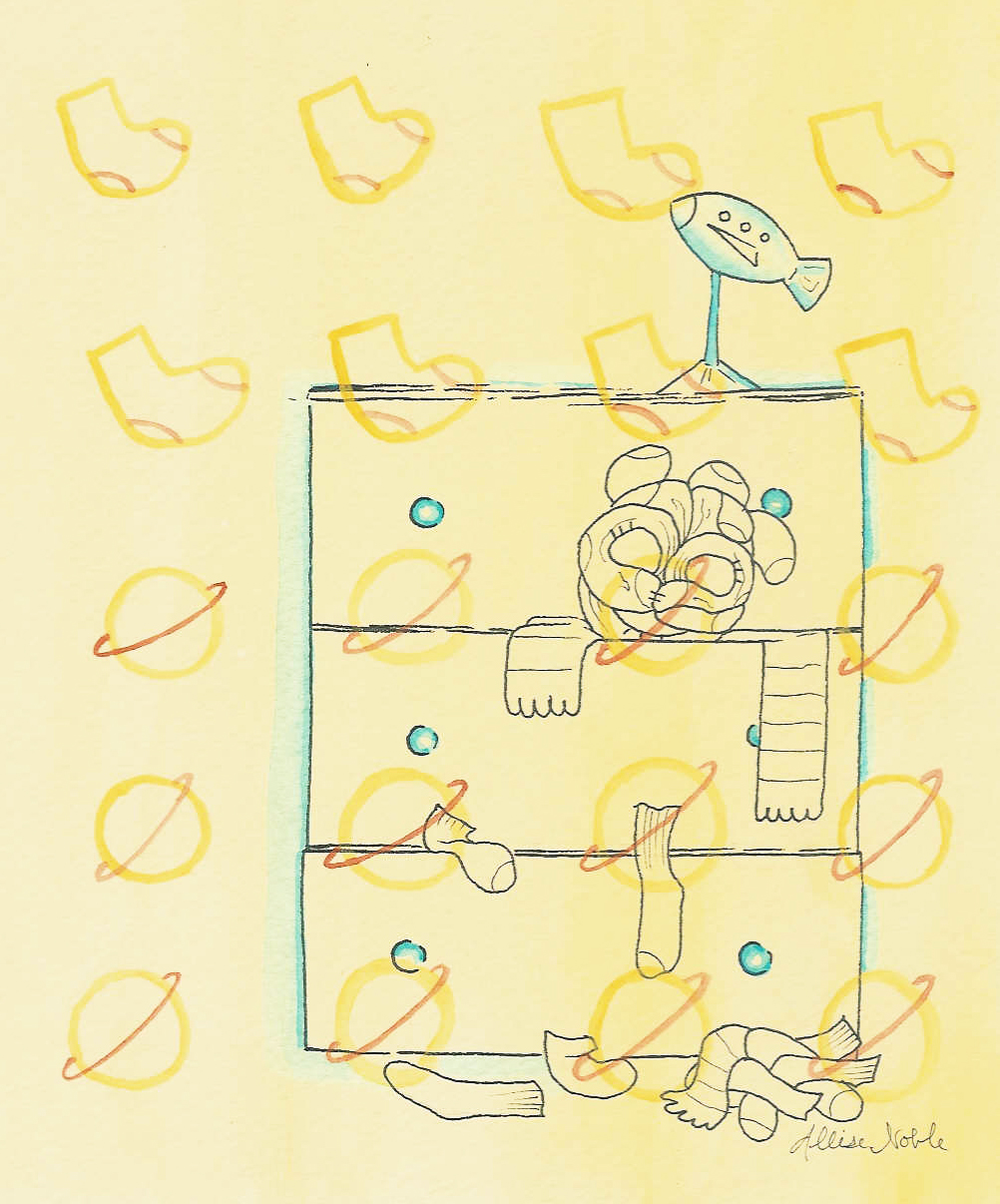 One of the most frustrating things in the world for any creative person is that tricky artist’s block, lurking where you least expect it waiting to destroy everything that once brought you joy. It is quite literally the worst. I’ve experienced my own bouts of artist’s block on and off over the last year, and hope that some of the things that were effective for me may help other creatives out there. Without further adieu …
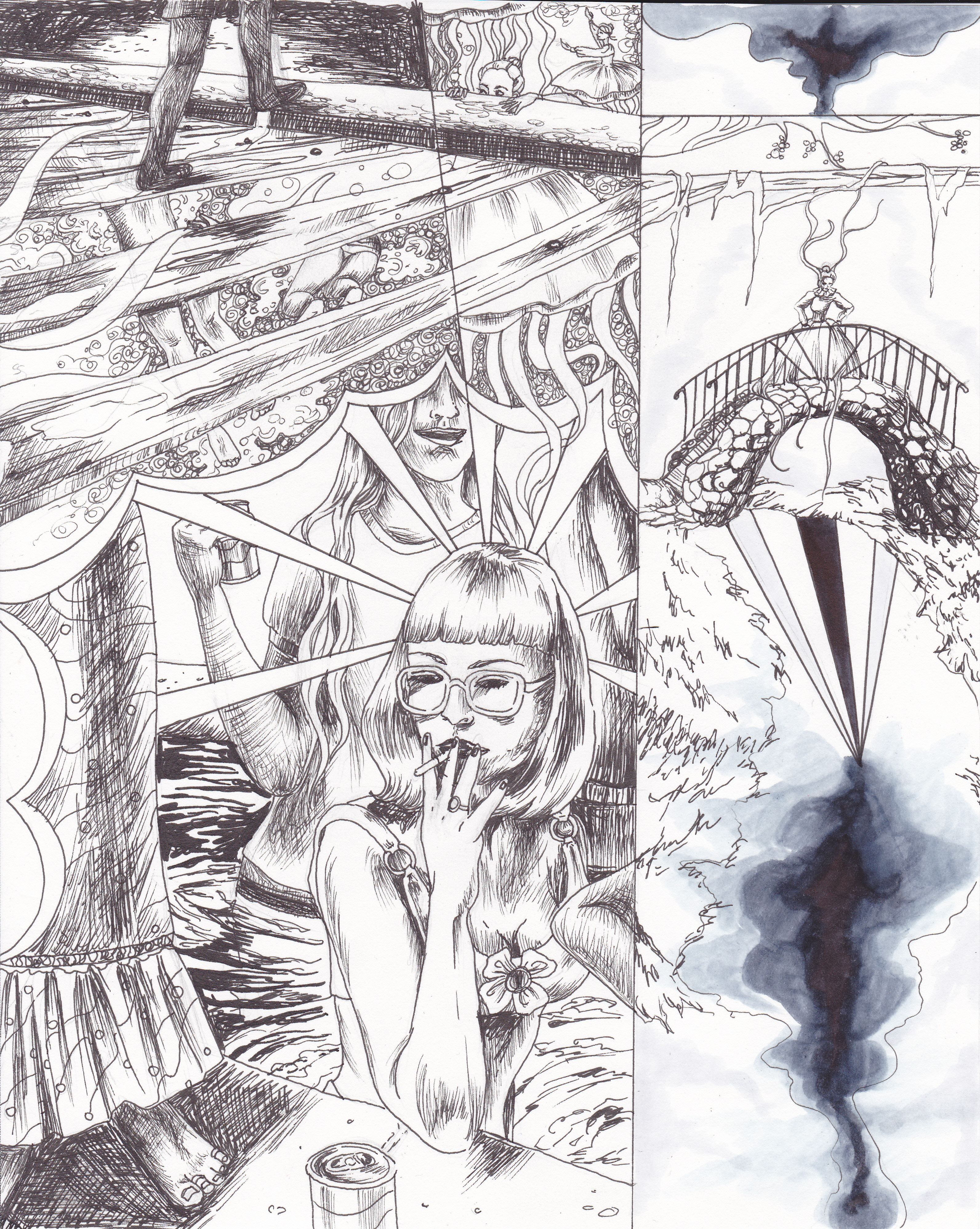
 Draw from what you are feeling. Sometimes we have these specific plans of visuals we want to create, but for whatever reason we just can’t get it out of our own heads. In the moment, something isn’t clicking. Creative practice is different from forcing yourself to to exercise or do the dishes … Sometimes not being enthused or inspired can be a legitimate barrier to getting anything done. If you experience one of these blockades, then what I’ve found works is to just roll with it and draw from what you are feeling in that moment. Are you feeling tense and exhausted? Make something about it, which is exactly what I ended up doing when I began the above drawing, “The Rush Hour”. Creativity is such a personal experience that draws on bringing the inside out, so if you aren’t in the right mindset don’t force yourself to make art about something that you aren’t feeling right now.
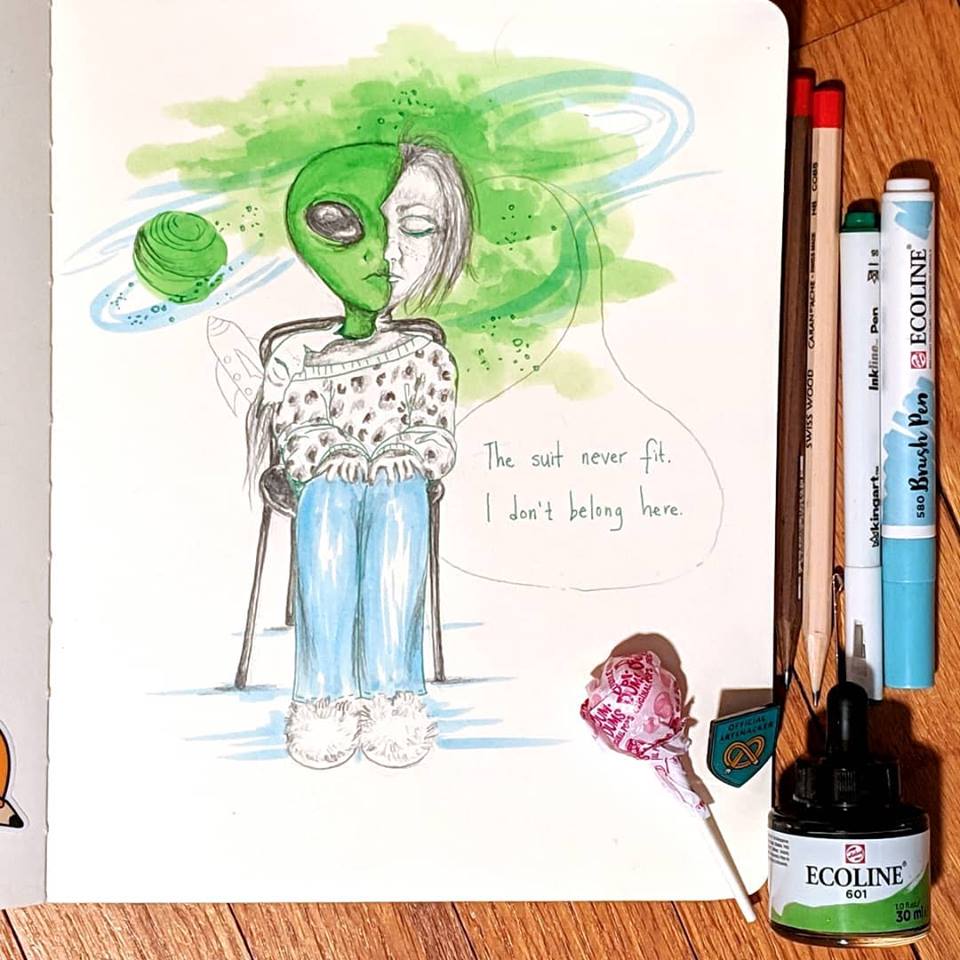 Create challenges for yourself. I don’t watch a ton of TV, but I am a big fan of cooking challenge shows like
 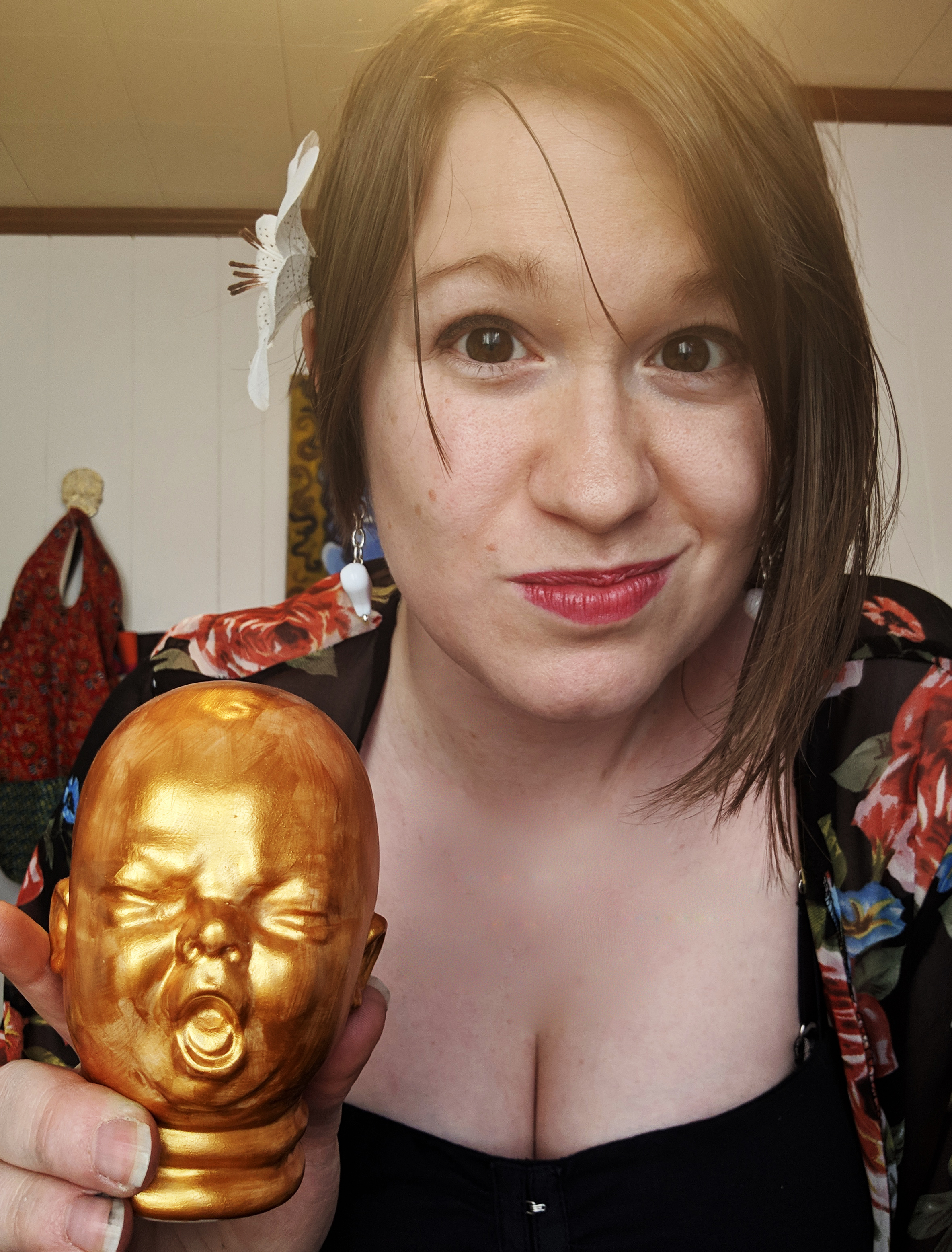 Get together with other creative people and do silly, low stress artsy activities. For my day job I run an art therapy based program, so I every day I get to see the power art has to inspire joy in both the creator and those around them, and how art has the power to make people feel heard and understood, and lift some of the individual weights we all have holding us down in our life even if only for a moment. Let’s be real though, art is also difficult and like any other skill takes practice and discipline. Make sure you have a balance in your life of serious artistic practice but also creative activities that are just for fun, where the process is more important than the outcome. I’ve recently been getting together with a small group of friends for monthly creative nights, and even if all we do is some silly home decor Pinterest fail project, just the practice of no-pressure creating is so rejuvenating. I’m also working individually on a screaming ceramic baby head paperweight, so there’s that. Ah, therapy…
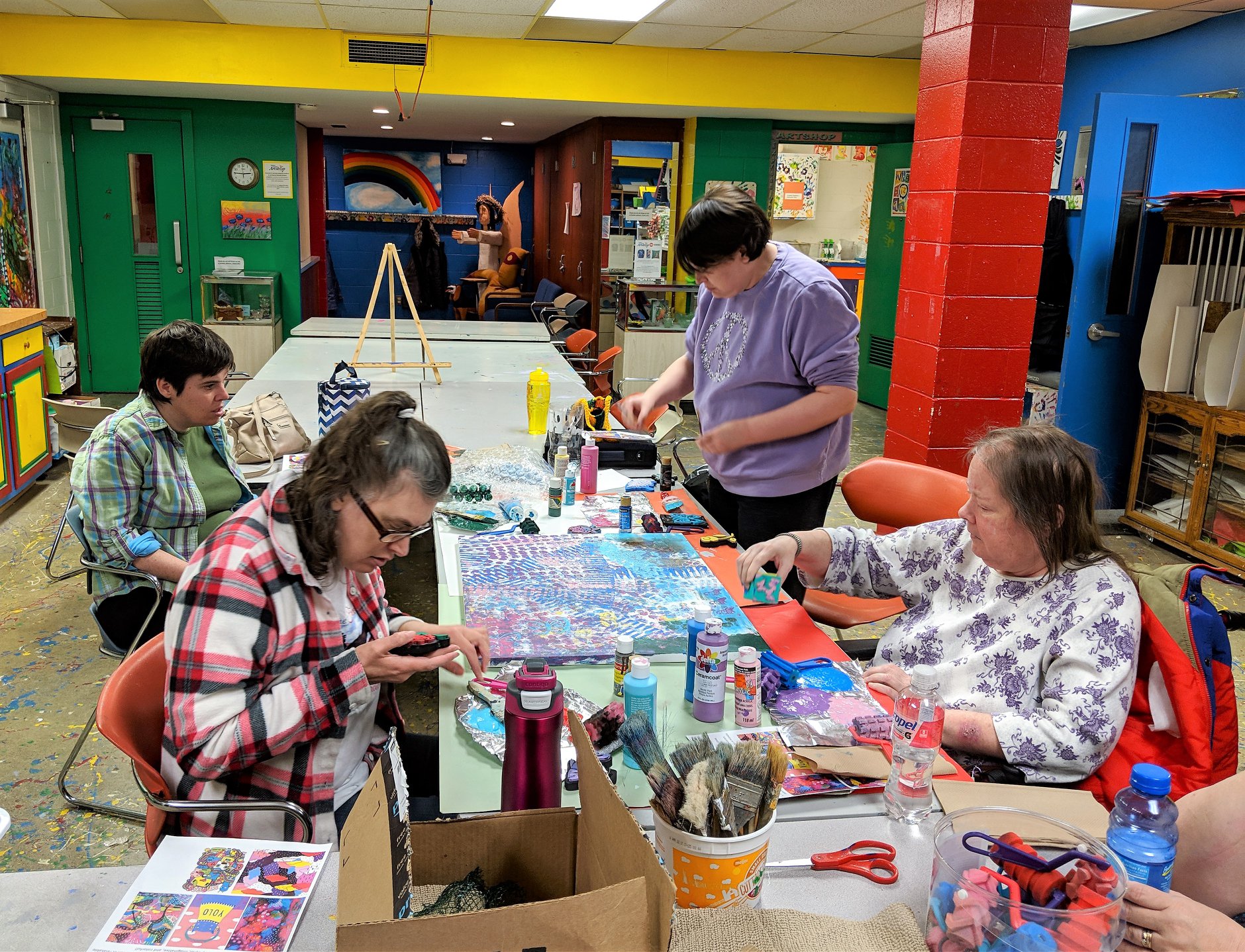 Let other artists challenge and motivate you, but don’t compare yourself. Talking to other more experienced artists and learning from them is fantastic (Though I’d also argue you can learn from those that may be less experienced as well; I learn from my students all the time!), but it becomes toxic when you start comparing yourself to them. Everyone has their own style, and their own timeline. Don’t feel like you have to completely model yourself after someone else to be successful.
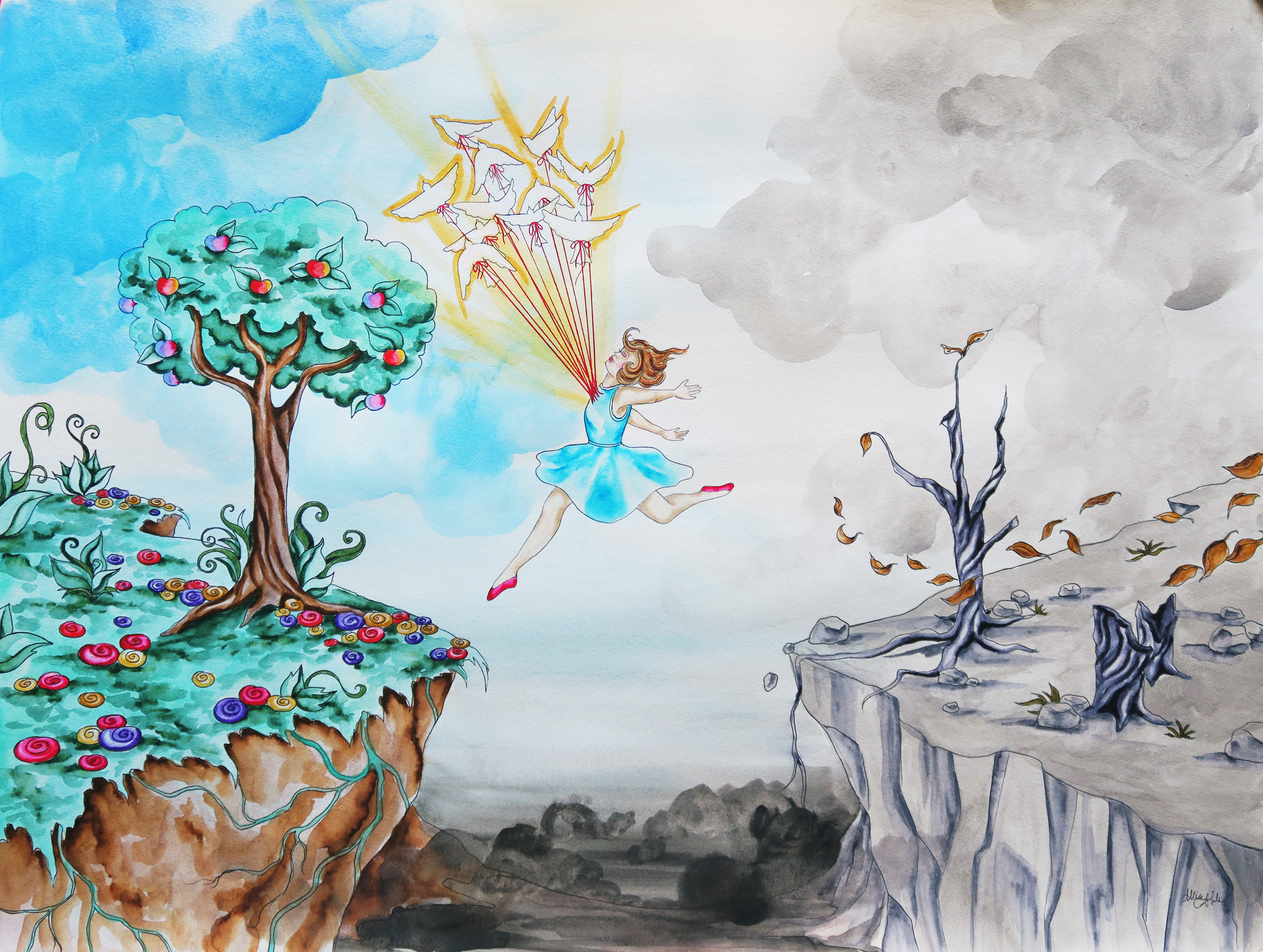






 I studied interior design in college, and I remember dreading the 3D model portion of each semester-long project. This is the one and only photograph I have of any of my models, and it is taken in aerial view because that was literally the only acceptable angle I could manage. At least this one wasn’t cut out of a Lucky Charms cereal box. Yes, I really turned in a model covered in pictures of colorful, Leprechaun themed marshmallows. Yes, it was sad. Now they have 3D printers for this crap.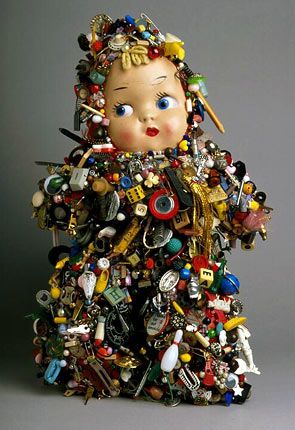





 Allise Nicole's Artistic Explorations