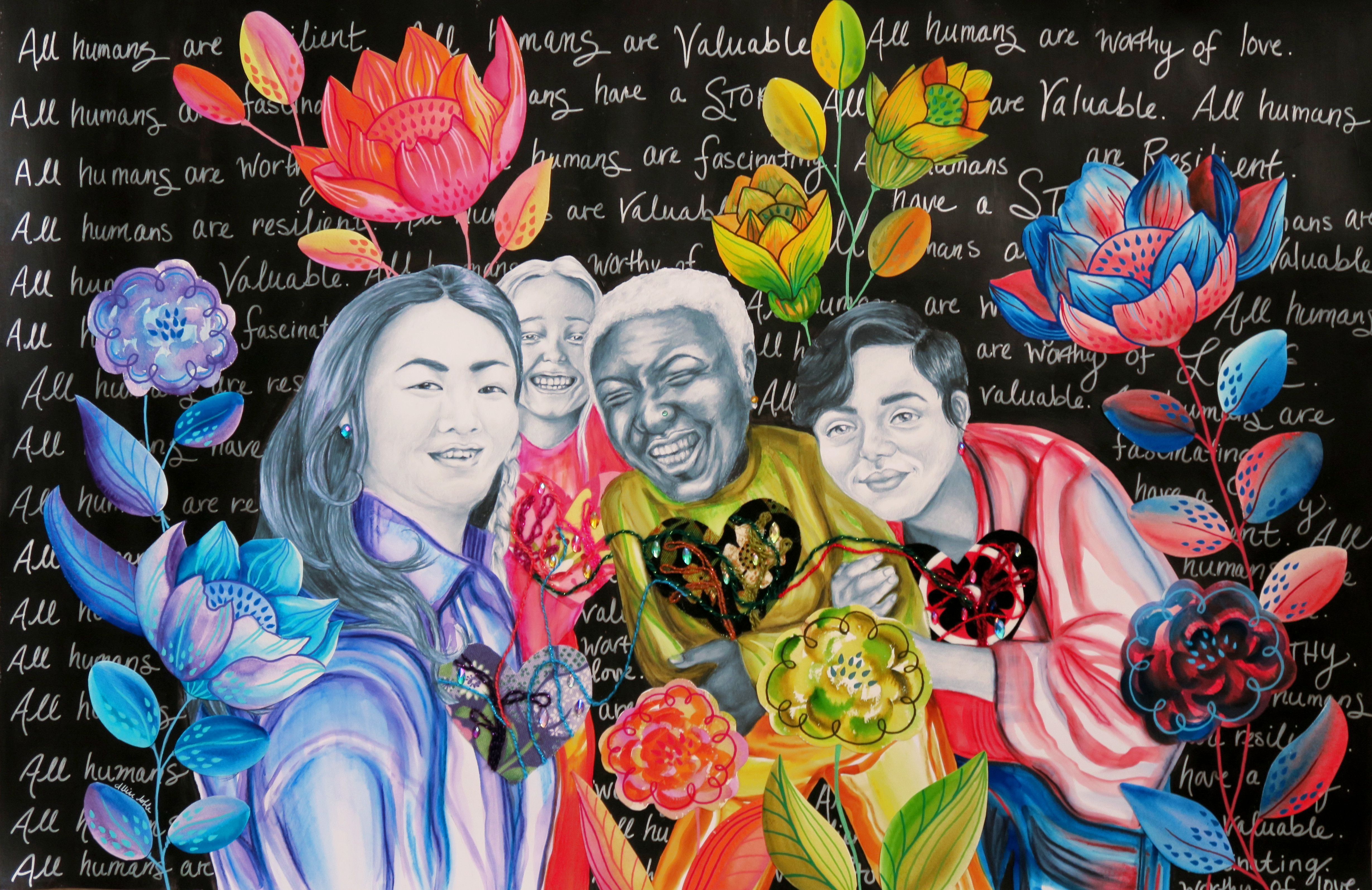
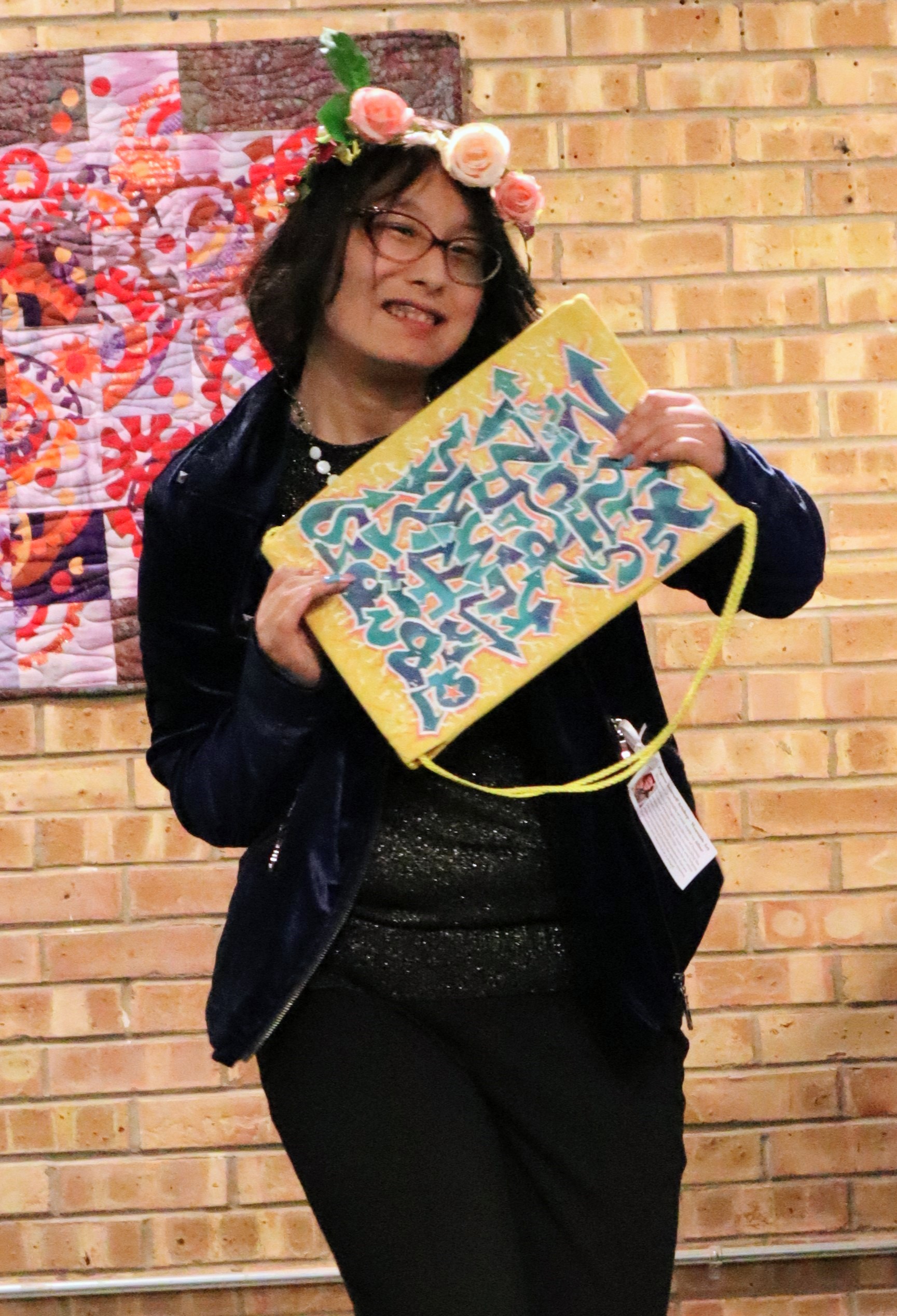
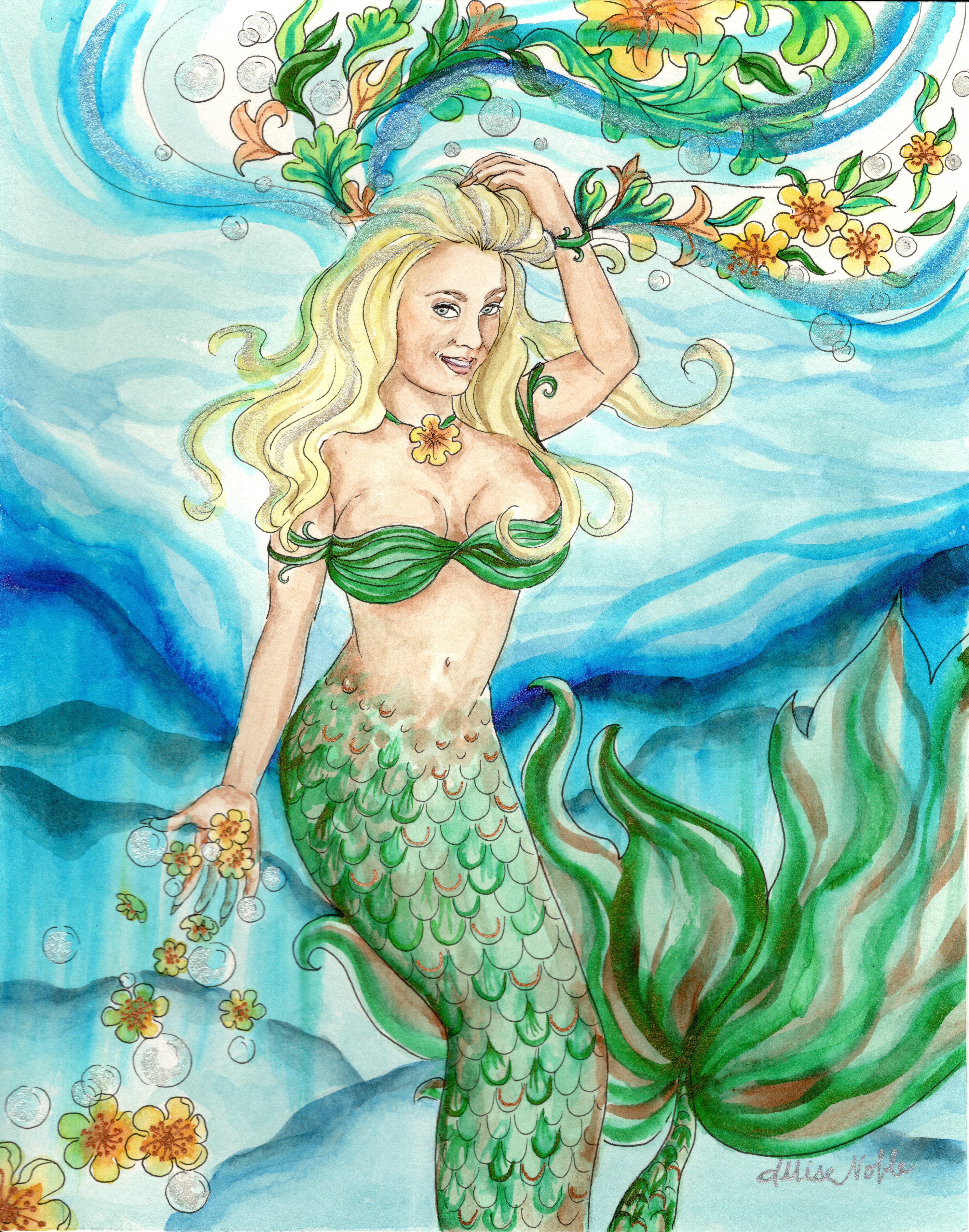
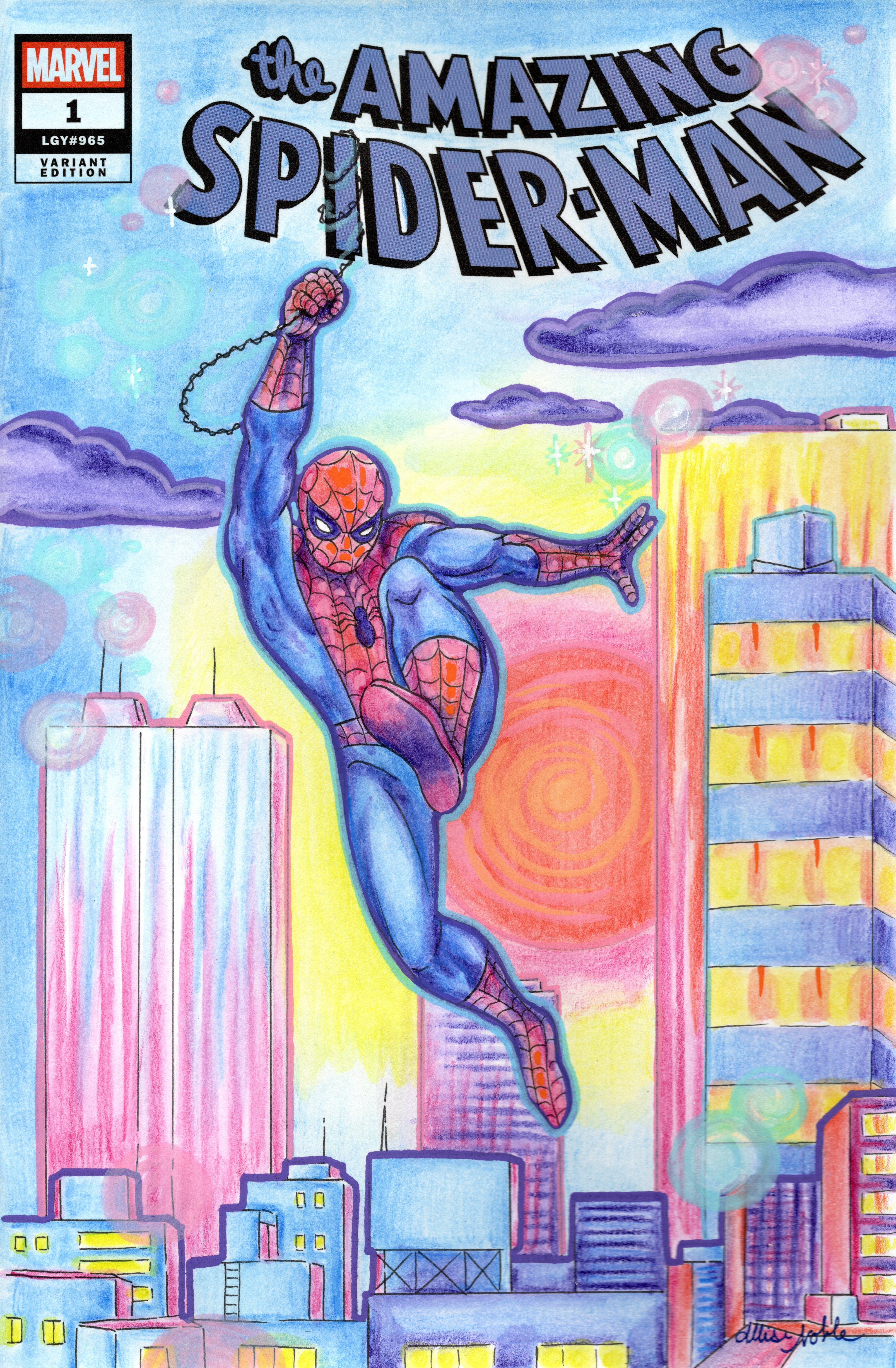
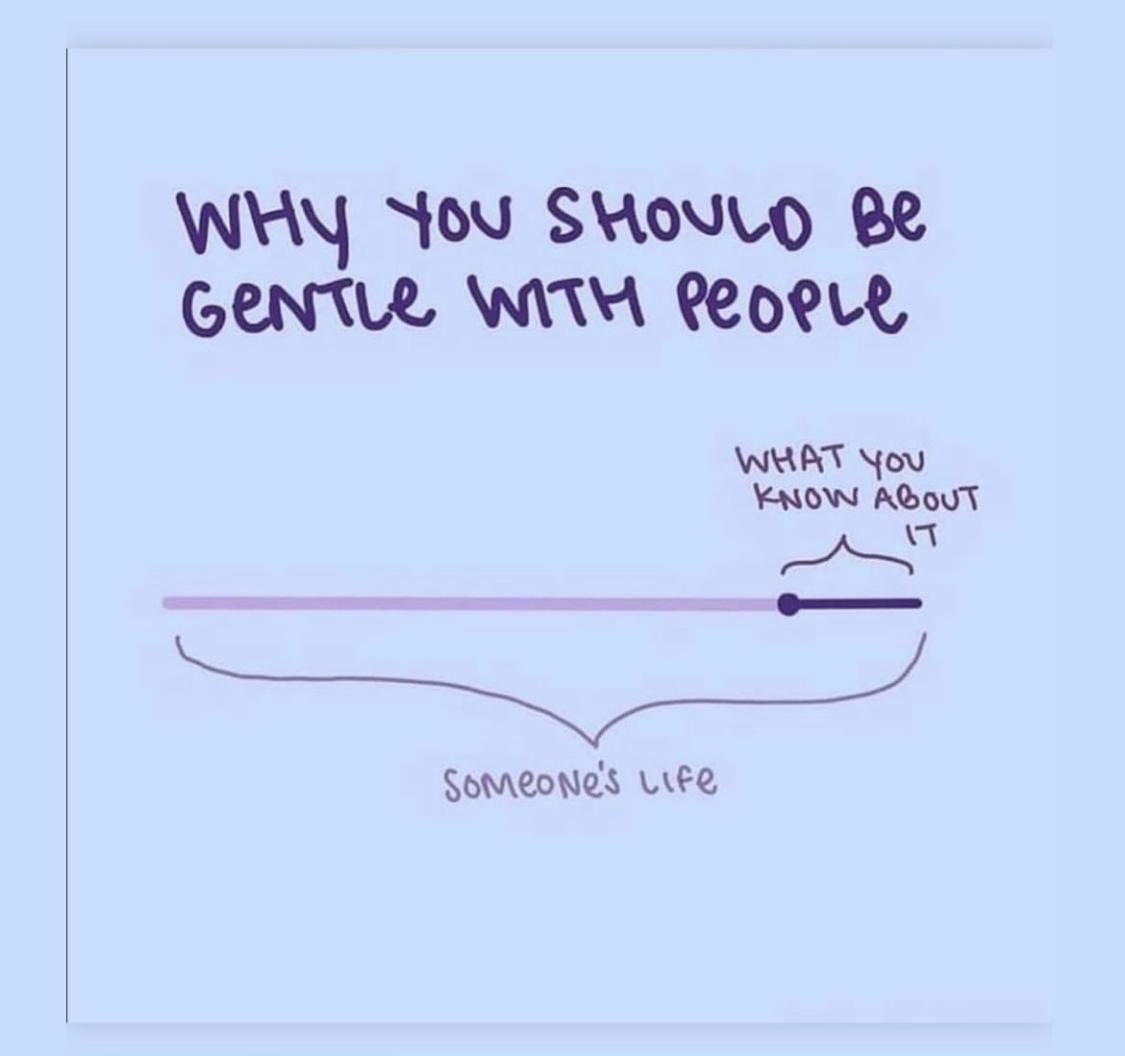
I always look forward to creating a piece for the Midland Area Cultural Awareness Coalition‘s annual Creativity Contest, displayed at one of the galleries teach through, Creative 360. The theme always provides a thought provoking prompt to inspire a piece I may not have come up with otherwise, and this year was no different: Our shared humanity unites us all. In the background of my piece are the words ‘All humans are resilient. All humans are valuable. All humans have a story. All humans are fascinating. All humans are worthy of love’. I chose to depict a scene of joyful female community, titled Sacred.
Growing up, without expounding into detail I was definitely one of those girls that struggled with female friendships. I found a few close friends that I am still close with today, but overall I just felt like I didn’t understand how to fit in at the girls’ table. My roommates in college ended up being a prevalent topic in therapy. Even when I started seriously dating as a young adult and I’d go to couples gatherings with my partner’s friend group, when eventually the bonfire was lit, the sun was setting, and the group started separating into gendered clusters I always hung out with all the boyfriends! This likely did not make me any more popular.
One of my favorite things about getting older, at least in my corner of the world, is the fact that at almost 40 it seems like all those picky little differences that we thought meant we couldn’t enjoy each other’s company when we were younger just don’t matter anymore. I’m unmarried and childfree by choice, and your major life goal is to get married and raise a family? Cool, when are we hanging out next? You enjoy the nightlife 7 days a week and I’m in my PJs by 11 with a book, awesome – let’s grab dinner and catch some live music. I have multiple good friends that are over 70. I have friends that are active in the alternative scene, and friends that read Amish romance novels. I have friends all over the spectrum as far as upbringing, spiritual beliefs, even friends whose parents were born in a different country. Growing up, I felt like relationships were so rigid, and I think they were more so to an extent. However, I also think I mentally built fences without meaning to. I assumed there was no point in building a relationship with certain people because once they got to know me they’d see how different I was from them and not like me anyway. What a waste these assumptions were. Learning rather than fear or defensiveness is such a feeling of freedom.
Dropping a song below from a magnificent band I was lucky enough to see live over the summer that seems at least loosely related.
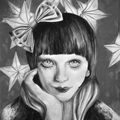
One of my most popular pieces from my “Unlimited” series has always been October: She Is Full Of Curiosity, and it sold the first time it was exhibited outside of the 12 part Art Prize installation. I have always been an avid reader myself, and via a book club suggestion earlier this year I read the book “The Woman They Could Not Silence” cover to cover within about a week. This book tells the story of Elizabeth Packard, the woman who in the 1860s changed the laws around involuntary institutionalization after she was unjustly committed for years for having religious differences from her clergyman husband (Interestingly enough, the way she looked at religion, faith, and a personal relationship with God is very similar to how we look at it today – Sometimes a belief being seen as “right” or “wrong” has much more to do with historical context and the current social conventions rather than actual morality. He also refused to openly condemn slavery which understandably, his devout wife had a huge problem with.). Amongst her list of accusations for why she was not sane such as a disdain for her husband and “monomania” was also excessive reading. This was apparently a common proof of a woman’s insanity in the 19th century, so honestly the Disney adaption of Beauty and the Beast wasn’t that far off when they had a whole song devoted to everyone in the village thinking Belle was weird because she was literate.
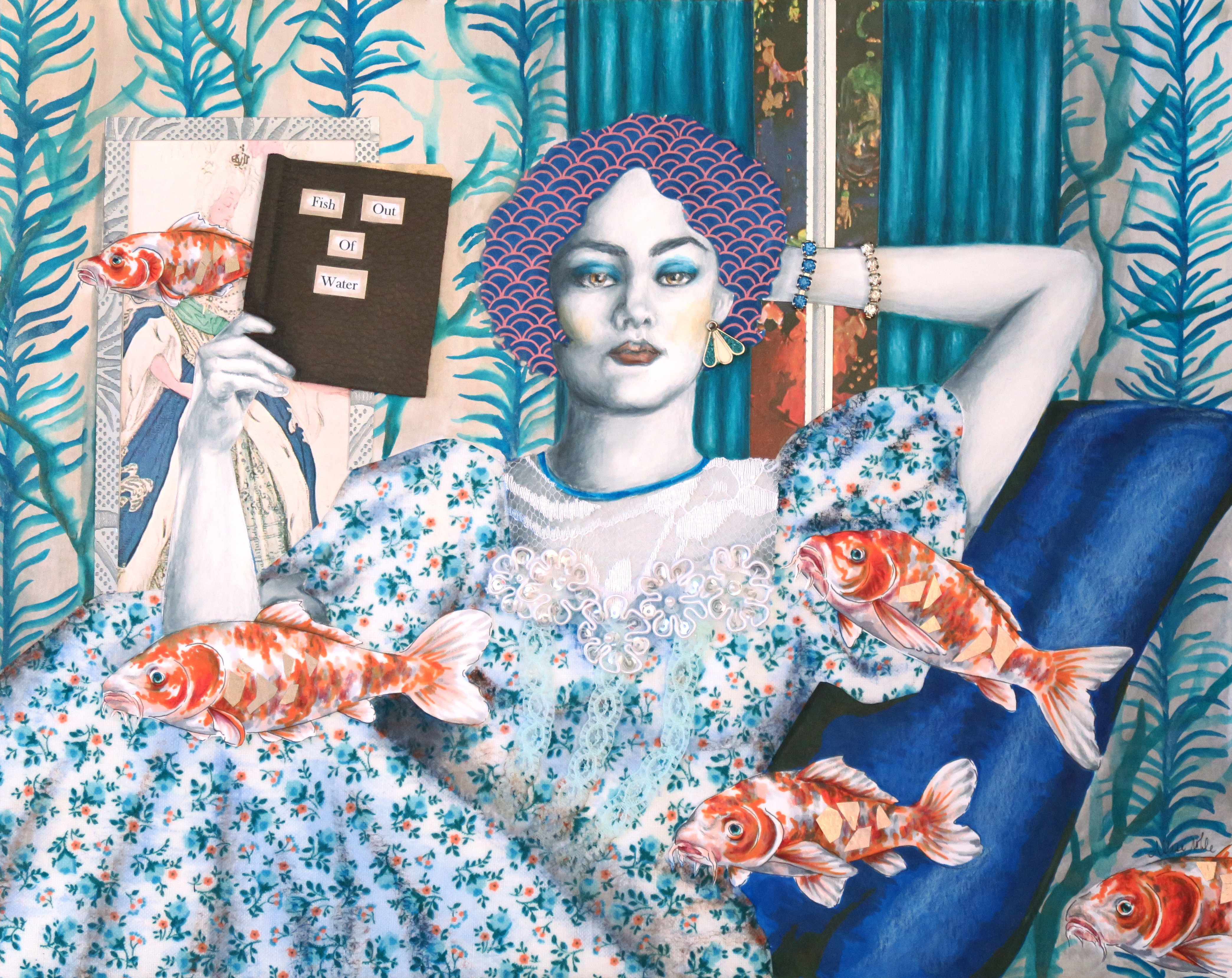
As a bibliophile myself since early childhood, I decided the perfect series of “smalls” would be a series of women with books. I have always loved working smaller, creating intimate pieces that people have to walk right up to. Recently, I have been giving myself more room to work with and enlarged my scale for art I am creating for exhibit, but I miss the satisfaction of being able to finish a piece in a couple of days. So, I figured why not work on some smaller pieces at the same time as my larger projects to break up the energy! Each ‘book title’ will inform what is going on around the figure. All figures will be drawn with colored pencil, with mixed media integrated into their clothing and environment like fabric, interesting illustrations from art books, metallic papers, and pieces of junk jewelry.
For this first piece, ‘Fish Out Of Water’, I wanted to play with the funny idiom of feeling out of place and out of one’s comfort zone, while depicting a woman who nevertheless appeared completely confident and dare I say a bit defiant. Is it she who is out of place in the environment, or the environment that is out of step with her?
This has been a theme I also visited in an earlier mixed media drawing, Titled “Actually, It Is This World That Is Too Small” featuring a claustrophobic giant figure sitting crouched at the top of a stairwell. Fun fact, this piece got removed from a show I did at a local restaurant back in the day because it apparently creeped people out! Oh well, subjectivity and all that. 10 years later, through practice I’m able to use collage around my drawings in a way that the depth is still not lost so I don’t end up with a flattened image.
“Actually, It Is This World That’s Too Small”, Mixed Media
Follow if you want to stay up to date as I continue adding to this fun new collection! I also share often on my facebook and instagram.
Lastly, if you have any book recommendations send them my way!
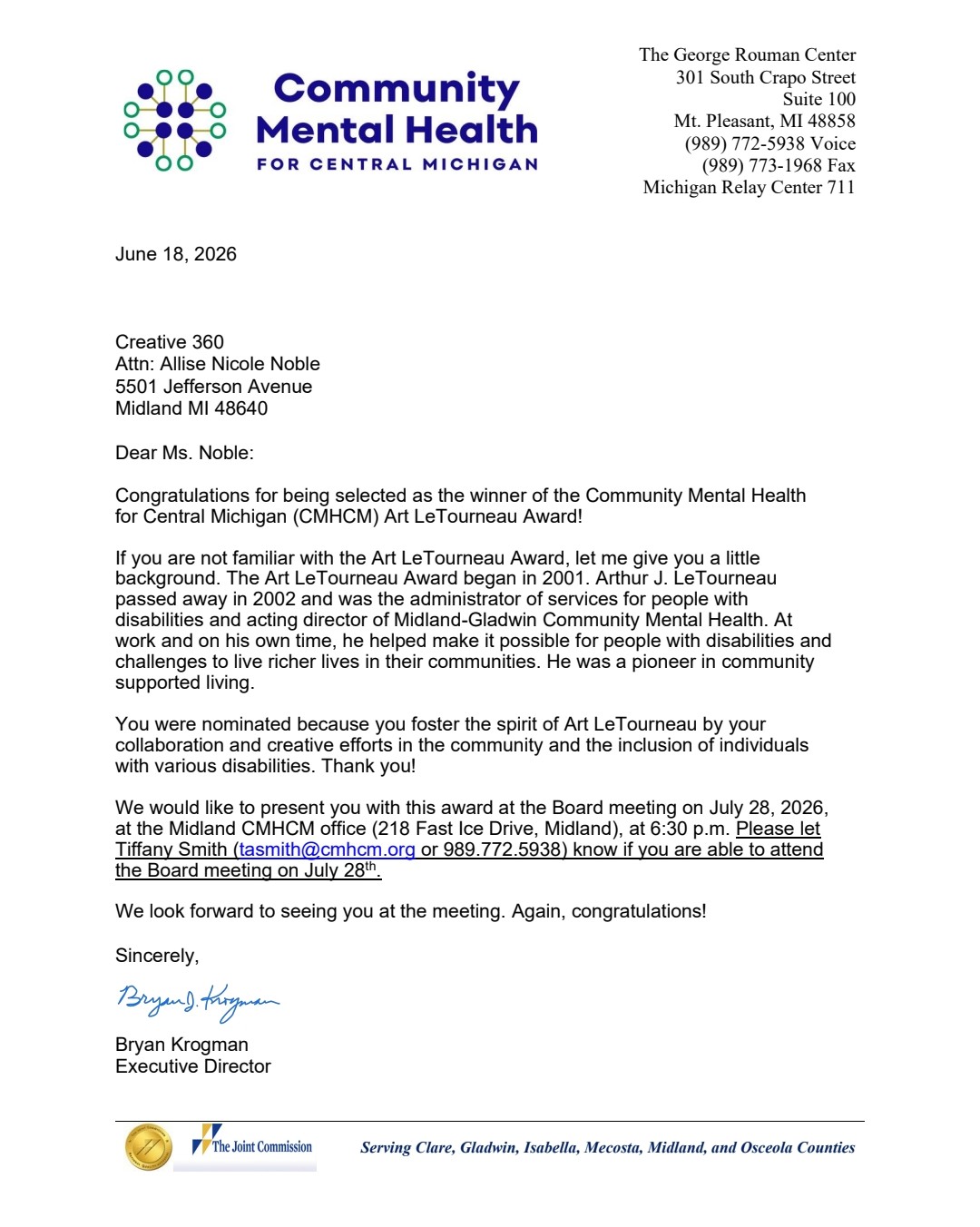
Working in the arts/non-profit sector as well as running your own business is a challenge, but amongst the hard parts there have been so many happy surprises. None has been quite so satisfying as the news I received end of last week, that I was being recognized for my creative work with disability inclusion. The timing is interesting as it lines up with an inclusion focused Art Talk I am scheduled to give this week at Studio 23, a local gallery and also comes at a time where guidelines for community inclusion are being shall we say “reinterpreted”, and unfortunately not for the positive.
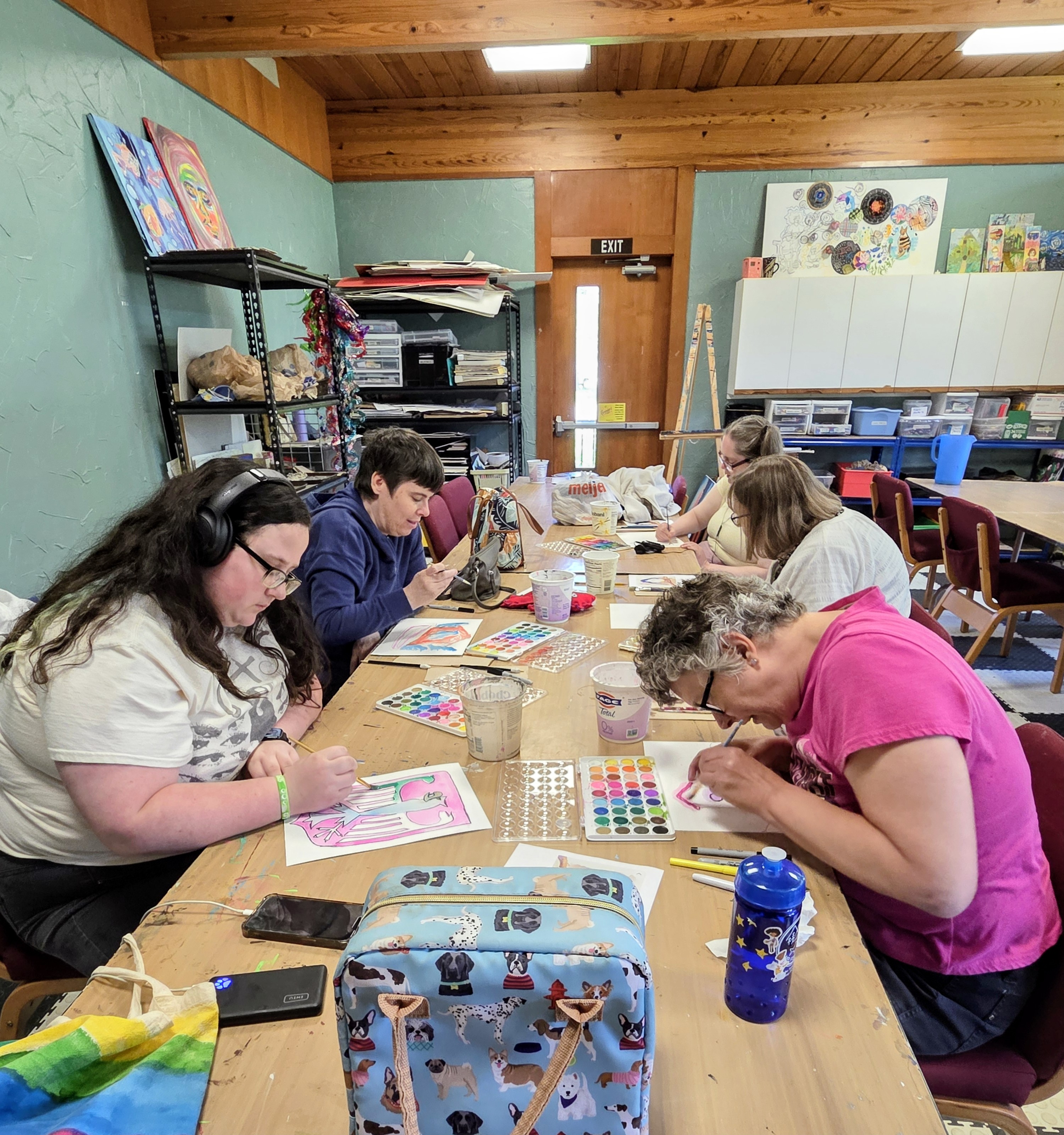
So, how did I come to lead an inclusive arts program with a special focus on serving adults with disabilities and mental health struggles for … 13 years now! Previously, I had never even made it to 12 months at any given job. It seems there were signs from the beginning that I’d come around to something like this one day. I started drawing when I was 2, and my mom even kept evidence. I had always been drawn to art, and as I became elementary aged I enjoyed school and envied my teachers for getting to stay in that environment even as grownups. I soon would be playing school at home, lining up my cabbage patch kids in little doll desks, creating fake worksheets, and my parents even got me a real gradebook (back when everything was still done on paper!) and blackboard. In 2nd grade, we had some kids from the special education classrooms join our classroom for the first half of the day, and one of the girls that I sat by on the swings during morning recess asked if I would meet her at lunch and sit next to her. So, that day I joined her at her table thinking nothing of it. After lunch, all the other kids in my class were asking me “Why did you sit at the (r-word) table today?” I was completely confused that I seem to have broken some special rule that I hadn’t known existed. Years later, this lady would still be in my hometown and funny enough would end up taking one of my painting classes! As I got older, I realized my feelings about being a public school teacher had been a bit idyllic, and didn’t see myself lasting long term. So, I went to school for art but with a major in interior design for practicality. I didn’t realize that interior design jobs where you are actually getting to focus on the “design” part are far and few between especially as a newbie. Most people and places know what they want (whether it looks good or not!) and were looking for someone to order materials and coordinate installment. After a parade of ill fitting jobs, I got an email from the local art guild I was a part of that a local arts center was looking for teachers for a new program that had moved to their location – no experience necessary. I started with Artshop at Creative 360 as a class assistant, then teacher, then program lead in a short amount of time. I had found my place. The program had growing pains, and morphed and changed and restructured many times as programs depending on grants and community support often will. Today, I still work with some students that started with me over 10 years ago. I also go to public schools once a year to do special visual arts programs through Michigan Arts Access. I teach classes of all levels now all over the area within a 45 minute vicinity, but what got me into teaching was working with students with disabilities.
My focus in any of my inclusive classes is helping students create high quality fine art in a way that works for them. We learn about other accomplished artists with disabilities (You can view posts about all of my Creative Minds projects from the archives for examples of these lessons), and we learn that many artists from the past and present got help finishing their projects and had teams of assistants, so help is ok!
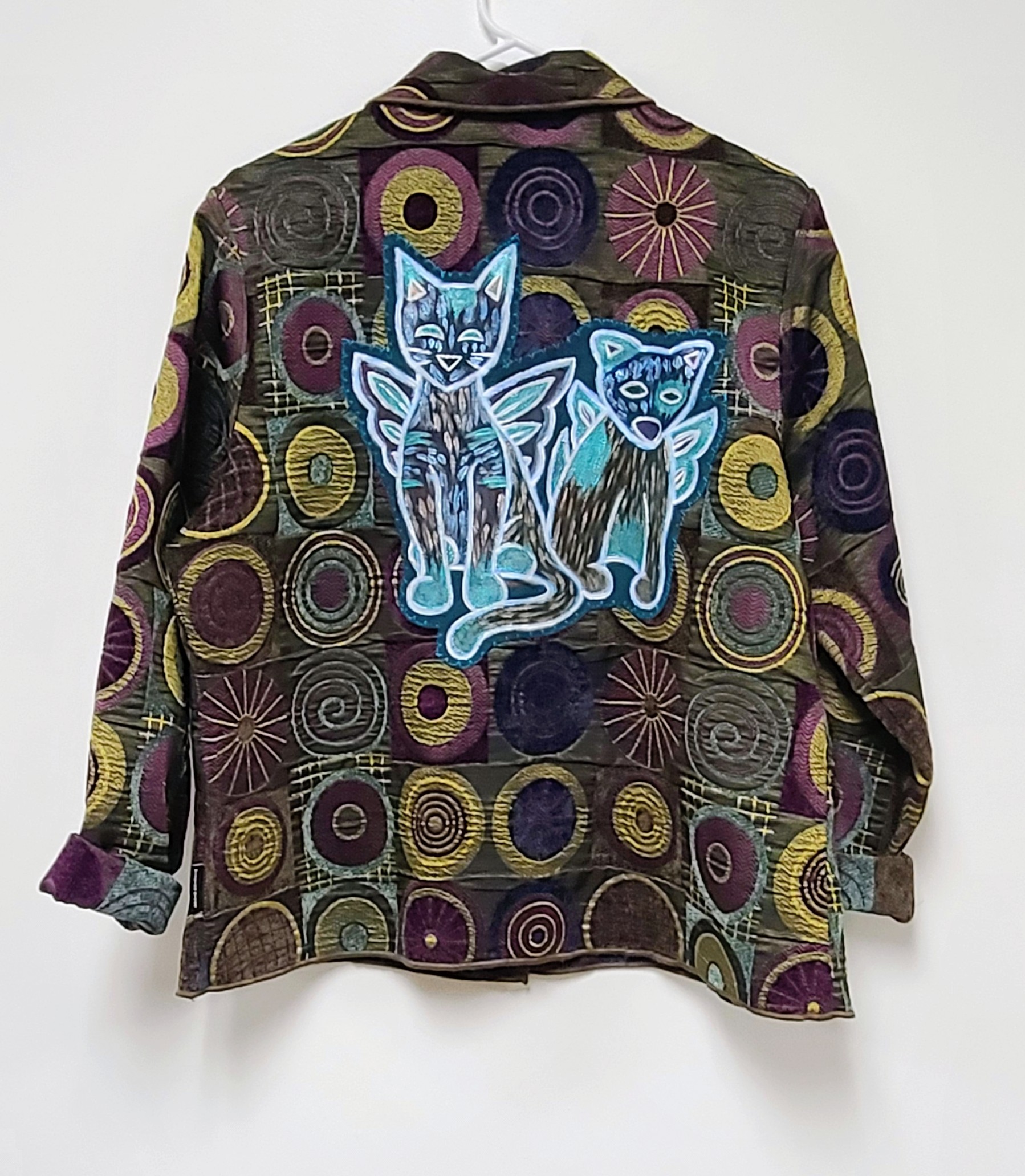
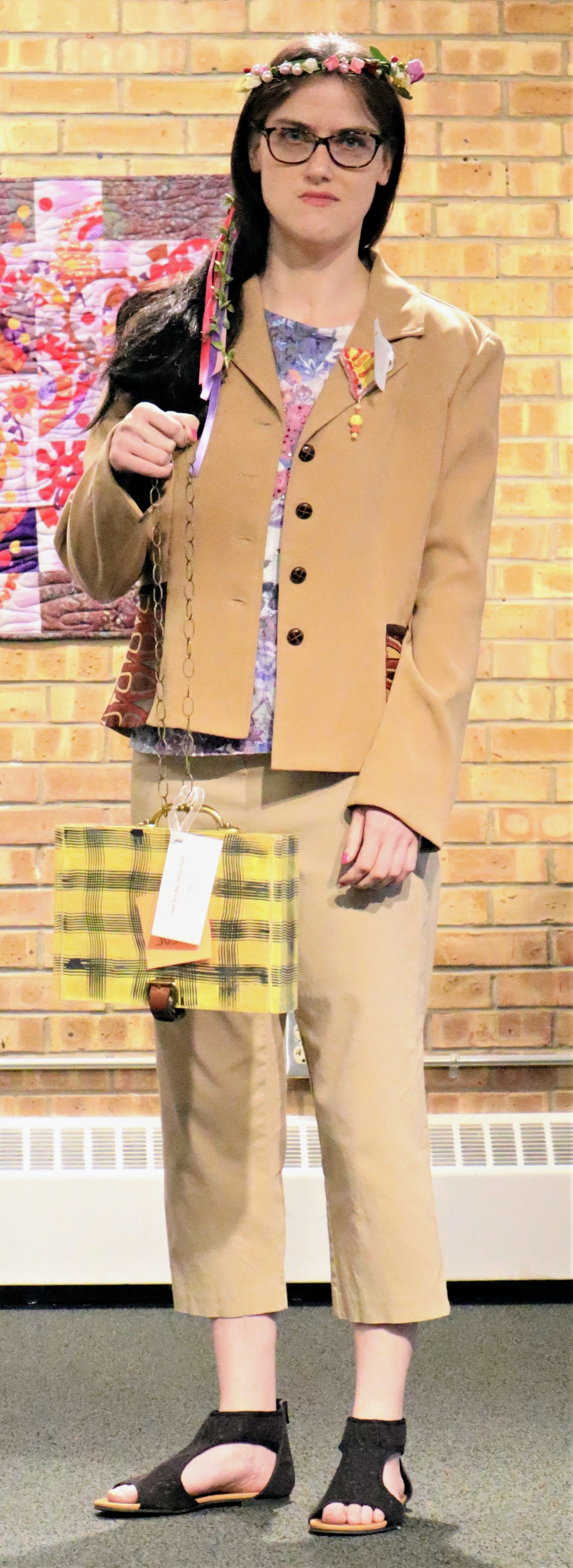
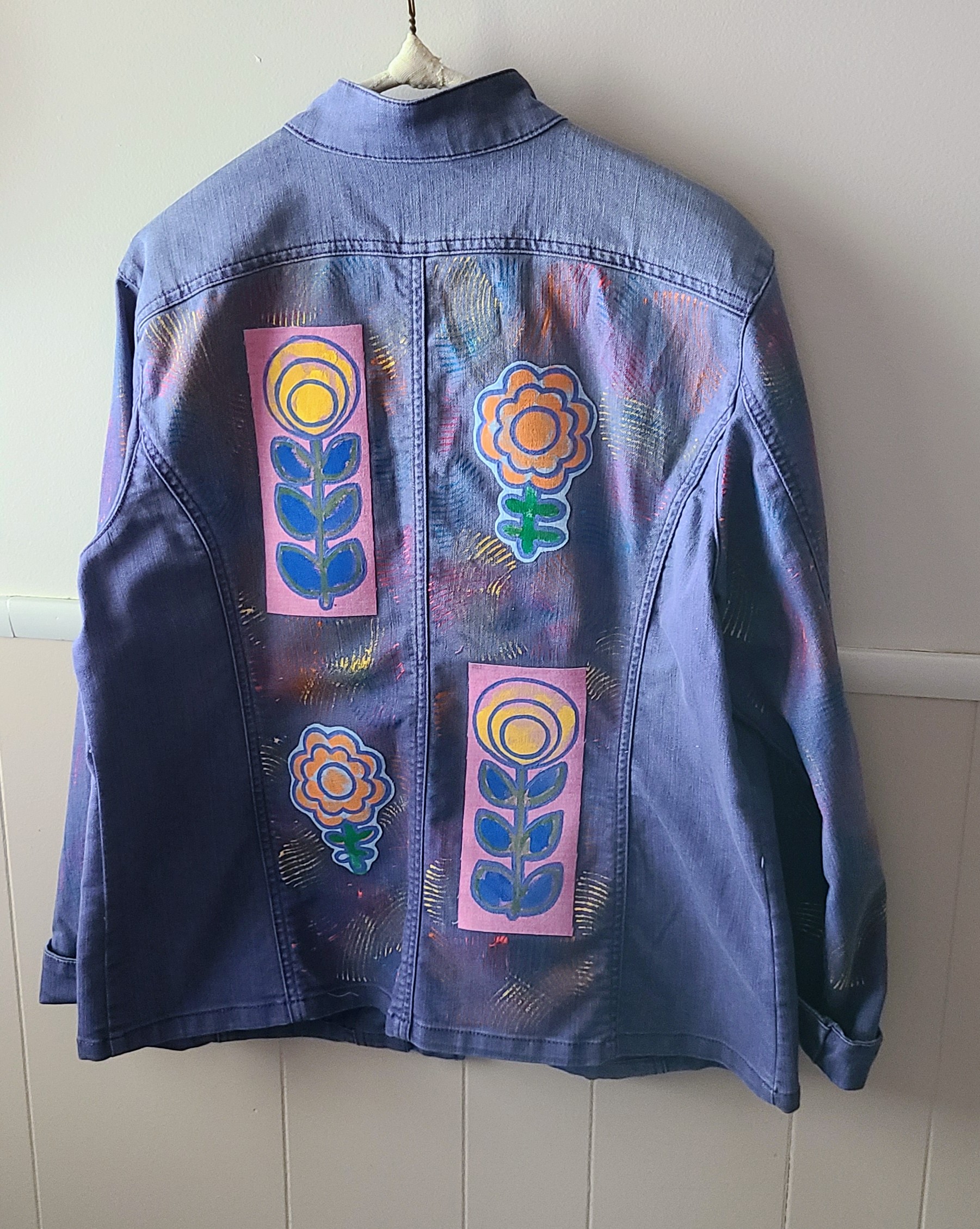
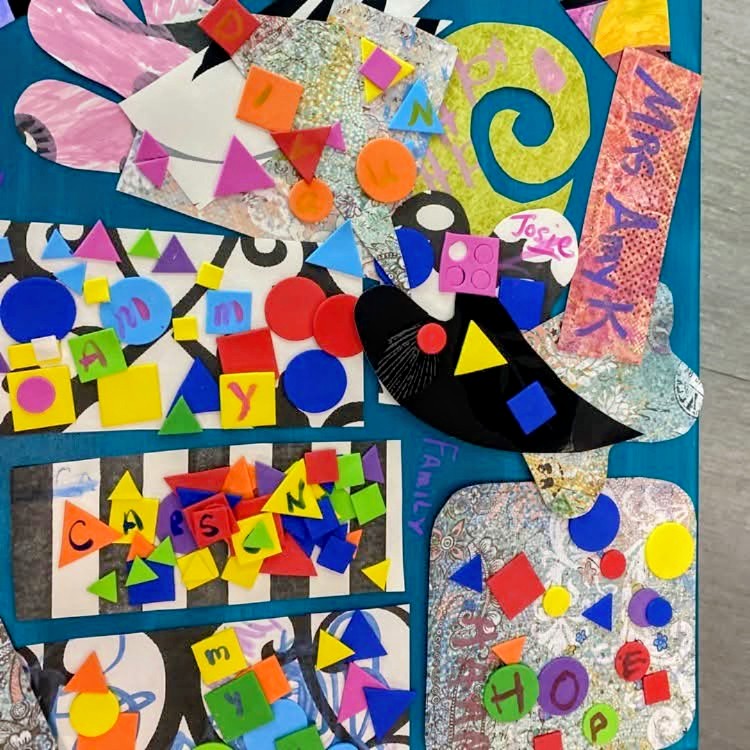
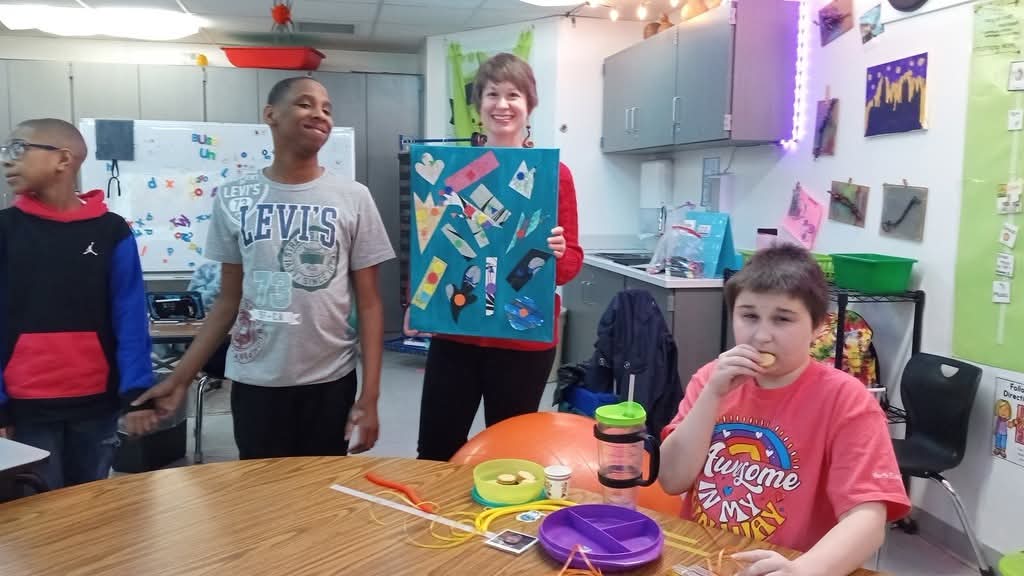
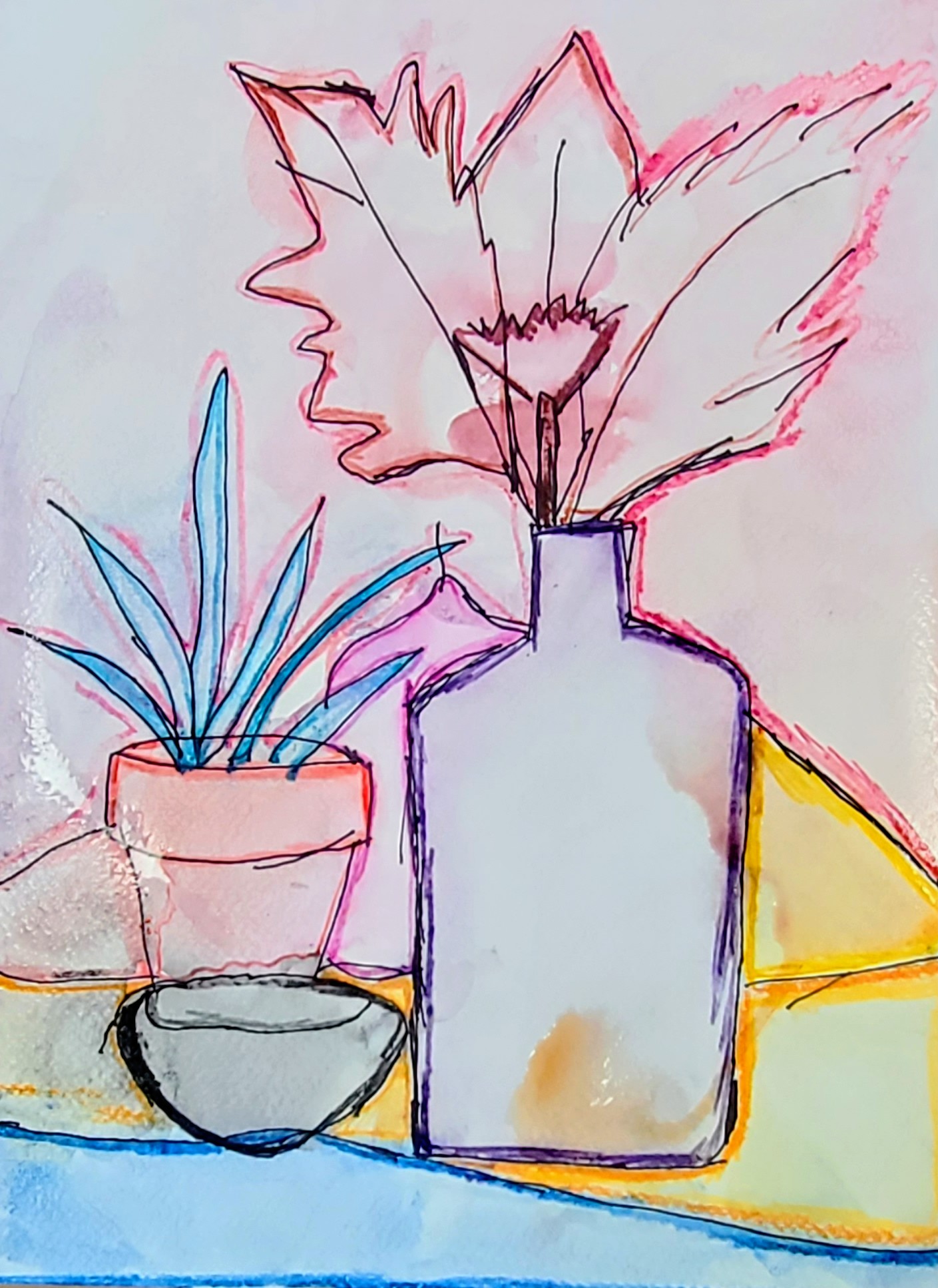
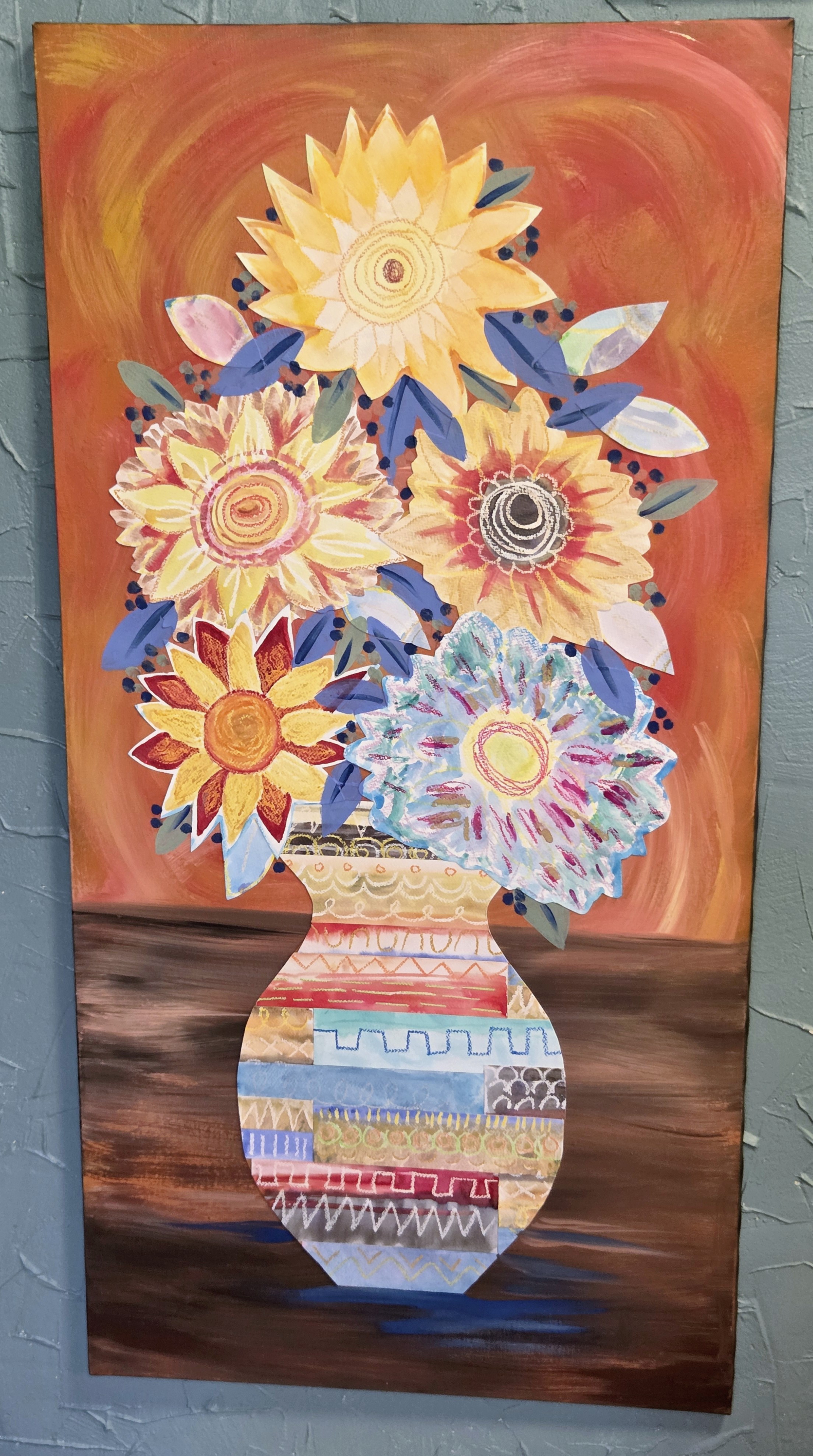
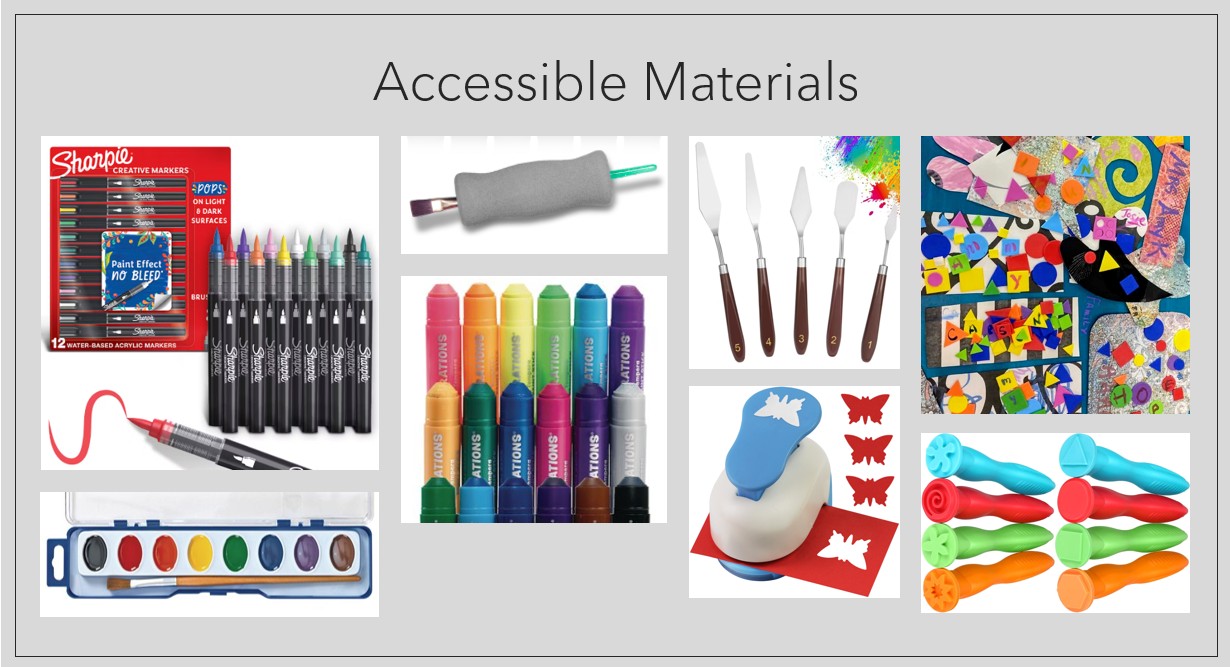
There are so many great tools for those that struggle with dexterity or sensing pressure with their hands, and mixed media art especially is a fantastic medium because it allows students to use whatever materials work best for them for each part of the project with no limitations: this includes using collage elements for things that may be hard for them to draw. Wearable art has also been a fun endeavor, and 5 years ago we even had an Arthop fashion show! Stencils and fabric collage are great ways to allow those who may not be expert painters to still come up with something amazing. I also have students do abstract painting on fabric, which I then cut up and sewed to jackets in panels. I am currently in the middle of another wearable art endeavor with a local youth program, so be sure to follow for more news and of course fun photos soon! Please view the slideshow above for examples of some pretty amazing student artwork from over the years.
Art creation eases anxiety and tension, provides opportunities for community and friendship, connects people from all walks of life, and even helps improve fine motor skills. It is a practice that has so many benefits for anyone and everyone, and I am so happy to make my life’s work making art accessible to everyone in our community. Art is for everyone!
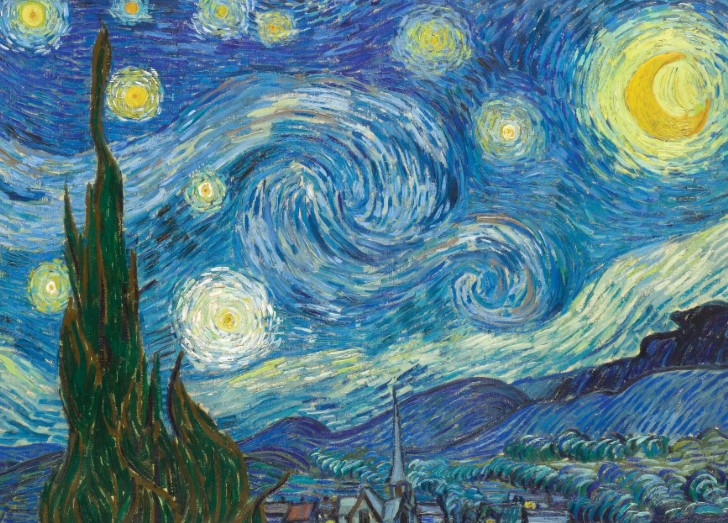
I’m often asked who my biggest influences in the art world are, and who MY favorite artists are as an artist myself. The earliest piece of historical art I remember being drawn to is Starry Night by Vincent Van Gogh. A representation of this piece was printed on the windows of my elementary school’s library. I also have a vivid memory of looking at large posters of his work during “Picture Parent” day in 2nd or 3rd grade, where parents of kids in class would volunteer to give a little art history lesson once a month. We talked about his time painting in France, and got to eat Brie cheese because, France. I think the snack helped make it particularly memorable.
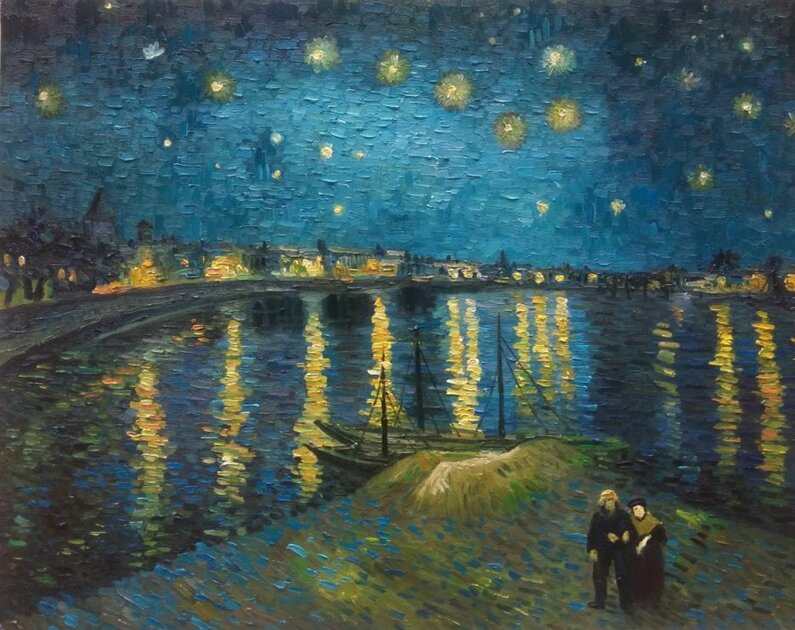
As I got older, I became more interested in meticulously detailed, mechanically tight artwork rather than impressionism, but I could still be grabbed by Van Gogh’s unusual use of color and pattern. To this day, I myself tend to use non-typical colors that are a bit off, but in a good way (or so it has been described by others). Many say Van Gogh’s art is only interesting because of his story, and that may be true but I think that’s ok because artists’ stories inevitably end up woven into their art. They cannot be separated. Reading his letters to his brother and his thoughts on faith, art, friendship, and the world surrounding all while struggling with various (back then untreatable) disabilities have certainly added to my appreciation of his art as I’ve grown older. Reportedly, there is a story where Van Gogh was talking to a clergy (He was quite religious and considered going into ministry, but his unpredictable temperament was a barrier.). The clergy asked, “How can you say God gave you the spiritual gift of art, when well … your paintings aren’t very good? Maybe you should try something else.” Van Gogh replied, “Maybe I’m painting for people who aren’t born yet?” Artists follow our path, even when it doesn’t look like it makes sense. As someone who feels a deep sense of purpose in what I do including my teaching, this resonates.
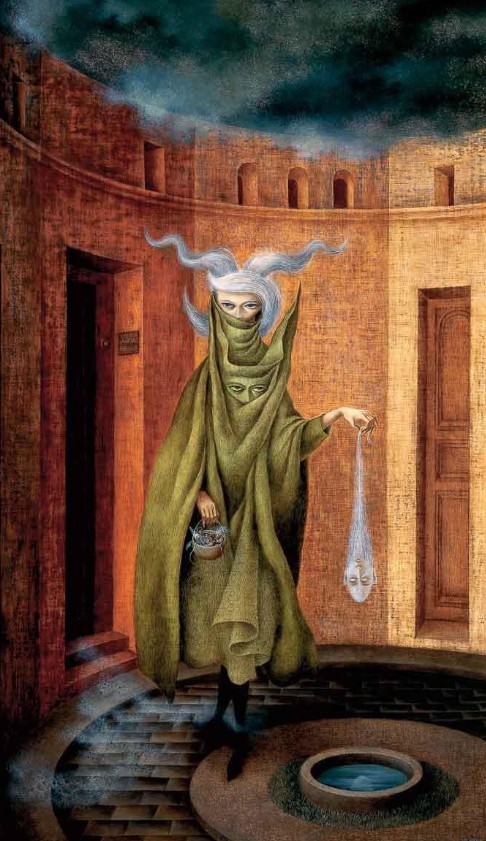
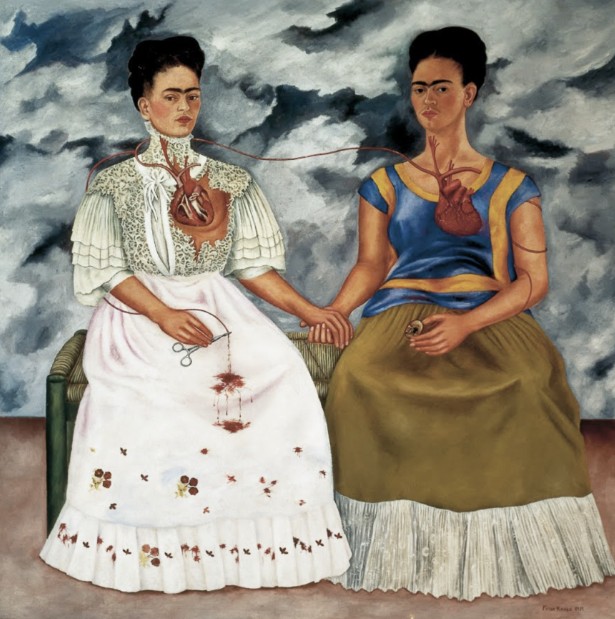
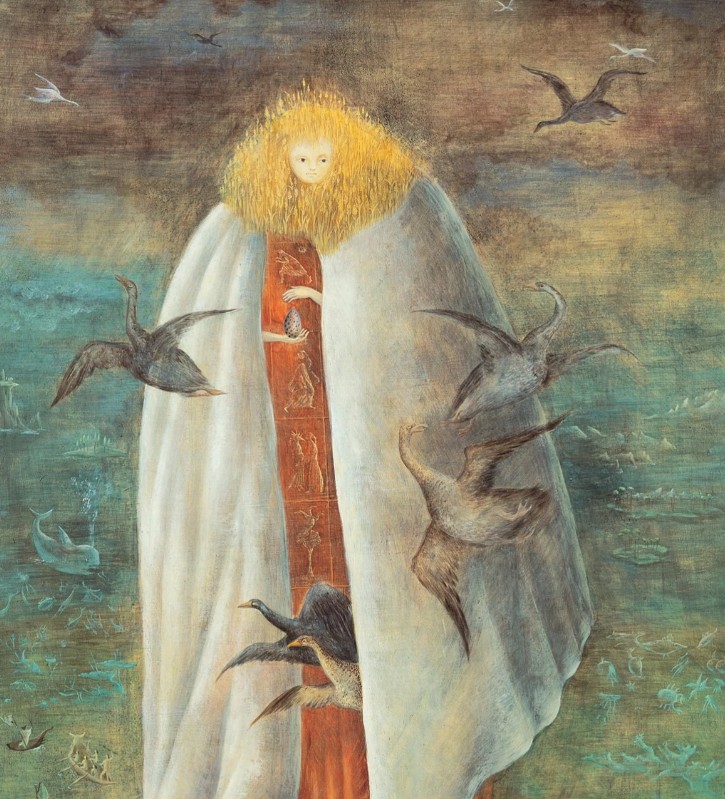
The surreal work of women like Frida Kahlo, Leonora Carrington, and Remedios Varo are more favorites from history. I describe most of the work I do as “surreal portraiture”.
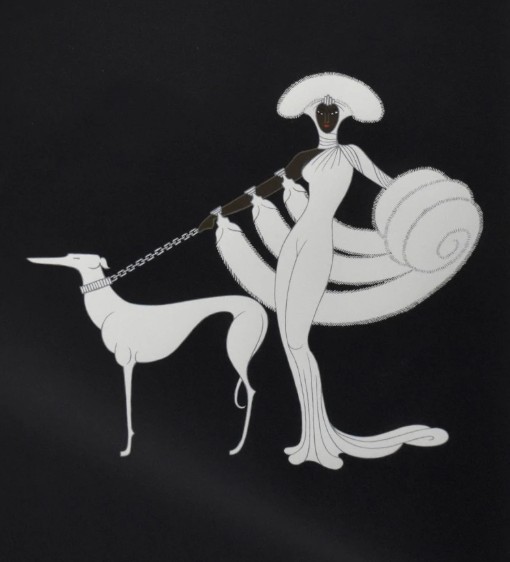
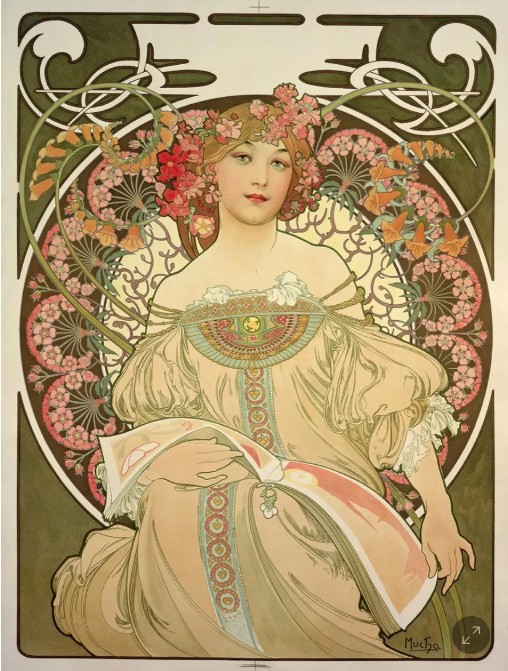
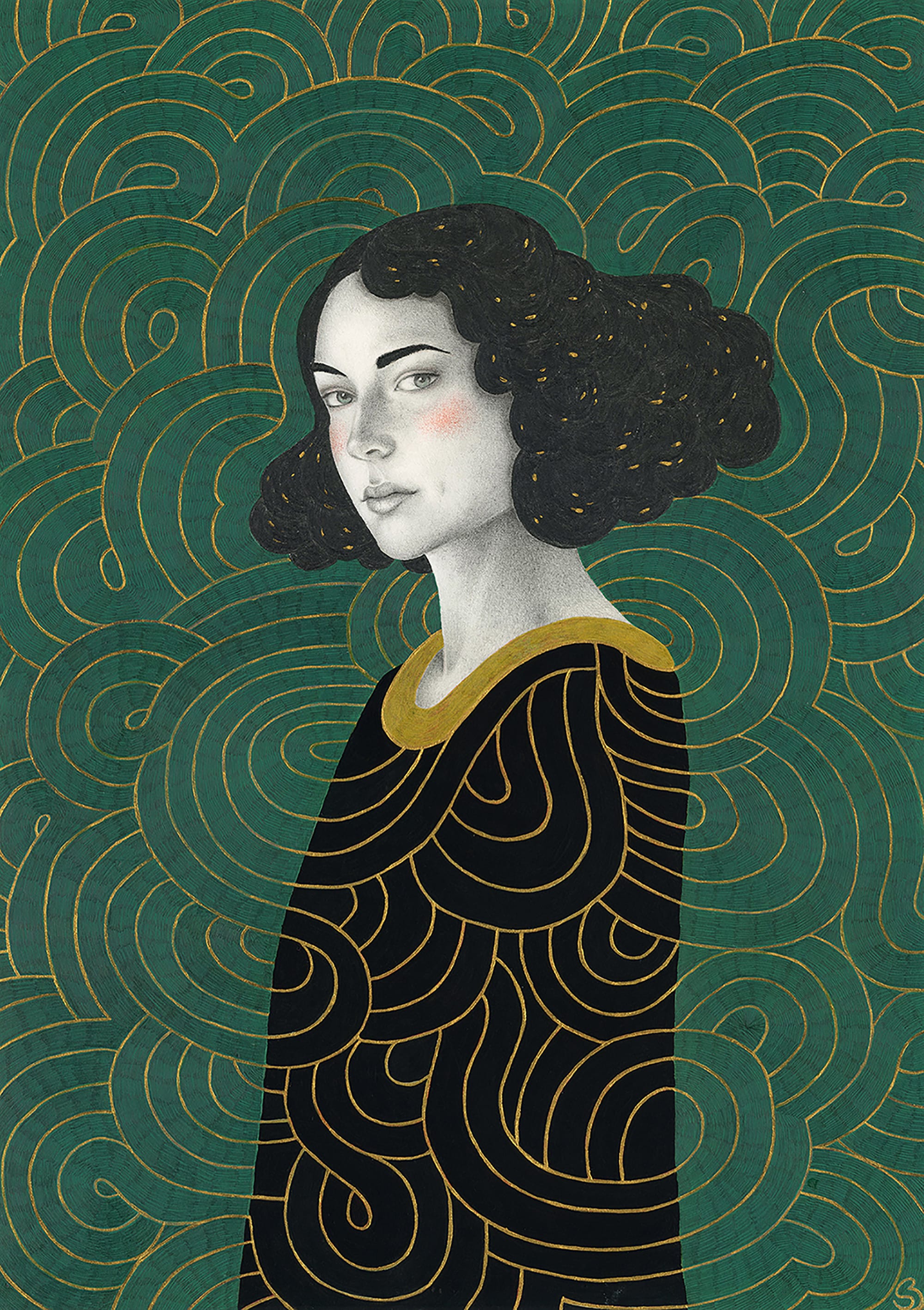
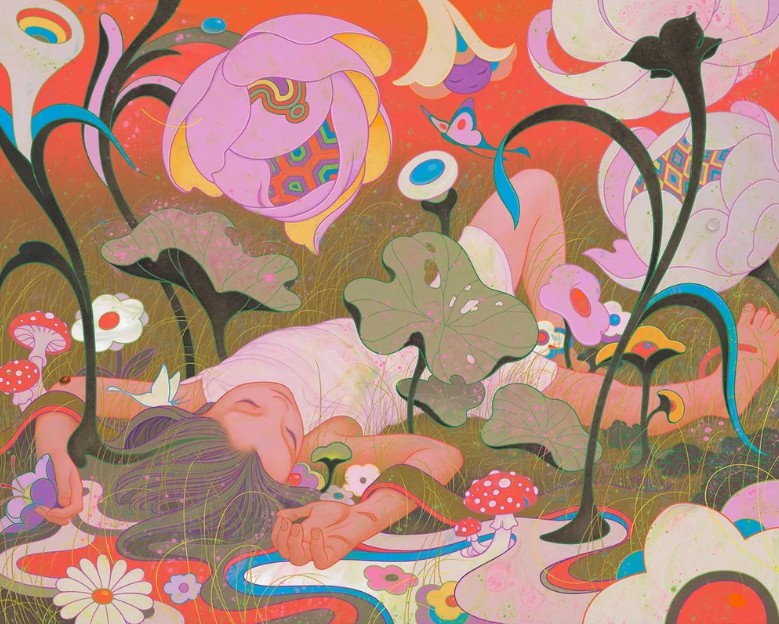
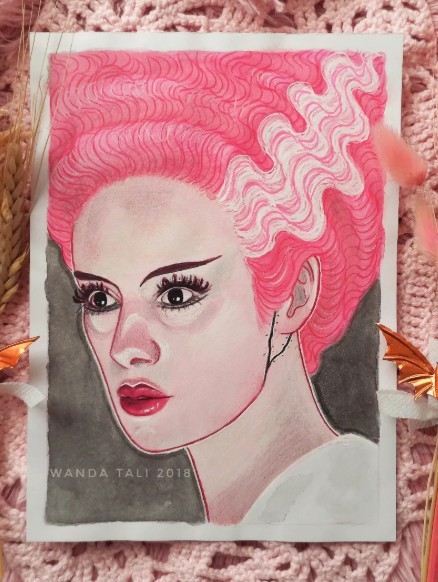
Modern day favorite artists are so many, especially with easy access to images on demand: Sofia Bonati, James Jean, Bao Pham, Wanda Tali to name a few… Art involving people and faces is always what stands out to me first, ever since I discovered Mucha and Erte from looking through art calendars in Barnes and Noble as a teen, my go to hangout spot in a town without much to do back then.
All of these artists’ work makes me feel excited and energized, but I think even more so than other artists are influences, I am influenced by snippets of individual images. I have always had a great memory for imagery, and tend to notice and fixate on interesting shapes, colors, and patterns nestled in my surroundings. I have been ‘screenshotting’ images mentally long before smartphones, and waiting for the perfect moment to retrieve that specific pattern on my mom’s old tin recipe box that she let me play with in my pretend kitchen as a toddler, the warm color scheme of polka dots on my Great Grandpa’s Mid Century Modern juice glasses he’d use to bring us Orange-Pineapple-Banana juice and Donettes when we visited, the crazy wallpaper I once saw at a friend’s house, the interesting tree I passed in someone’s yard while on a walk … All of this ends up in an internal slideshow gallery, a collection of beautiful and interesting things. This appreciation for visuals is partially innate I think, but probably also comes from my parents who in their own way also have an appreciation for beautiful and interesting things. Both love antiques. My dad is a collector, and he would always share interesting rocks, shells, and marbles with me from his treasures growing up. My mom, an avid gardener, would get excited about showing me interesting bugs, and I had all the most premium “insect hotels” to catch and observe them before releasing them back into the wild.
Inspiration comes from everywhere, and sometimes I wonder how a person can be alive and not be constantly inspired.
If you are reading this and have any questions for me as an artist, shoot them my way and I’ll turn your answer into a post, too!
Even though I’m no longer a frequent Instagram user, I still enjoy assembling my end of the year “Top 9” photo collages because if nothing else it is fun to look back on a year in pictures, one for life and one for art. This year, I found I didn’t have nearly as many photos to comb through because I had hardly taken any, aside from a lot of ebay inventory snapshots. This year was exciting and fulfilling professionally, but I’ll be honest it was tough, and I didn’t find myself with much energy reserve to enjoy the milestones. Flying by the seat of my pants, I guess there also just wasn’t ample time to capture the ride along the way.
I have always been a bit extra-fascinated with personal photos. Back before digital and before everyone shared their photos online, sometimes you’d visit a friend or relative and they’d ask if you wanted to see their vacation pictures, snapshots from their birthday, etc. (aging myself here). A stack of newly developed photos or an album would be passed, the owner offering a verbal commentary along the way. In some this would elicit internal groans, but as a kid I was always happy to be a captive audience because I just loved looking at photos, anyone’s photos at all. Remember, I’m talking about pre-daily internet access. Looking at photos of different people and environments than what I was used to allowed me to soak in more visual details to use in drawings (and yes, even as a kid bits and pieces of these visual stories would end up in my marker sketches.). I distinctly remember that I wouldn’t just look at the main focus of a photo, but would scan the entire image methodically, taking note of what objects were sitting on the counter way in the background, what pattern was engraved on the button on one of the figure’s shirts, what type of knick-knacks were sitting on the corner shelf, just blurred out of focus. To me, these were important clues to the rest of the story, more so than the expressions on people’s faces.
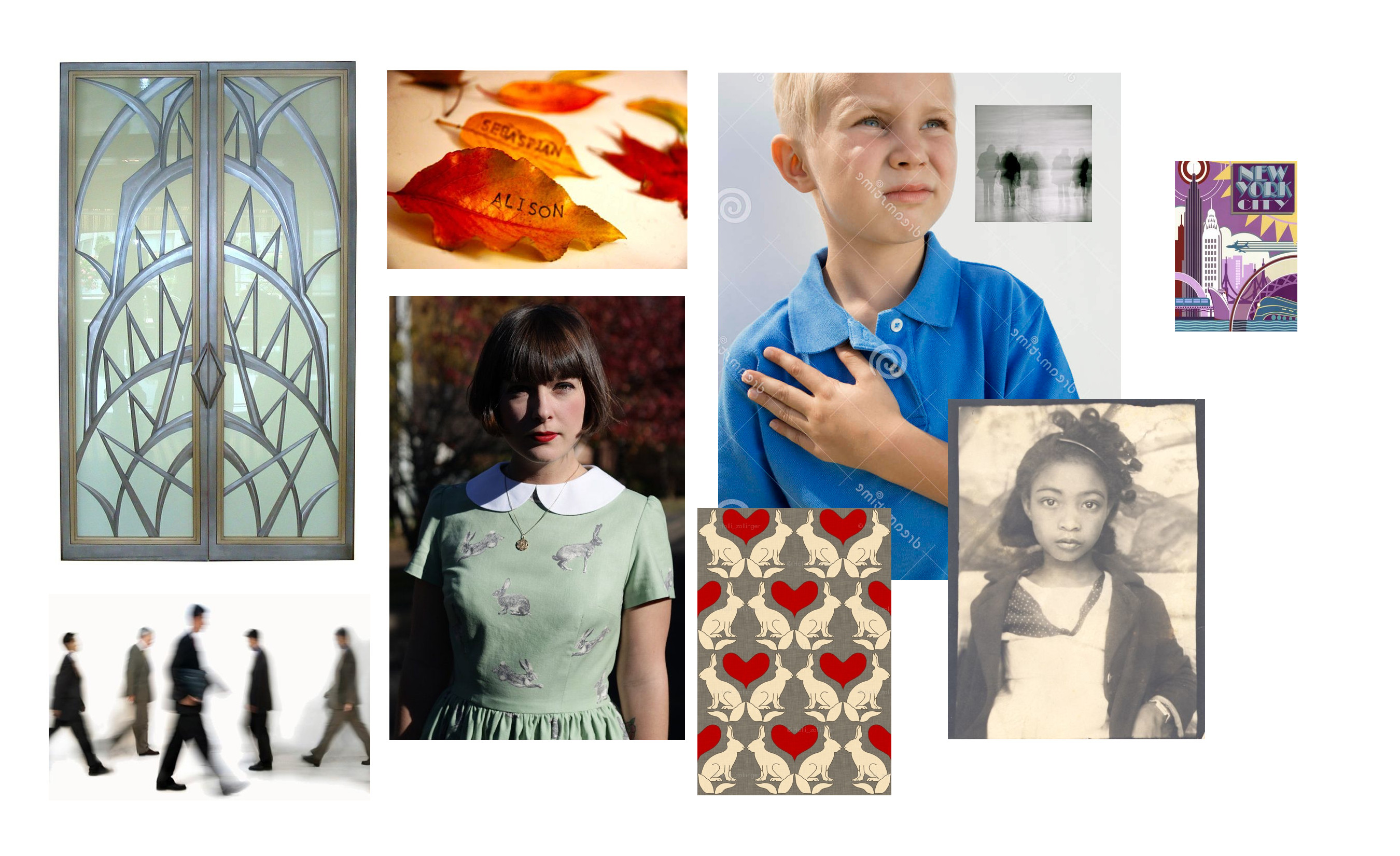
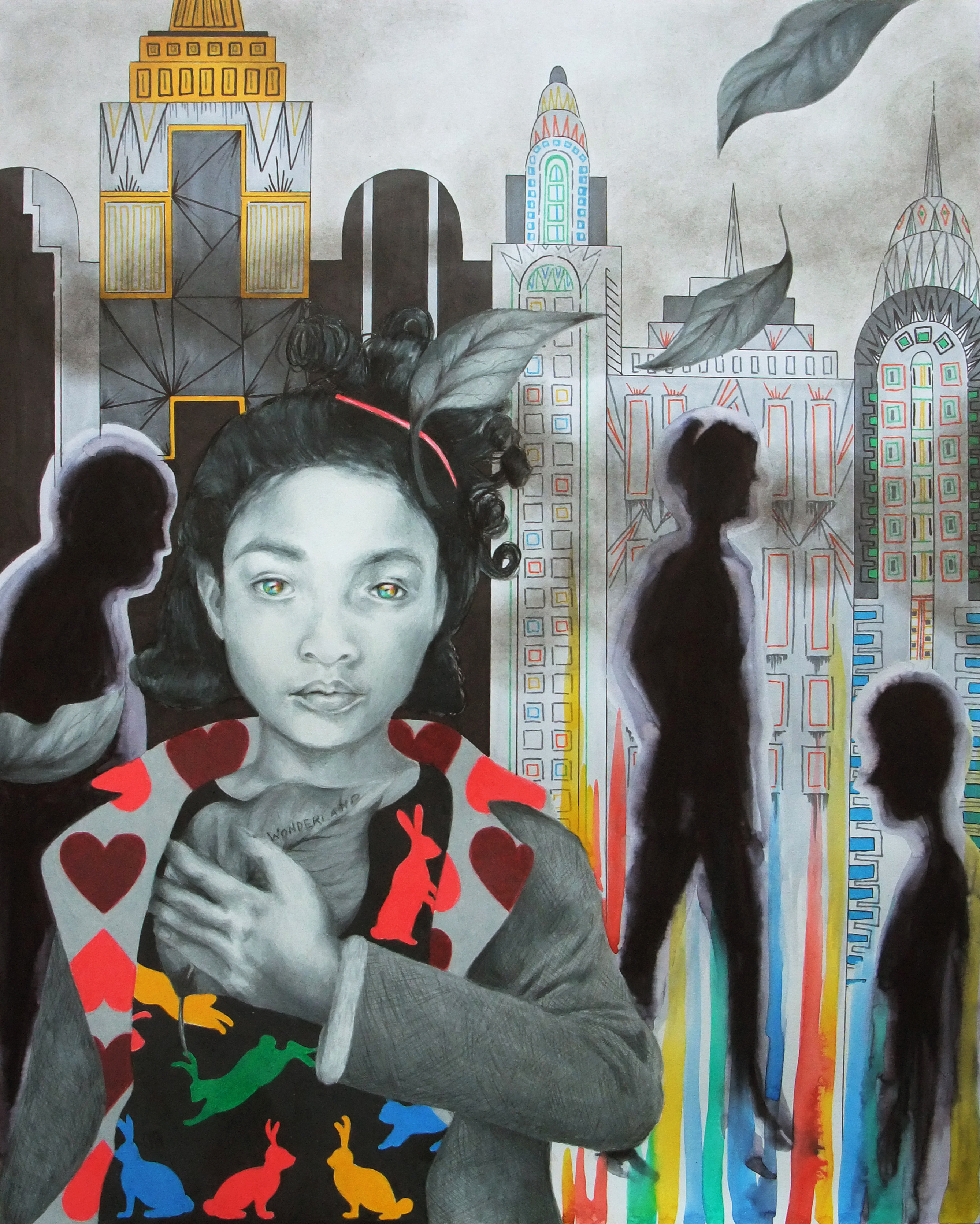
I still use that philosophy, that it is the small, overlooked details that reinforce a feeling and a story, in my art today. I am forever both physically and in memory collecting images to combine together to weave a story – a captivating fabric print here, an interesting nose there …
19×24″ Prismacolor Pencil and Ink
In a year as harried and chaotic as this one just passed, maybe what we choose to stop and capture says something about our story as well.
I’m an avid reader, and I used to keep a journal where I’d record favorite quotes from books, sometimes stopping every couple paragraphs to record something! When art journaling became a big new thing almost a decade ago, I started turning some of these quotes into visual journal pages as demonstrations for my art classes. I hadn’t done something like this in a very long time, but while reading ‘Census’ by Jesse Ball earlier this year, there was a phrase that really stood out to me and I decided to turn it into a small piece of art to hang on my bulletin board in my home office. I started with a light pencil sketch, then used watercolor pencils. Once that dried, I chose areas to highlight with stenciling and metallic acrylic. Last, I added details and the quote itself with paint markers. Lately I’ve been very into layering patterns into my art with stencils, and love how they can take a sketch or watercolor painting that is quite simple and basic up a level and add new dimension and meaning.
I hope you enjoy the demo. In case your auditory processing is iffy as mine can sometimes be and you prefer to read, here is the transcript for my description of why this quote stood out to me as much as it did. (One of these days I’m going to have to figure out adding captions on youtube! Definite 2026 goal!)
‘The Census by Jesse Ball is a surreal take on a wacky census taking journey in an alternate version of the US, where a dad travels on said journey with his adult son with down syndrome. This choice was made in honor of the author’s brother with down syndrome who unfortunately passed young. It’s a great book anyway, but this thought the main character has while meeting someone wearing a bunch of rings and pins of the different groups they belong to stopped me in my tracks.
“I have always despised people who join societies. In general, I feel that groups of any kind are for the weak. The need for consensus is the most disgusting and pathetic aspect of our human world. Is there none who can simply wander alone beneath a sort of cloth tent painted with dreams?”
Yes, it’s harsh, but I don’t think this paragraph is saying community in general is bad. As one who has never been a joiner and experienced some angst over that fact, that last line awakened a sort of bubbling-over joy in my spirit. I was never part of one core friend group, rather on the periphery of several groups growing up. I had many intense interests, but never wanted to join any clubs. Even as an adult, I have been part of a few art groups but at times get easily frustrated with the politics and drama and end up quitting (all the ones I’m thinking of have already disbanded, so none currently in action haha!). I thought about joining a local hiking group, but then realized what I love about hiking is being alone and quiet in nature. I attend church but have never become a member, and though I definitely lean a certain way and am known as being quite opinionated, I will never affiliate myself with a specific political party. I like a person or group or entity until they do something I don’t agree with, and then I don’t like them anymore – simple as that (though this doesn’t seem to be very simple for many others!) I have several fantasy authors whose books I’ve tossed in the garbage even though I still like the stories because of their repugnant behavior as human beings. I don’t separate the art from the artist. People tend to seek belonging in ways that I just don’t relate to. Our society tells us to band together in pride about all sorts of ridiculous things … Pride in the location where the great cosmic lottery dropped you at the time of your birth, pride in what high school you went to which again is just the random luck of your location, pride that we have x amount of money or status without acknowledging any starting advantages that got us there or acknowledging how quickly our situation could change, pride that x # of people agree with us whether what we said was accurate or not … People offer blind loyalty and abandon their principles to fit where they think they should be. They refuse to change their mind no matter how far off the rails something goes, not wanting to grow and change lest they lose their “group”. I think I’ll stay under my tent of dreams, and remember to be content with that place. I’ll try also to always remember to leave it wide open for other tired journeyers to join me, not because we are the same but because I choose to love them for exactly who they are right now. It’s not an easy choice and I’m not always good at it, but I think it’s the best one.
It’s been a tough year in the United States for the word “diversity”, with a mass confusion of what DEI (Diversity, Equity, Inclusion) is versus what affirmative action is resulting in unfortunate fallout, particularly for individuals with disabilities (See video below … who says autistic folks can’t be sarcastic/humorous when the need arises? You know what Oscar Wilde said, ‘If you want to tell the truth, make them laugh otherwise they’ll kill you.). Michigan Arts Access, a program I have worked with as a resident artist that provides arts education in special education classrooms, lost major funding sources for next year because their work falls under the “DEI” umbrella by including students with disabilities in elective opportunities that many other traditional students automatically receive. Unfortunately, this means their services probably won’t happen next year in less wealthy communities like mine. There was a general souring in public opinion towards the word DEI despite most people actually agreeing with the principles and practices of Diversity, Equity, and Inclusion when asked without using the acronym itself, according to research. If anything, this reveals how muddled understanding has gotten as we have access to more information than we’ve ever been expected to handle all at once, but that’s a conversation for another day.
The thing is, while equity and inclusion are sadly optional, in America we’re stuck with diversity whether we like it or not. This may seem too obvious to need reminding, but America is unique because everyone who lives here at one point came from somewhere else, and who has been here longer may at times be surprising (i.e. my Mexican partner’s family settled in Texas long before my ancestors came here from Italy, England, Hungary.).
Diversity is built into all of creation. The differences in plants, animals, and insects both visually and in how they function serve a purpose. Similarly, our different backgrounds, cultures, genders, and brains all bring something distinct to the table, and our society runs better when all are included and their gifts nurtured. Imagine what would happen if you had a vegetable garden, but decided tomatoes were your favorite so you’re only going to water those and just let the rain take care of the rest. Rain helps, but it’s not enough, and eventually the other plants would die, and you’d get pretty tired of only eating tomatoes every day. (Apparently I’m really into garden metaphors when it comes to people – see last year’s mural.)
We can’t marvel at the vast variety in a field of flowers or all the different patterns on the wings of butterflies, and at the same time be angry about differences in the people around us. We can’t become excited about the literal tour around the world we can take in almost any given city when picking a restaurant, but be upset that we have neighbors who came from the culture where those recipes originated.
It may feel like diversity is ‘canceled’, but the very notion is ridiculous. I am in no way trying to downplay the significance of words and policies that communicate that certain people don’t deserve basic needs, education opportunities, or respect. However, individuals, and I daresay especially creatives, still have a choice. This new piece was recently created for an upcoming Fall show with the theme “Diversity Is Beauty And Strength”. I’ve also been working on a series of fantasy themed family portraits from a client who reached out to me from my ebay shop. She noted that she saw my series of cute angels/fairies and mermaids and noticed that I offered a bunch of different skin tone choices. She shared that her family is mixed race, and it’s difficult to find fantasy art that looks like them. Thus, one of the most fun commissions I’ve ever done was born. I enjoyed getting to know my subjects from afar through an exchange of personal stories, and channeling their joys, struggles, and dreams into these keepsakes. More still to come!
This year has been hitting creators hard, but art is communication and we creative people are in a unique position to pivot the cultural conversation. How do you think diversity enhances the way you experience your daily life and community?
In between 3 murals this summer, I recently completed my 5th part of my current Fruits Of The Spirit series, Generosity/Goodness. This is the only larger start to finish piece I’ve completed this year, so that was certainly a triumph! Along with working on my own concept based fine art, I’ve been enjoying creating art people can take home with them: comics, clothing and accessories, mini paintings, and more.
I’ve mentioned in the past that it is important to me that my art connects with people of varying backgrounds. Though my art often deals with themes that have emotional depth, I haven’t made, well, ANY spiritual or faith based art before for that reason. The Fruits Of The Spirit come from the Christian tradition, but are principles that we can all relate to.
Generosity, perhaps recently more than ever, is so countercultural to the way we function (I’m in the US right now, so I can’t speak to anywhere else.). At times there is even open scorn for generosity, as we make assumptions about why certain people may have ended up in a situation where they need help, and why they don’t deserve it. I was recently notified that Michigan Arts Access, a program I work with that provides opportunities in arts, theatre, and music education to students in special education (like the arts branch of Special Olympics), will likely not be able to continue its work next year due to funds to support inclusion opportunities for individuals with disabilities being diverted via a federal mandate to an “American Heroes Sculpture Garden” that will cost up to 40 million dollars. We are seeing in real time that a lack of generosity has nothing to do with a lack of funds. In an era where we hear and read daily phrases like “protect your peace”, and see the usually beneficial and healthy practice of boundary setting being weaponized as an excuse to be a self centered and unsupportive friend, generosity with our time and emotions is also at an all time low.
Inspired by art history and ancient pottery, I decided to convey generosity in the form of the figure’s hands being like spouts on a vessel, bountiful water pouring forth from inside. The reason I chose to depict the figure surrounded by more water, lush plants growing all around, has to do with the idea that there is enough. Our own resources may be finite, which is why we can’t do everything alone. However, when we come together as a community it is possible for everyone to get what they need without harming anyone else. Below I filmed some closeups of the finished piece, and talk a bit more about the project.
When I see struggle happening everywhere and want to do more to help but am not sure how, or feel depleted myself, I draw from my faith, my close friends and family, and the network I’ve built as a working artist that has provided me with so many opportunities to use my gifts for good. What are the sources of your renewal?
Later this Fall, I have the opportunity to volunteer in leading some mindfulness art activities to guests at a mental health festival in a nearby city. Be sure to check back as I update everyone on how it went!
An artist friend recently shared with me an article they wrote titled “The ABCs of Underground Art”. I really enjoyed it, and they encouraged me to write my own ABC’s of the type of art that I do as a fun journaling prompt to use to unwind and organize your thoughts. Those that have followed me for awhile know that I don’t typically stick to just one type of art, so to open up the limits I decided to make my “alphabet” the ABC’s of Creation. I have assigned a word to each letter, along with a video of my illustrating a cool little ACEO sized letter inspired visual to go with each word. Read, listen, or both – whatever works!
H is for Heart. Creating takes heart. It’s something you can’t quite put into words, but it’s usually obvious when a creator’s heart isn’t in something they’ve made and they are just going through the motions. That is one of the reasons I can’t get behind AI art. It isn’t measurable, but even not accounting for the goofy mistakes, something always seems like it’s missing. This is true to my eye whether it’s AI digital art, ‘photography’ or rather what is made to look like photography, or a logo design. I myself am not a fan of pure copying from a photo without making any creative changes, but even in art where the goal is to simply replicate a scene in the artist’s chosen medium, if the artist is excited about what they are observing and the process of recreation it definitely shows through.
A departure from my usual posting, but some recent complaints about art opened up the opportunity to open up a discussion about the purpose of public art, how we react and interact with it, how culture views who and what “deserves” to be immortalized, and what makes public art successful. This is especially interesting to me as I have been participating more and more in public arts myself.
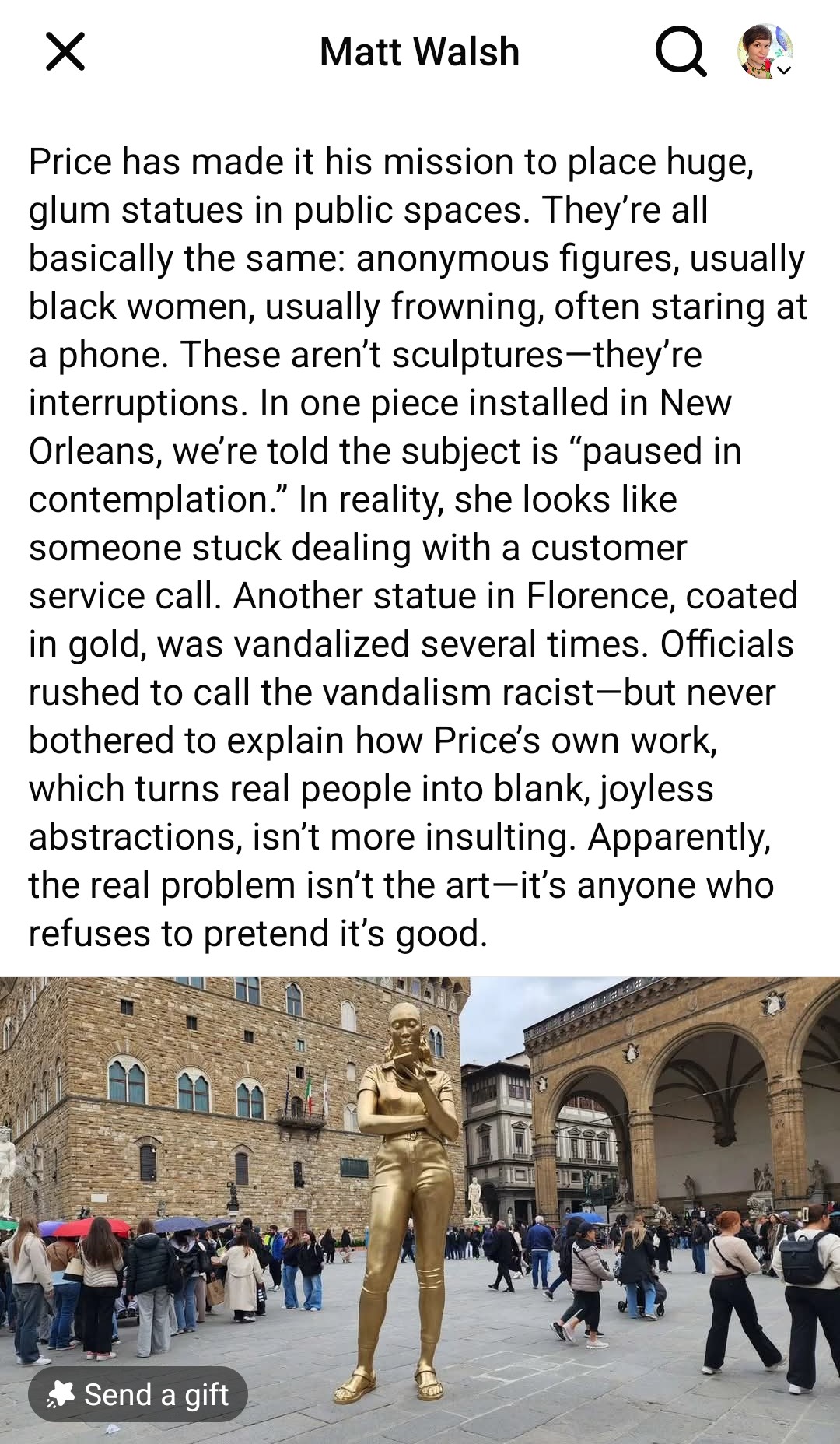
Thomas Price is a British sculptor who installs over-scaled sculptures of everyday figures in public spaces, centering on black women. His intent has been quoted as “I want my sculpture to be an opportunity for people to connect emotionally with an image of someone they might not have noticed before” (emphasis added by me). This is exactly the message I got out of it when I looked at it before even reading this statement. Unfortunately, not everyone is seeing or understanding the same intent, and many are flat out losing their minds over his installations.
The blurb that encapsulates the myriad of complaints best is screenshotted below:
Keep in mind, this post is intended to provoke thought and discussion. In no way am I telling you that you have to like these sculptures. We all are drawn to different things, and that is perfectly fine. However, “I don’t like new things, grumble grumble, or phones, grumble grumble, or looking at art, and for God’s sake will someone tell that woman to smile!” is not a nuanced or valid critique. There’s a lot here – let’s start at the top, shall we?
One of the reasons more communities are embracing public art is precisely because it makes art accessible. It integrates art into our everyday life so that we don’t have to set aside time (and often money) to travel to a museum to experience visual arts and culture. This could become especially important as funding to museums in the US becomes uncertain. Public art promotes tourism, boosts the local economy, and fosters cooperation and communication between people of all different backgrounds, ages, and abilities. Additionally, public art specifically designed to communicate about marginalized groups, and social and community issues has been proven to boost empathy, decrease stigma towards marginalized individuals, encourage philanthropy, and also build social trust and improved residents’ perceptions of their community. I have to see plenty of things in a day about topics I’m completely uninterested in, as do we all – Advertisements, anyone? I’m not sure why this is a huge problem.
Ah, and now we get to the classic “All art made after the 1800s is bad” argument, which I’ve never quite understood. There are many paintings featured in “classical” sections of museums that are just plain poorly painted. And yes, there is also modern art that I don’t understand and that doesn’t seem skillfully done to me personally. Again, we are all drawn to different things and typically time period has nothing to do with it. Whether you like them or not, there is no question that Price’s sculptures are skillfully created. They are incredibly realistic with every hair given texture, every wrinkle in the clothing perfectly captured, accessories and objects accompanying the figure created in identical detail to life. The only difference is that classical sculpture has been around longer. Do you know why in those old Greek statues the figures are wearing robes instead of jeans? Not because it looks more “fancy”, but because that’s what they wore when those sculptures were created! Remember, there was a time when every piece of classic art was considered “modern” as well. I remember my middle school art instructor explaining that the reason so many artists draw or sculpt nudes is because it makes them timeless. Any clothing, no matter how understated, is going to eventually look awkward and date a work of art. Something tells me the people that didn’t like these golden ladies would have been even less pleased had they been unclothed, however.
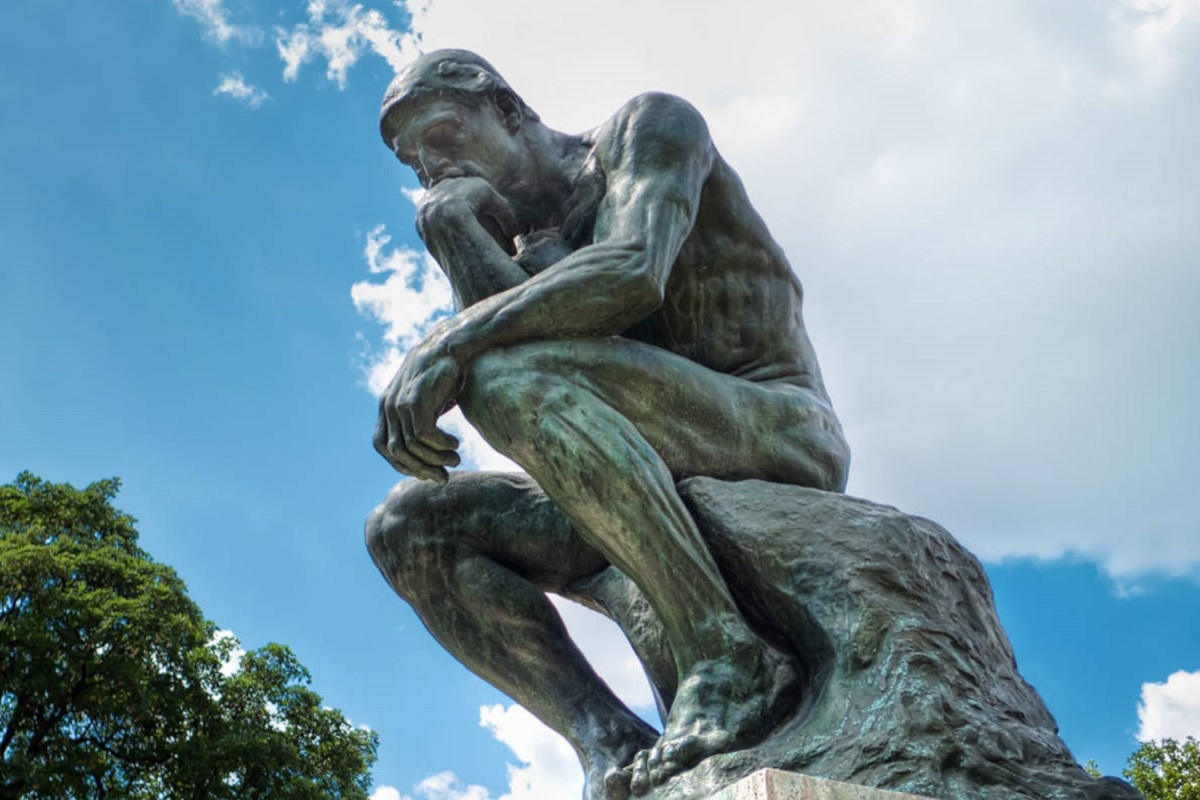
Look at this Rodin piece, art from the period when artists actually knew what they were doing! Oh wait … he looks a little, dare I say ‘gloomy’, and check out that shlumpy posture! Hm … maybe what people are telling us is the problem with these works isn’t actually the real problem.
Creating sculptures representing typical, everyday neighborhood folks and placing them throughout public spaces is not new. Even in the small communities I’ve lived in, there have been similar installations in both Midland, MI and Saginaw where I now dwell. What’s new is the accompanied outrage.
I read a study, referenced earlier, about how art that communicates about marginalized groups (or depicts figures not often seen in fine art) can inspired empathy and stronger community, but it isn’t a magic aura that is going to just radiate off of a sculpture or mural and instantly transform every single person’s heart that walks past it. It takes time, and it’s messy. One of my favorite pieces I’ve created of a young woman with down syndrome was printed on a metal sign along with many other works along a walking path in a nearby community. A Neo-Nazi group slapped a number of their promotional stickers over it – thank goodness for goo-gone. It won Best Of Show at 2 different events, and not everyone was happy about it or understood the point. Many others celebrated – You will not please everyone no matter what your field.
That being said, if a public art series is almost universally disliked by the public, then can we say it’s successful, that it is achieving it’s intended goal?
If as an artist, you are trying to reach the wider community but they don’t seem to be understanding your message then yes, sometimes it is time to go back to the drawing board and make some adjustments or try something different next time. However, if you are observing that it seems the public is determined to get your message wrong no matter what you create, it may be time to be true to yourself and persist. It’s hard, and there isn’t always a clear answer. That choice is ultimately up to the artist. We don’t have to like every piece of art we see, but remember that artists are actually human beings, and if you think you have a better idea then go pitch it! Most calls for public art in all communities are looking for ideas from everyone, whether you are an “official” exhibiting artist or not. Collaboration and communication accomplish more than complaining. I’m not saying it’s easy, but it’ll certainly leave us all a heck of a lot happier and more fulfilled.
Artists and non-artists alike, what are your thoughts on these pieces, on public art in general? Inquiring minds want to know!