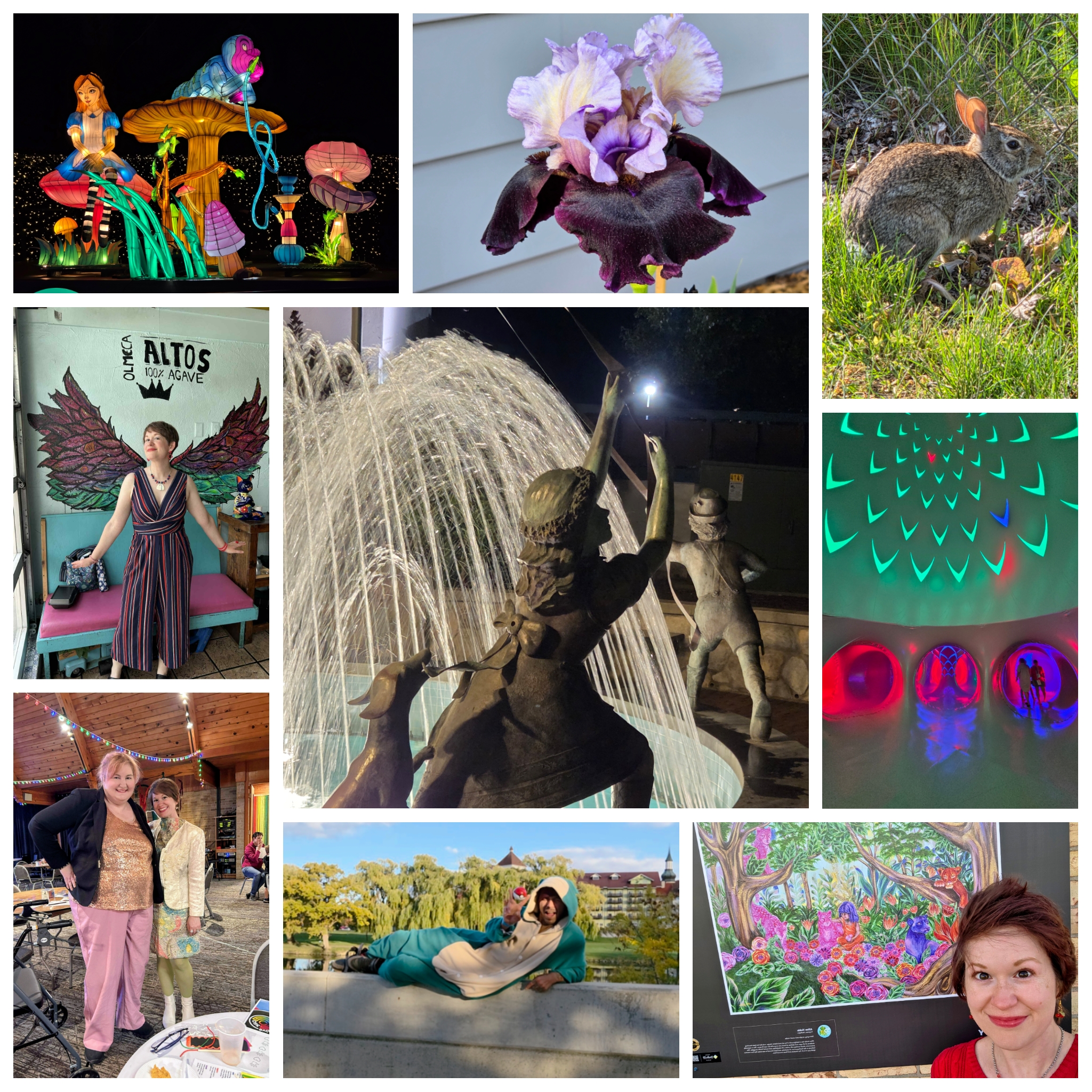
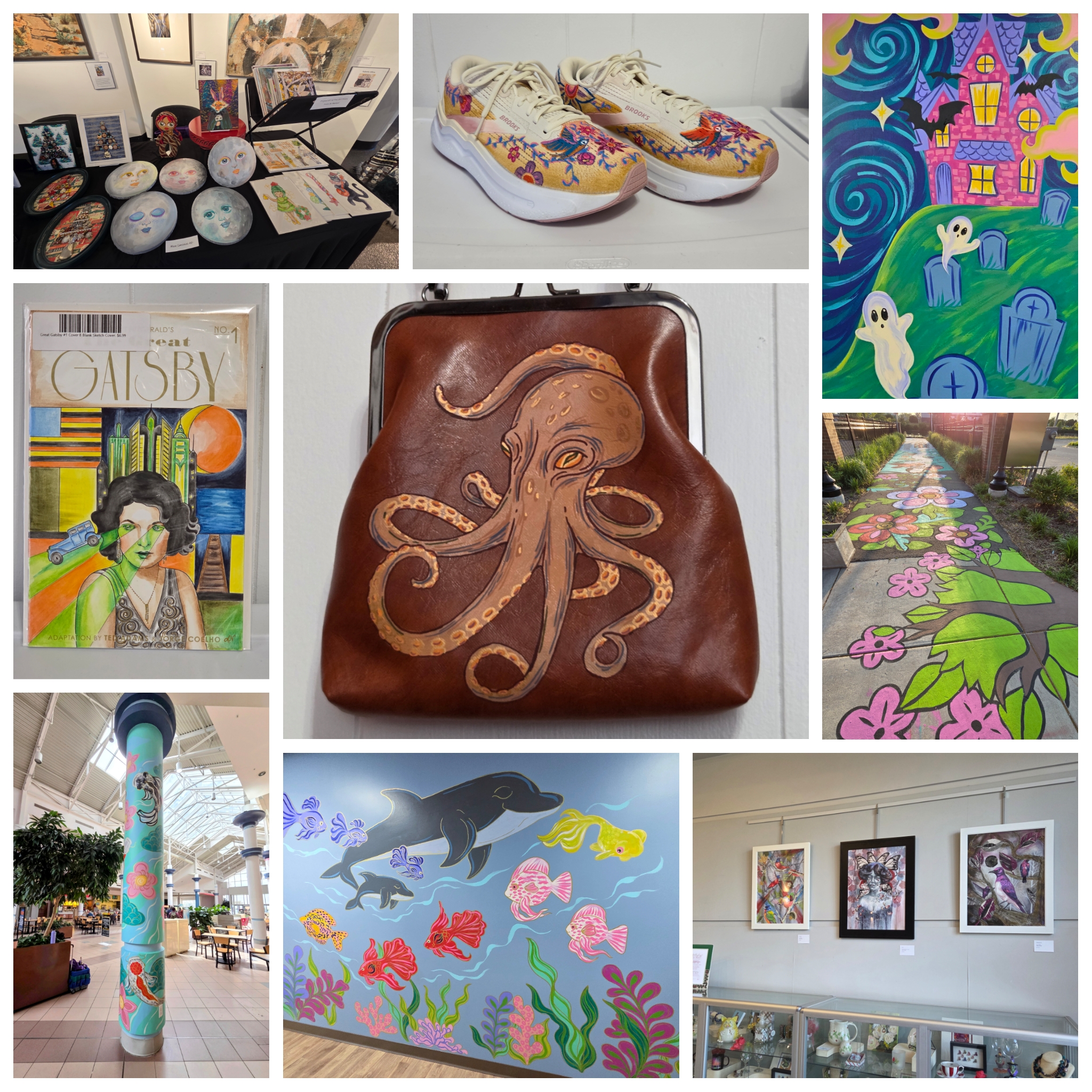
Even though I’m no longer a frequent Instagram user, I still enjoy assembling my end of the year “Top 9” photo collages because if nothing else it is fun to look back on a year in pictures, one for life and one for art. This year, I found I didn’t have nearly as many photos to comb through because I had hardly taken any, aside from a lot of ebay inventory snapshots. This year was exciting and fulfilling professionally, but I’ll be honest it was tough, and I didn’t find myself with much energy reserve to enjoy the milestones. Flying by the seat of my pants, I guess there also just wasn’t ample time to capture the ride along the way.
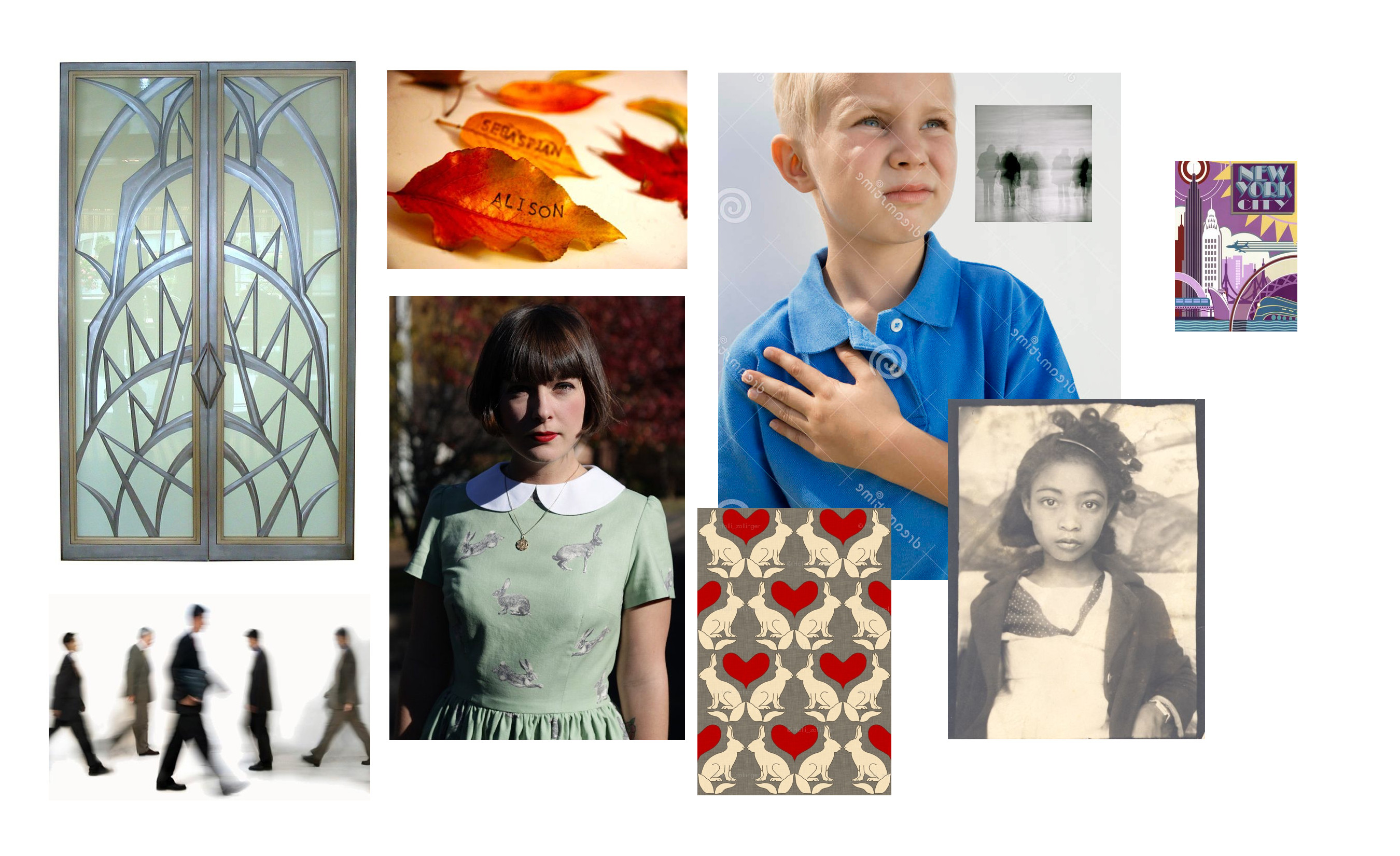
I have always been a bit extra-fascinated with personal photos. Back before digital and before everyone shared their photos online, sometimes you’d visit a friend or relative and they’d ask if you wanted to see their vacation pictures, snapshots from their birthday, etc. (aging myself here). A stack of newly developed photos or an album would be passed, the owner offering a verbal commentary along the way. In some this would elicit internal groans, but as a kid I was always happy to be a captive audience because I just loved looking at photos, anyone’s photos at all. Remember, I’m talking about pre-daily internet access. Looking at photos of different people and environments than what I was used to allowed me to soak in more visual details to use in drawings (and yes, even as a kid bits and pieces of these visual stories would end up in my marker sketches.). I distinctly remember that I wouldn’t just look at the main focus of a photo, but would scan the entire image methodically, taking note of what objects were sitting on the counter way in the background, what pattern was engraved on the button on one of the figure’s shirts, what type of knick-knacks were sitting on the corner shelf, just blurred out of focus. To me, these were important clues to the rest of the story, more so than the expressions on people’s faces.
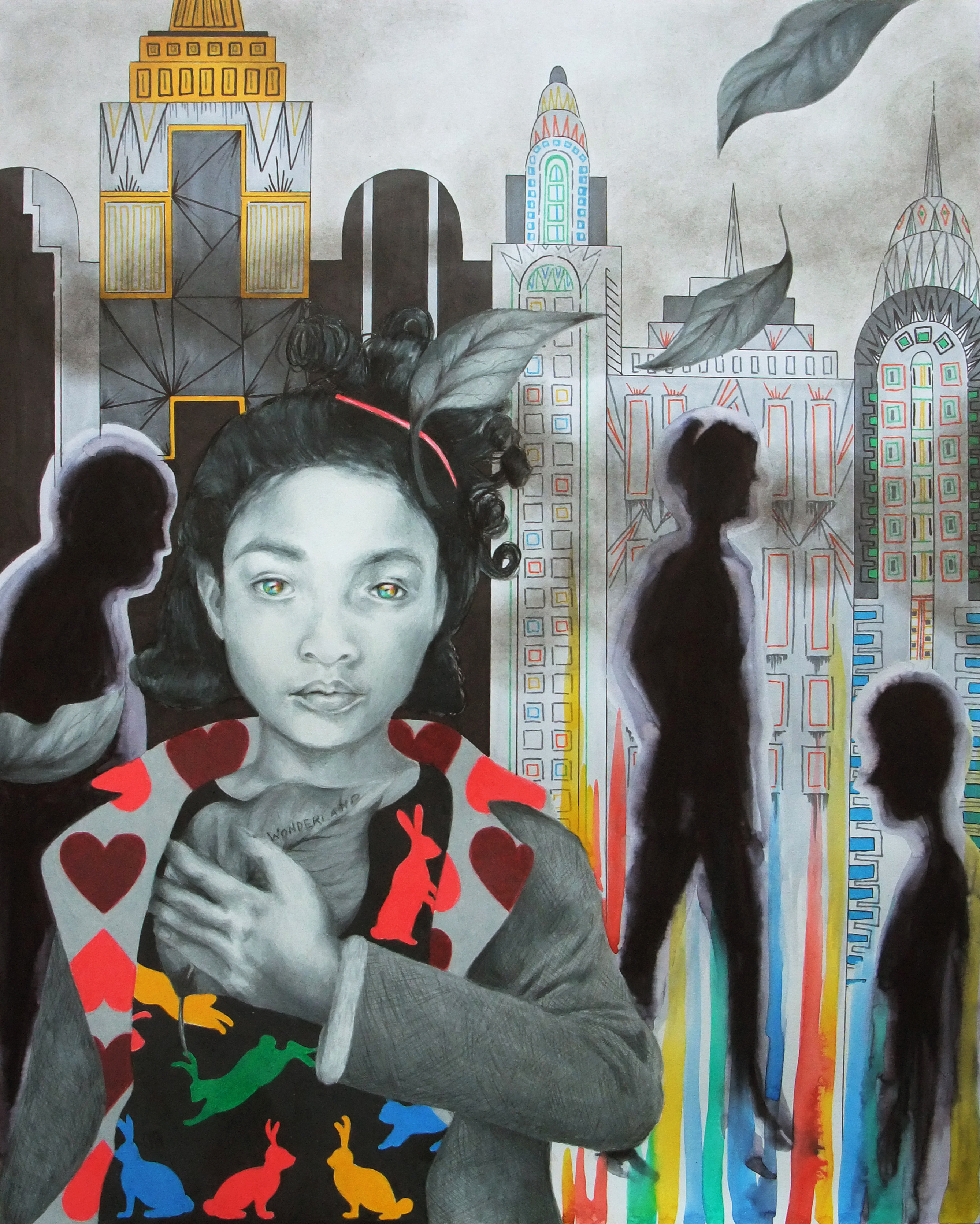
I still use that philosophy, that it is the small, overlooked details that reinforce a feeling and a story, in my art today. I am forever both physically and in memory collecting images to combine together to weave a story – a captivating fabric print here, an interesting nose there …
19×24″ Prismacolor Pencil and Ink
In a year as harried and chaotic as this one just passed, maybe what we choose to stop and capture says something about our story as well.
An artist friend recently shared with me an article they wrote titled “The ABCs of Underground Art”. I really enjoyed it, and they encouraged me to write my own ABC’s of the type of art that I do as a fun journaling prompt to use to unwind and organize your thoughts. Those that have followed me for awhile know that I don’t typically stick to just one type of art, so to open up the limits I decided to make my “alphabet” the ABC’s of Creation. I have assigned a word to each letter, along with a video of my illustrating a cool little ACEO sized letter inspired visual to go with each word. Read, listen, or both – whatever works!
E is for Equalize. Creating is a great equalizer in my opinion, because there are so many different ways to go at it even with certain limitations. I work with students with disabilities, some of whom have a lot of trouble with fine motor skills or dexterity. Large, overarching strokes, wobbly lines, lopsided sculpting … Some people try to achieve these peculiarities on purpose! There is a way to make qualities you may view as imperfections part of your signature look. How cool is it that when creating, we can take something that is typically viewed as a difficulty and transform it into something that enhances our end result.
Above are just a snapshot of the beautiful works of art my students have created over the years. I strongly believe that beginning my career as an instructor with the Express Yourself Artshop inclusive program in my hometown (as someone who wasn’t even planning to become an art instructor at that point!) made me a better teacher.
(Psst! We do have a Redbubble Shop as well, if you want to show some love.)
An artist friend recently shared with me an article they wrote titled “The ABCs of Underground Art”. I really enjoyed it, and they encouraged me to write my own ABC’s of the type of art that I do as a fun journaling prompt to use to unwind and organize your thoughts. Those that have followed me for awhile know that I don’t typically stick to just one type of art, so to open up the limits I decided to make my “alphabet” the ABC’s of Creation. I have assigned a word to each letter, along with a video of my illustrating a cool little ACEO sized letter inspired visual to go with each word. Read, listen, or both – whatever works!
D is for Dream. Creating allows us to show others things they could never see in real life. It transports us. The art I appreciate the most takes ideas from reality but uses innovation to present it in a new way. This is the kind of art that makes creation valuable; we can’t just look out the window and see what it is showing us. Not to say realistic things like landscapes can’t show us a new reality, Look at Van Gogh! Creating invites us into the mind of someone else, a place we can’t usually go.
The only time I ever felt 100% ‘solid’ outside of my home growing up as a kid was in art class; a real, seen person as opposed to a sort of misty vapor you may feel in the air but not give much notice – a draft that causes a door in the house to close causing a noise for just a second, this abrupt sound being the end of its impact. I wasn’t popular by any means, and though gifted academically, I had far too much social anxiety and general sense of perpetual overwhelm to be a leader. This makes it all the more curious that I managed to spearhead a short-lived fashion empire at my elementary school in my tenth year.
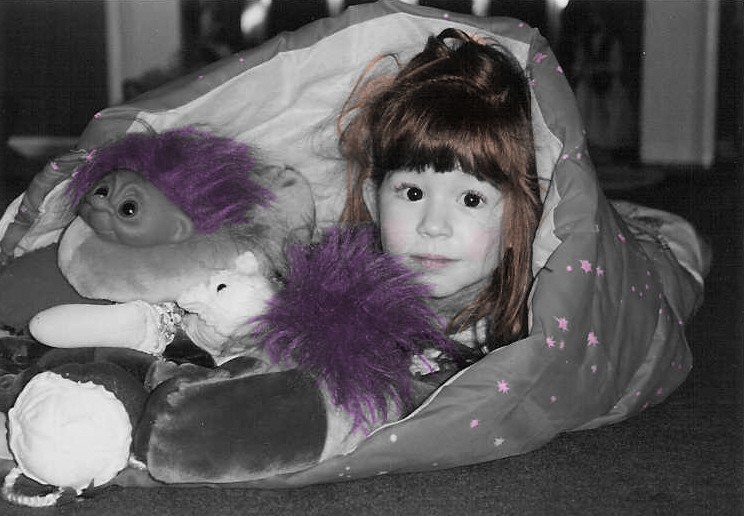
I didn’t have the look of an up and coming designer. I wore jeggings before there was a word for them, much to my classmates’ amusement. I suppose I was just 20 years ahead of the trends. Other than that, I typically donned a whole lot of athleisure, emphasis on the leisure part of that word because I was hopeless at sports. (Note the photo of me with my hero wearing a fake soccer uniform from the American Girl catalogue.) Despite my unassuming style, I could draw models donning original clothing that caught the eyes of the other girls in class. I drew my own fashion magazines at home all the time. When asked what I was doing one day while doodling at my desk after finishing my classwork early, I answered after a long pause, “Working on my magazine”. The next day, half the class was lining up for interviews to be on staff.
I assigned everyone departments. We even had a lingerie section, ironically drawn by the most religious girl in class. She curtly explained without being asked that the models in the hand-drawn photoshoot were married so it was ok, with a definitive huff at the end. As Editor In Chief, people were coming to me for approval and advice, and it felt good at first. They even followed my quirky rules. All text in the publication had to be written in the alien font I invented, which was a mix of Egyptian hieroglyphics and Microsoft Webdings. All were given translation keys for their convenience.
Things were going smoothly until one day, my Vice President called an emergency meeting with only the board of the Fashion Club, as we were so creatively called. A lot of members felt one of the girl’s designs just weren’t cutting it. They proposed she be ousted from the group. I gave it careful consideration, and admitted her ideas weren’t very good. She complained about having to use my specialized typography, also made clear regularly her disdain for the requirement that our designer names be our first names spelled backwards, and she lived in my neighborhood and frequently stopped over without calling first to play with my toys. I was still steamed that last time she’d visited, she spat on my Sleeping Beauty Aurora doll whose eyes close like she’s sleeping when you wet them with … well, it was supposed to be water. I’d never fired anyone before – I’d never even had a real job aside from watering the neighbor’s plants when they went on vacation. It could be fun.
The next recess, I called neighborhood girl into my office, which was behind the tallest tree on the playground. I told her directly that this wasn’t working out, expecting it to be cool. It was not cool. She called me a bitch, a word I only knew from my favorite Alanis Morrissette song, and gave me the finger, a gesture whose meaning was unclear to me at this time. Following this, she ran off sobbing uncontrollably. I felt terrible. I’d had my first real taste of power and influence, and I absolutely hated it.
The next morning, I apologized to neighborhood girl, resigned from my own publication, and faded back into obscurity as nature intended. It was way more fun spending recesses pretending to be a Pokémon anyway.
My last post being about the misgivings of AI art, and this one now being a trip down memory lane to the beginnings of social media, it should be no surprise to readers that I am about to be closer to 40 than 30 with my birthday end of this month. As a socially anxious teen just starting to be proactive about actually sharing my art with the wider world, I may have a bit more warm nostalgia about these early platforms than most. Everyone back then had their own Angelfire website, even those who had absolutely nothing to showcase other than an “All About Me” page with random facts about favorite colors, animals, and food with little dancing cartoons GIFs in the margins. The fact that you could have your own special place out there on the internet was just so novel at the time.
My first social was a xanga blog, which was mostly young people but didn’t have as many kids on it as livejournal, had more interactive capabilities, and seemed to attract more of the artsy, alternative crowd overall. In junior high, I was emailing friends if I wanted to virtually communicate. A combination of xanga and AIM was a social life game changer. Everyday people from all over the world essentially created a completely public diary, which may seem like a horrible idea but back then it was great. At least at my school, it was as common as facebook is now and it allowed you to get to know people on a deeper level that you may not get to interact with for more than 10 minutes during school. Despite widespread parental concern that instant messaging and blogs were going to turn kids into antisocial aliens, for me it actually helped me find people with similar interests and aided me in launching the whole “making friends” bit.
People weren’t turning themselves into a brand yet. Nowadays (a very old person word to start a sentence with), if you use your social media accounts like an actual diary people think you’re weird and need therapy. Full disclosure, I don’t really let this deter me. People would share photos from their day, mostly blurry and with bad lighting. Nothing was curated or planned out, no one knew what an aesthetic was. There was to my knowledge no privacy settings. It was made to be public. Complete strangers would comment on your everyday thoughts, passionate infodumps, and photography and they weren’t bots, and they weren’t trying to sell you something. I made close bonds with people across the US and some outside of it for about a year or two. We shared things we’d never told anyone, even friends or family, because at the end of the day sometimes it’s just easier to open up to someone you don’t see all the time. One online friend didn’t know how to tell their very traditional immigrant parents that they were gay. Another had been in love with this person in their class since 6th grade, and now as a high school junior it looked like a relationship might finally happen but their strict, closed minded parents were against interracial dating and they were afraid of the consequences at home. Another was severely depressed and didn’t understand why as nothing in particular was going wrong, and they wondered if others had gone through anything similar and how they broke out of it. Another was being bullied a lot at their school, and just wanted to see if they were actually a cool person capable of making friends outside of that weird bubble where everyone had already made up their mind about them. I became friends randomly with an entire Canadian indie black metal band. We critiqued each other’s bad poetry, posting stanzas back and forth.
This is magic that I don’t think could happen today. Were these lifelong friendships? Of course not. Even early on I knew not to hand out my phone number to assorted people on the internet so our time only lasted for the couple of years I continued using the platform. I don’t see this as mattering, though. So many people are only part of our life for a season. At that time, these conversations filled a void, inspired, and made people in their teens and early 20s feel heard. No one, at least in our age group, had yet figured out how to use social media to manipulate. People generally remembered that there was a real human behind each funny little blog and acted accordingly. There were minimal facades – We just didn’t see the point. Now, every post must be calculated – Is this ‘on brand’ for me, does this make me look happy/successful/competent? Is this opinion too abrasive, this musing too controversial? 75% of the time we just let memes speak for us. We are all products, and it kind of makes me sad. Social media is pressure. Everyone expects instant responses to their comments or messages. It’s work, not relief, not belonging. Maybe it’s because I’m older now, maybe it’s because I finally have a larger network of people IRL who do want to socialize with me regularly, maybe it’s because I no longer feel surrounded by people that oppose my every social or political stance like I once did, and the lack of alienation has made something like xanga obsolete for me – but the internet just isn’t fun anymore. Not like it used to be.
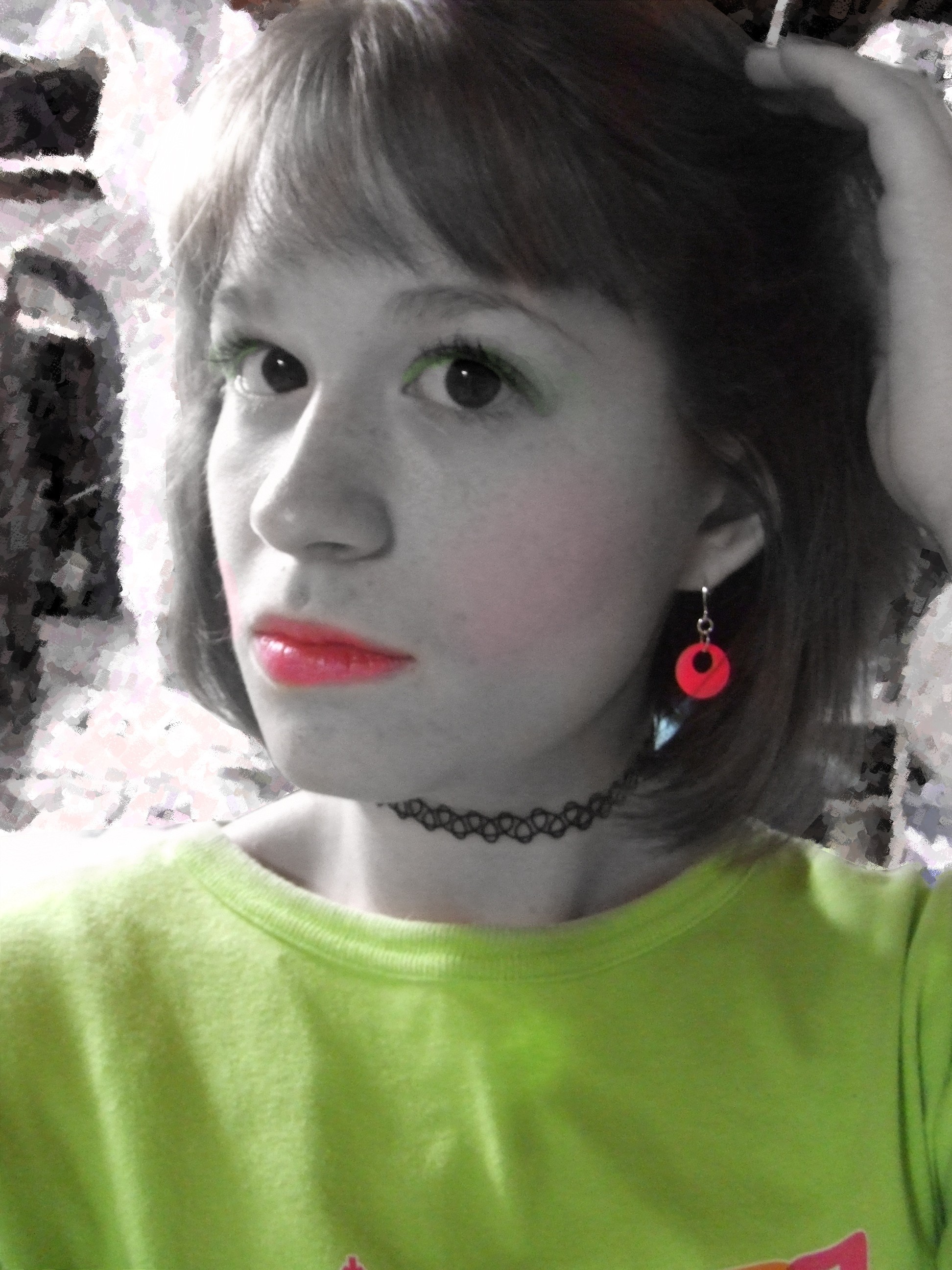
I’ll leave you with some of my early profile pics. The bad editing you now witness actually took a lot more work back then than simply clicking a few buttons. What a time to be alive ^_^. Retro emoji is intentional.
2023 was overall a fantastic year filled with enriching experiences, but the last quarter, typically my favorite part of each year, definitely roundhouse kicked me in the behind. I ended the year with pretty debilitating burnout, and was already begrudgingly dreading the middle-to-end of the NEXT year because, why would it be any different? I’m sitting here like a big dummy changing absolutely nothing about the major pillars of my life.
We hear time and time again that the definition of insanity is doing the same thing over and over and expecting different results. A fear of stagnation is drilled into us, and especially in this day and age we are expected to always be doing something new. People that don’t like change or enjoy a particular routine are looked at as dull and uninspiring, lacking in aspiration. We are told if we get tired of something, or a particular job, relationship, etc. isn’t serving us then just drop everything and start over, and often face judgement if we don’t. Everyone sees the big changes, but no one notices those subtle, butterfly effect changes that can make a huge difference without completely blowing up your life (Disclaimer: Sometimes you do need to start over, trust me, I’ve been there. But not always…) I propose a little bit of advocacy for consistency, and sticking around long enough to get to the breakthrough.
This was a year of growth for me: growth in closeness to my family and friends both new and old; growth with my partner as we both became better versions of ourselves individually, and learned how to mesh these individual identities into a shared life; and growth in my career as the first year I worked as an independent artist. Growth is not linear. Not everything worked well. There was a lot of joy as I packed more different experiences than I’ve had in the last 5 years into one, but also a lot of tears. Much of 2023 was one big learning experience.
I grew my online business, took part in public arts projects, lead an art restoration project, taught art to just about every age and ability level in 5 different cities, and finally refurbished my unfinished basement and created an official home studio.
Some things I learned in my first year as an independent artist are:
Teaching is a key component for job stability as a traditional artist. I’ve seen other independent artists that are graphic designers make logos and web design their main base, but as a creator who only dabbles in the more techy stuff, teaching at local arts non-profits has been a consistent base especially once word of mouth spreads via happy students. Being involved as a contractor at larger organizations rather than only trying to teach private lessons or workshops independently has the added benefit of opening the door to other opportunities once that organization learns your skillset.
Be choosy about market venues. When it comes to in person art markets and festivals, I had been taking the approach of best value and high quantity. I ended up getting super burnt out as it’s no secret markets are a lot of work, and so many of the “Amazing, this venue is only charging 20 bucks to set up!” opportunities were completely dead with no customers. All those small charges could have added up to funds to afford the gas and booth fee for an out of town venue in a more populated, high traffic area for example. In 2024 I will be focusing on larger, more established markets, but maybe doing less than 5 per year rather than one every couple weeks. When it comes down to it, today I think in person sales are more about getting your face out there and talking to people about your brand than making a huge amount of money.
Your social tribe isn’t necessarily the same demographic as your customers. This is something really interesting I’ve discovered through my own record keeping and observations. I do a lot of upcycled clothing. Overwhelmingly, the women who buy my clothing are women 2-3+ decades older than me that enjoy having artsy statement pieces as a part of their everyday wardrobe. My juniors painted and fabric collage garments on the other hand take forever to move. Similarly, when I set up my art prints and mixed media work for sale at venues that are places I’d actually hang out (a punk rock music festival for example) I sold almost nothing, but when I set up at events that attracted a lot of customers that were actually quite different from me and my typical friend group, I surprisingly sold well! It is advantageous to pay attention to who is most excited about your work, and see if there are any common threads.
Take control of your schedule, and be intentional. One of the main reasons I wanted to go independent was to get a better handle on my anxiety level. I have always had an incredibly difficult time with not knowing exactly what my schedule will look like way ahead, or the idea of my day to day routine being controlled by someone else – that’s a big anxiety trigger for me, and though I’ve tried to work around it at the end of the day it’s just how my brain works. I was tempted to jam in every opportunity possible all over the place because realistically, sometimes things don’t run and I didn’t want to come up empty handed. I ended up with an erratic schedule that if a boss had handed to me, I’d have been really angry with them – but it was me who had done it to myself! Dealing with work that is not necessarily “guaranteed” can be nerve-wracking because, well, survival. Now that I have been able to observe what usually always ends up pulling through and what pursuits are a bit more of a wildcard, I can allow myself to say no to some things so that I can include other important things in my life besides just work.
Become familiar and comfortable with ups and downs. As implied, there will be times when everything is coming together and it’s one big achievement after the other, and times when things are really slow. It’s like this for any independent or commission based job, and you have to just expect it to happen and plan/budget accordingly to the best of your ability.
Resist marrying your value and identity to your job. This has been difficult for me anyway as discussed in a previous post. It is especially challenging for those that are in a creative field because so much of what we put out into the world through our craft is very personal. However, this tie is dangerous because during those times when work slows down or a project you were excited about gets delayed, etc. you end up taking it personally and feeling like you are a bad person or have a bad life, and it can color absolutely everything. A small or medium size setback becomes insurmountable. I love what I do and am passionate about it, but it is no longer the most important facet of my existence and that is normal and healthy.
I always do a small project for the new year inspired by the new Pantone Color Of The Year. This year’s was Peach Fuzz, which is honestly not my favorite. However, the soft, neutral orange color was perfect to add a warm glow to some watercolor winter scenes.
I hope you enjoy the quick demo, and have a wonderful start to the new year. Other working creatives out there, what are some things that you learned in 2023?
It’s interesting to see how this blog has changed since its early stages, the one constant being a celebration of creativity and self expression. At the start I was focused on sharing current artists I’d discovered, and easy lesson plan ideas. Now, I find more of the focus to be on the journey of living this life as a creative person, mental health, and authenticity. I like that what I share has evolved to become more relatable to all folks, not just artists.
I don’t think I ever realized growing up that life would literally be just constant change. I was the kid growing up that wanted to know everything that was going to happen the next day, and had to be warned well in advance if any part of the “itinerary” happened to change, no matter how miniscule. As I am confronted with another unavoidable period of uncomfortable change, sometimes I wonder why I don’t seem to fit into any of the categories laid out before me, like a multiple choice exam where all of the answers appear to be wrong and there is no “none of the above” option.
As a woman, we hear the term “having it all” a lot. This all means that you have kids, a husband, family, maybe a pet, AND a career. That’s it. That’s what all means … 2 things. Yes those are two BIG DEAL things that take up a lot of time and energy, but still, that’s all we get is 2 choices? That’s absolutely crazy to me. I’ve known for a long time I didn’t want my own kids (though I sure do enjoy when I get to visit my new-ish niece!). At the moment, my career is a bit up in the air and I’m finding that I may not have the ‘boss babe’ personality or the workaholic drive I assumed I must have since I didn’t want kids. Doesn’t everyone get one or the other? I’ve discovered what I thought was career ambition was just hyperfocus tendencies in general directed towards an area of interest. If that interest is missing, then poof the vigilance is unfortunately gone. I get a lot of anxiety when my entire schedule and life’s structure is beholden to the whim of some other entity, and when I was working as a non-profit Program Coordinator though I liked being able to tell people I run something ;), I ended up super burned out on a regular basis. So, if I’m not a career woman and not an aspiring wife and mother am I nothing at all? [Don’t get me wrong, I’m sure men face a lot of these either/or black and white fallacies as well but I’m not going to presume to speak about something I’ve not experienced. If you’re a guy that wants to share an example you’ve run up against, feel free to share in the comments!]
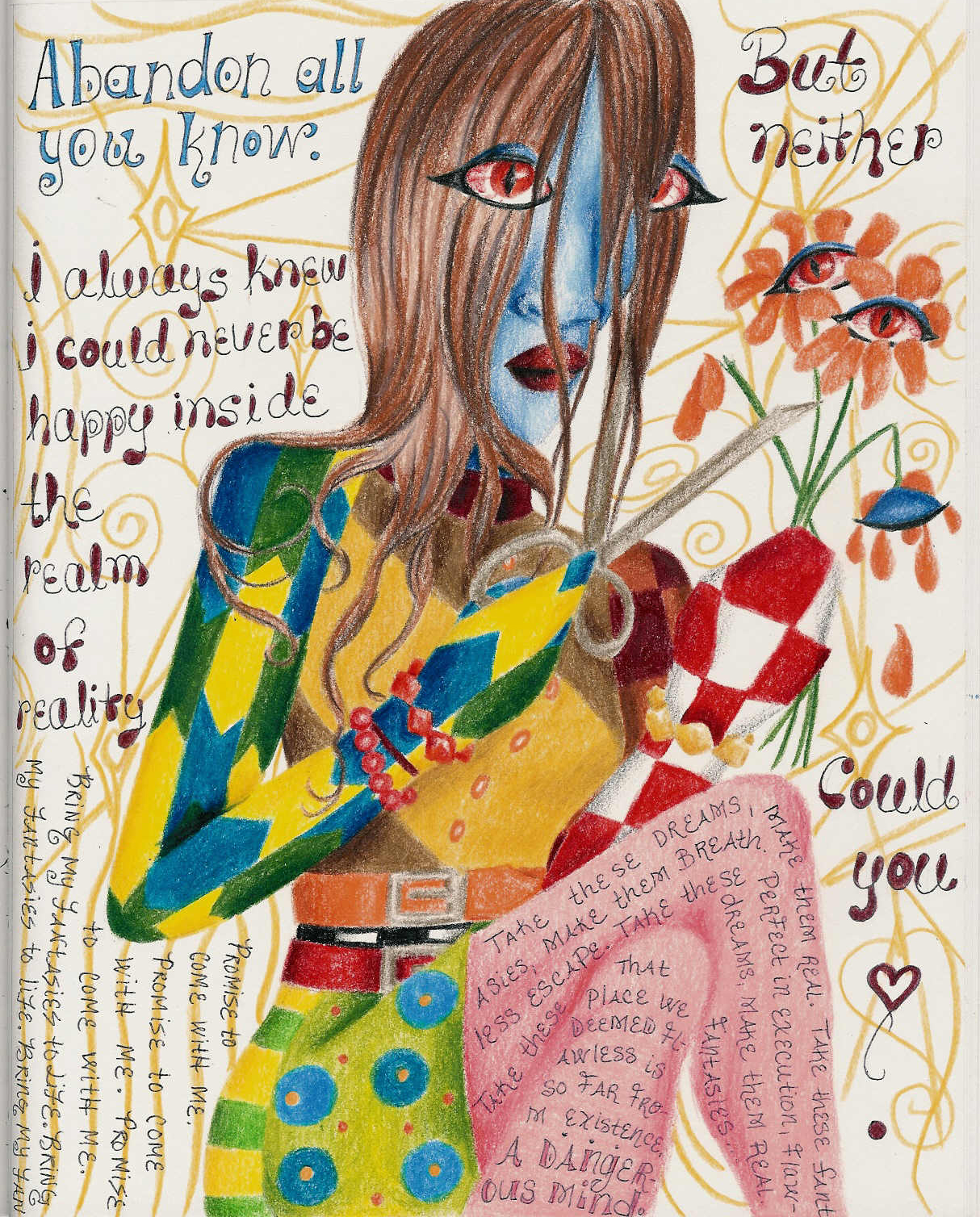
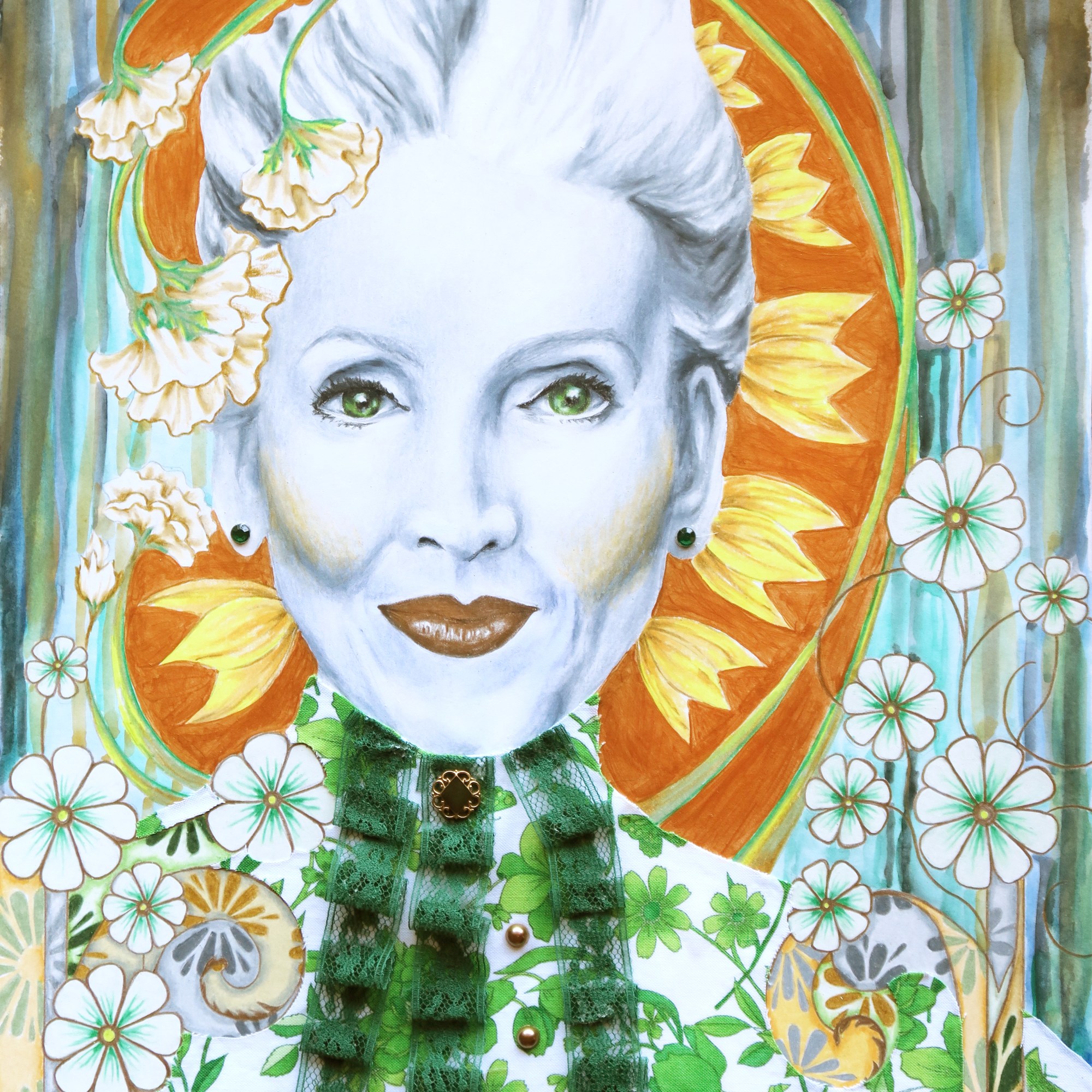
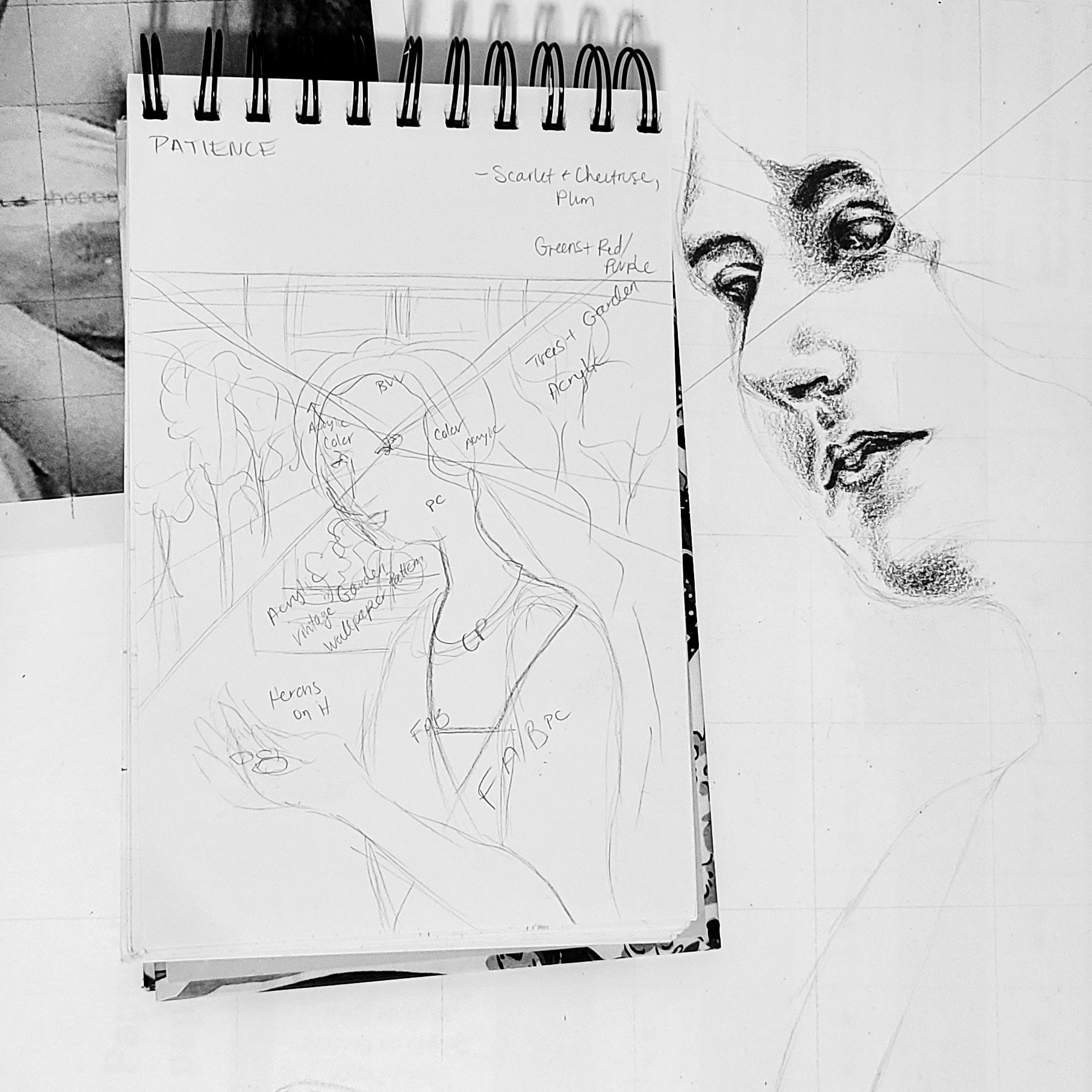
Life is rarely clear, but I find it interesting that I can often find clues even within my own art. I see 2 mature ladies created in 2017 and 2020 that are confident, joyful, and at peace, on their own, within themselves. I identify with them, and think that could be me one day. I see a woman whose tears are butterfly wings (The original is currently hanging at Studio 23!), created in 2019 during one of my toughest periods of significant change, pain and evolution hand in hand. I even noticed the concept sketch for my newest installment in my current series, titled “Patience”. Seeds to a great tree are in hand, as the figure imagines what may one day be.
I’m finding that in order to successfully manage change, growth, and any sort of patience I can’t try to look at myself through the generic lens our society tries to use to discern who belongs where, or I just end up seeing myself distorted and confused like looking in a funhouse mirror.
If the answers don’t fit, sometimes I have to use a giant purple crayon to write in a new one, or at least that is how I like to imagine it.
Some spicy discussions are happening about what classifies as an actual disability, and when accommodations are reasonable just as we’ve tied up Disability Pride Month after a video of a distraught young woman shared an unpleasant job interview experience. She was allegedly yelled at by the interviewer after being asked if there would be leniency and accommodation for her time blindness. Being tossed around are accusations of faking disability when one is really just lazy, “this never used to be a problem!”, comments of how this younger generation has no resilience or willpower, and more.
I’ve worked with individuals with disabilities for over a decade now, and I can say that time blindness can be a very real thing. It is often a symptom of ADHD (though, nothing is across the board – I also know people with ADHD that are early for everything!). It is fair to say we are seeing more cases of ADHD now, which is why this and other issues may seem more common. Whether that can be linked to the different way we interface with technology compared to the past, diet, the fact that are school system is built upon making children sit in one room and listen to someone talk for 6+ hours, or other factors I’m not going to get into because I’m not an expert so what I have to say would mostly be speculation. I also think it’s fair to say we as a society are struggling with resiliency, but I’d also argue life has become exceedingly more complicated, and resiliency is really a moot point when your brain just won’t cooperate with you on a given task. I’ve had employees work under me who I would legitimately have to remind on a weekly basis when they were to come in to teach their class, even though they taught at 2:00 on Tuesday for example, the same time every week for 4 months. At first I thought they were putting me on, until I realized they honestly couldn’t get a handle on remembering their schedule, even sometimes after writing it down.
I have my own “stuff” as we all do, and I can tell you there is nothing more infuriating and painful than repeatedly being told you’d be better at something if you’d only try, when you have poured every fiber of energy you have into trying only to see no improvement. I have a funny little thing that is referred to in layman’s terms as “location blindness”. What’s interesting is, usually people that have this acquired it due to traumatic brain injury, but I just got lucky and have always been like this. I have the complete inability to retain directional information or orient myself in space. I have always had an above-excellent visual memory, so it isn’t like I don’t remember what different places look like, I just can’t fit the puzzle pieces together. It’s all details, no big picture. I have to use GPS to get to the same grocery store I’ve used in town for the past 10 years. When I was first learning to drive, I noticed things just weren’t clicking into place as I’d assumed they would, so I would study directions to places I frequent like one would study for an exam. It did absolutely nothing for this almost straight A student … I still couldn’t tell you how to get from point A to point B. If I get up in a restaurant to go to the bathroom, I have to very deliberately focus on the exact turns “right, left, right again…” that I made as I left my seat and repeat them in my head the whole time like a mantra or I won’t find my seat again, which is always super embarrassing. I recall asking my doctor about it and her saying though the degree to which I seem to have trouble is not as common, it’s not dangerous just wildly inconvenient.
Another struggle that’s a bit less important, wheels and I are not friends. I just barely learned to ride a bike without training wheels before junior high, and I never learned to roller-skate or rollerblade. I made renewed attempts during COVID lockdown when I had copious amounts of time on my hands, and made 0% progress sadly. I recall countless roller arena end of the school year parties growing up, because 90s kid, where I was sitting on the sidelines trying to look like I was having fun and well meaning adults would come up to me and say, “Well I feel bad that you’re sitting here by yourself, but we all make choices about what we want to spend time practicing …” If looks could kill, well …
Oftentimes I wonder if these two funny little mental blocks are related, as both seem to have to do with orientating oneself in space, one physically the other mentally. Who knows … The whole point of these odd little tales is to illustrate the fact that sometimes our brain just says “NO, I WILL NOT,” when it comes to certain things. It’s more difficult when the things our brain refuses to do are common skills that it seems like the majority of others have no problem with. Most people that don’t understand a mental block or question its validity aren’t actually trying to be jerks, they just honestly don’t know what they don’t know. And yes, it’s ok to ask for accommodations and sometimes it will be necessary. However, when we can come up with tools and tricks for ourselves to get around our brain’s refusal it’s not just about pleasing other people. Doing this will also make our own life way easier and less stressful. For my location blindness, aside from using GPS I can when possible check out new locations ahead of time if I have to be there for something important, and leave early enough to accommodate for directional errors or unforeseen circumstances like construction that may throw off my route. Saying “Well, I guess someone has to drive me everywhere because I can’t do this” would only hurt myself and my ability to have a life at all and enjoy opportunities both professionally and for my own pleasure. With time blindness, alarms and reminders can be set to assist with being ready. Even if you have to set 15 alarms before work in the morning, one for waking up one for brushing your teeth, another when it’s time to make breakfast, and so on to dictate the schedule of your whole morning routine… do what helps no matter how silly it may seem to other people. Conversely, when someone shares that they are struggling with something, believe them. There’s not really any logical motivation for faking a difficulty when of course we’d all prefer that everything came easy to us.
I had the wonderful opportunity to lead a community mural in Madison Heights for their ADA Pride Celebration the end of last month, the prompt being “If the inside of your mind were a physical place, what would it look like?” This concept really connects well to these thoughts I’ve just discussed … We don’t know what the landscape of each other’s minds looks like, so listening before assuming is always best.
I will be part of a show at Creative 360‘s satellite location in downtown Midland opening mid this month that celebrates neurodiverse creators and creators with disabilities, so if you are in the area be sure to visit!
What is a struggle you have that you wish there was more understanding about? Let me know in the comments.
My new year began with some disappointments and being laid out with a wretched cold, so rather than sulk I thought it was a good time to pen this entry I’d been thinking about for awhile. Hopeful messages are good medicine for the brain at least ;). The first week of January is a time that seems to be made for reflecting, as a new season begins and things are still slow after the rush of the holidays. As I made some professional changes this year that will allow me to put my whole focus into not only my own art business but teaching, something I’ve discovered I love doing no matter the age or ability level I am working with, I feel compelled to share something about myself that many may not know.
Though I now talk all day as my vocation, this is not something I originally would have thought possible. I had a speech delay which I went to therapy for as a young child. It was discovered I knew and understood words, but just wasn’t saying them. I’ve been told even as a baby I was quiet, no babbling or anything, just silence and the occasional prolonged grunt that sounded like a lawnmower motor. I can only imagine what my parents must have been thinking! Though I was soon able to communicate fluently at home, around people I wasn’t as familiar with it was still a struggle. No one that heard me playing in the backyard at home would ever think of me as being “reserved”. Still at school, which I found for the most part enjoyable, I just didn’t know how to communicate with others. I remember one of my most embarrassing 5-year-old moments was when I got called out while playing in a group for participating in the imaginative play by just repeating whatever my best friend made her dinosaur say over and over (We were all playing with plastic dinosaurs at the indoor sandbox station, THE best station in the entire kindergarten). “Why do you just keep saying what she’s saying?” I was asked, followed by the dreaded “You’re weird!” Sigh … my camouflage had failed. When playing by myself I could think up all sorts of great lines and fantastical stories – I was never short on creativity – I didn’t understand why I couldn’t get my brain to “work” around other people.
Even up to high school I experienced a degree of what I now know is called “selective mutism” in public spaces, though public speaking or giving formal presentations in front of a group never bothered me a bit. In college, I ended up choosing to study interior design and had also thought about web design, because I figured there would be a little bit of back and forth interface with clients since I did enjoy people and hated being entirely alone, but then I could go back into my little office space and be creative without constant social pressures – the perfect balance. What do they say about the best laid plans?
I had an English teacher in high school once tell the class “Who you are at 10 years old is your truest self, and you will always come back to that”. I think about that often. As an 8-10 year old kid, I thought I wanted to be a teacher and loved “playing school” with my dolls so much that my parents even got me special little stamps and grade books from the local teacher supply store to enhance the realism of my playacting. I volunteered as a helper for kids programs in the summer, and even job shadowed at my old elementary school when it was required in my first year of middle school. However, I found it stressful not knowing how a real person was going to act and react, whereas with my dolls I was writing the script. I never did like surprises.
I pretty much wrote off that future life plan as I became a teenager, realizing I just didn’t have the skills for it. After graduating from college and experiencing a parade of poorly fitting jobs and pretty toxic work environments which is its own story for another day, I got an email from some mailing list I was on advertising that a local gallery was looking for instructors for a new day program. At this point in my life my confidence in my ability to be a functional human was at an all time low, so I decided what the hell, at least I know I can do art. Let’s give this a go. The rest is history.
I personally have a faith, and I believe receiving that email (and the fact that I actually opened and read it at just the right time!) was quite literally divine intervention. I teach at a variety of locations now outside of my main “hub” where I started, but I truly believe if I hadn’t began my foray into art instruction with the Artshop prograrm at Creative 360 in an environment of radical acceptance that embraces people’s quirks and operates like its own odd little family, I probably wouldn’t have kept at it. The main point of all this personal storytelling is, don’t limit yourself.
What you can do at the moment is not all you’ll be able to do forever. Sometimes, it isn’t that there is something wrong with you, it’s that you aren’t in the right environment.
I am in no way doing what I thought I’d be doing when I was 18, but my 10 year old self may not be that surprised. Guess what? I still am terrible at socializing with new people and making friends. But, I’ve been told I’m a wonderful teacher and that I make people feel valued, and help them believe they can do things they never thought they could do. I’m good with that.
So, this isn’t really an art related post, but is living life not an art itself? I love to pass on anything I come across that has helped me, be it creative techniques or like today, otherwise techniques because why needlessly struggle?
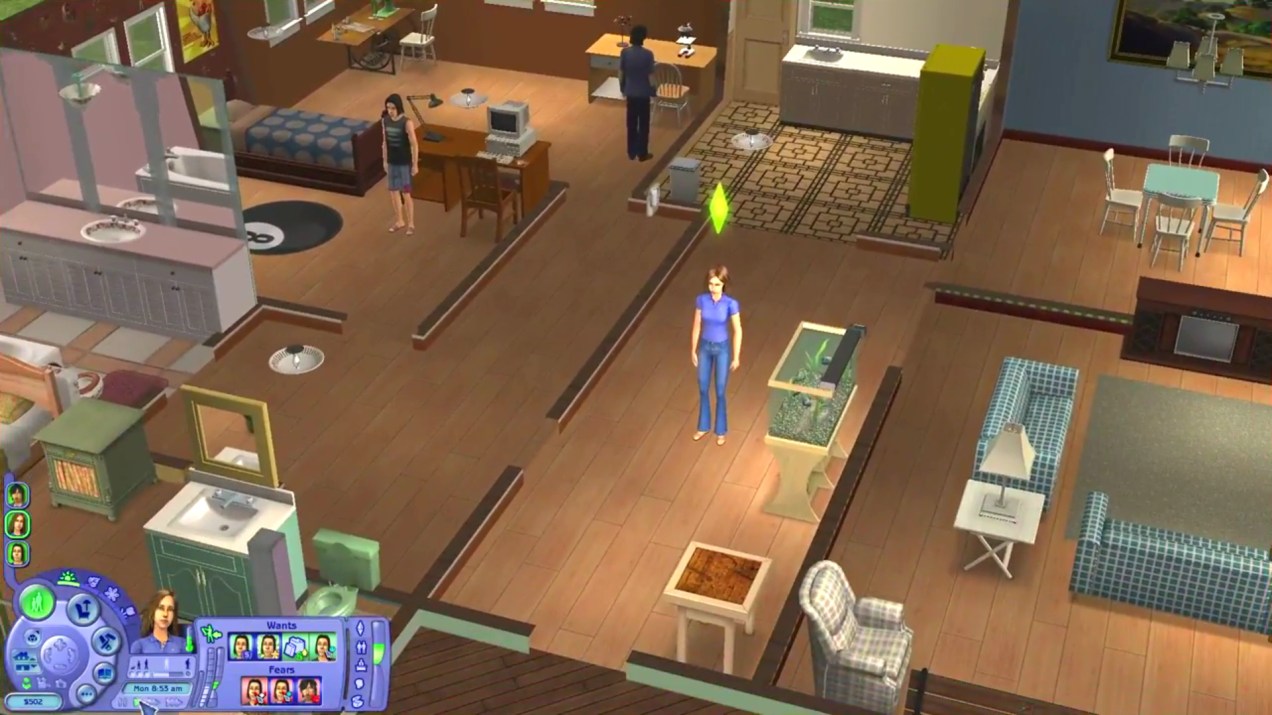
People are complicated, we know this. They often don’t say what they mean, or when they do say what they mean they don’t direct it at the person who really needs to hear it. As someone who is not only one of those “highly sensitive people” but also tends to take others’ words at literal face value – it’s just the way my brain works – this leads to a lot of unnecessary anxiety, hurt feelings, and me scrambling around trying to fix things I was never meant to fix. I really like to fix and bring order, at least I think I do until it causes a total internal meltdown or burnout. Perhaps that is why I loved the Sims games so much in high school and college … Hm…
I unfortunately can’t be a Sims overlord and control people’s interactions and behaviors in real life, so I had to change my own mindset. One day, in the midst of a heated conversation, this sentence just popped into my head and out of my mouth, “I’m not really the one you’re mad at right now“… and everything changed.
Now, this doesn’t mean we abdicate all responsibility for how others are feeling. There are times we will accidentally hurt someone and need to accept what we’ve done and make amends. I’m talking about the times when we are taking the heat just because we are there, and the other person is struggling through things we may know nothing about. Especially those of us who come across as a “safe presence” can catch a lot of explosions. It may be because the other person doesn’t know why they are feeling the way they do, and needs to get back a sense of control so being able to point at someone nearby and say “This is the cause of why I feel this way right now” or “This is the reason why instance x went wrong today” makes them feel like they are making headway in figuring out why things are the way they are. It could be that the other person knows that if they blew up at the person in their life who actually upset them, this other person wouldn’t take it sitting down and would throw it right back, or gaslight them, or react violently and so it’s just easier to unload on someone they know won’t fight back as much. It could be that they are really upset with themselves, but aren’t ready to take the weight of that responsibility, it’s just too painful right now. Then of course, some people just aren’t rational and we may never know the reason. It took me a long time to learn that the reason doesn’t matter as much as our response. Because in the end, does knowing the reason why someone just tore us a new one when all we did was ask them how their day is going really help us feel any better?
A test that helps me is responding to accusing statements with questions. For example, if a loved one, coworker, whatever says, “You’re always holding me back!” (I did a whole other post on this one) or “All you ever do is discourage me!” I would respond with, “That’s not what I want to do, as your friend I truly want you to be successful and have your best life. Can you tell me how I’m standing in your way so I don’t continue to be unhelpful?” or “I’m sorry, that was definitely not my intent. What did I say that made you feel that way so I can be more mindful of my words in the future?” Sometimes, they will have an answer and guess what? That means I get to learn and do better next time. Oftentimes, however, they will have no idea and cannot even come up with a specific example of why they have said what they just said. This runs along the same lines of filtering out constructive criticism versus not so much. If someone at work or home says, “I’m so frustrated, you really made a mess of x!” and you respond with, “I’m sorry, I truly felt I was doing my best. What could I have done differently?” and they do not have an answer … I’m not the one you’re mad at.
The last thing to keep in mind is that this simple statement is for you. Sometimes when you speak it out loud it may make a lightbulb go off in the other person, but there’s also a chance it may not. You’re not saying it to correct someone else, you’re saying it to correct your mindset so you don’t continue going through life a stressed out mess because you are blaming yourself for things that were never in your control to begin with. Sometimes it won’t even be constructive or appropriate in the moment to speak those words to the other person – say it to yourself in your head anyway. I’m not the one they’re really mad at.
It seems simple, but the weight it lifts is immense.











 Allise Nicole's Artistic Explorations