Art Education

Art Is For Everyone : Making Art Accessible Across All Abilities

Working in the arts/non-profit sector as well as running your own business is a challenge, but amongst the hard parts there have been so many happy surprises. None has been quite so satisfying as the news I received end of last week, that I was being recognized for my creative work with disability inclusion. The timing is interesting as it lines up with an inclusion focused Art Talk I am scheduled to give this week at Studio 23, a local gallery and also comes at a time where guidelines for community inclusion are being shall we say “reinterpreted”, and unfortunately not for the positive.
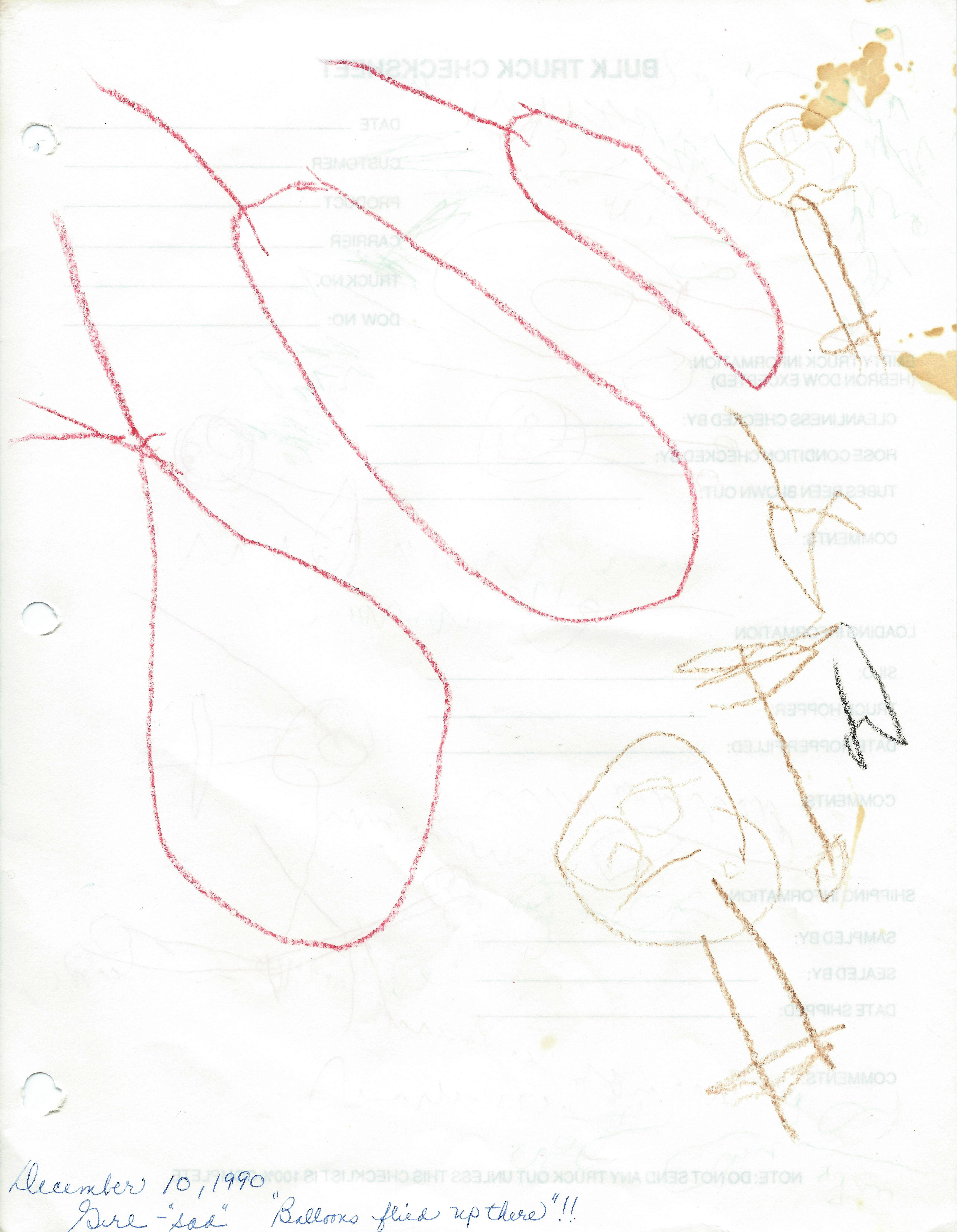
So, how did I come to lead an inclusive arts program with a special focus on serving adults with disabilities and mental health struggles for … 13 years now! Previously, I had never even made it to 12 months at any given job. It seems there were signs from the beginning that I’d come around to something like this one day. I started drawing when I was 2, and my mom even kept evidence. I had always been drawn to art, and as I became elementary aged I enjoyed school and envied my teachers for getting to stay in that environment even as grownups. I soon would be playing school at home, lining up my cabbage patch kids in little doll desks, creating fake worksheets, and my parents even got me a real gradebook (back when everything was still done on paper!) and blackboard. In 2nd grade, we had some kids from the special education classrooms join our classroom for the first half of the day, and one of the girls that I sat by on the swings during morning recess asked if I would meet her at lunch and sit next to her. So, that day I joined her at her table thinking nothing of it. After lunch, all the other kids in my class were asking me “Why did you sit at the (r-word) table today?” I was completely confused that I seem to have broken some special rule that I hadn’t known existed. Years later, this lady would still be in my hometown and funny enough would end up taking one of my painting classes! As I got older, I realized my feelings about being a public school teacher had been a bit idyllic, and didn’t see myself lasting long term. So, I went to school for art but with a major in interior design for practicality. I didn’t realize that interior design jobs where you are actually getting to focus on the “design” part are far and few between especially as a newbie. Most people and places know what they want (whether it looks good or not!) and were looking for someone to order materials and coordinate installment. After a parade of ill fitting jobs, I got an email from the local art guild I was a part of that a local arts center was looking for teachers for a new program that had moved to their location – no experience necessary. I started with Artshop at Creative 360 as a class assistant, then teacher, then program lead in a short amount of time. I had found my place. The program had growing pains, and morphed and changed and restructured many times as programs depending on grants and community support often will. Today, I still work with some students that started with me over 10 years ago. I also go to public schools once a year to do special visual arts programs through Michigan Arts Access. I teach classes of all levels now all over the area within a 45 minute vicinity, but what got me into teaching was working with students with disabilities.
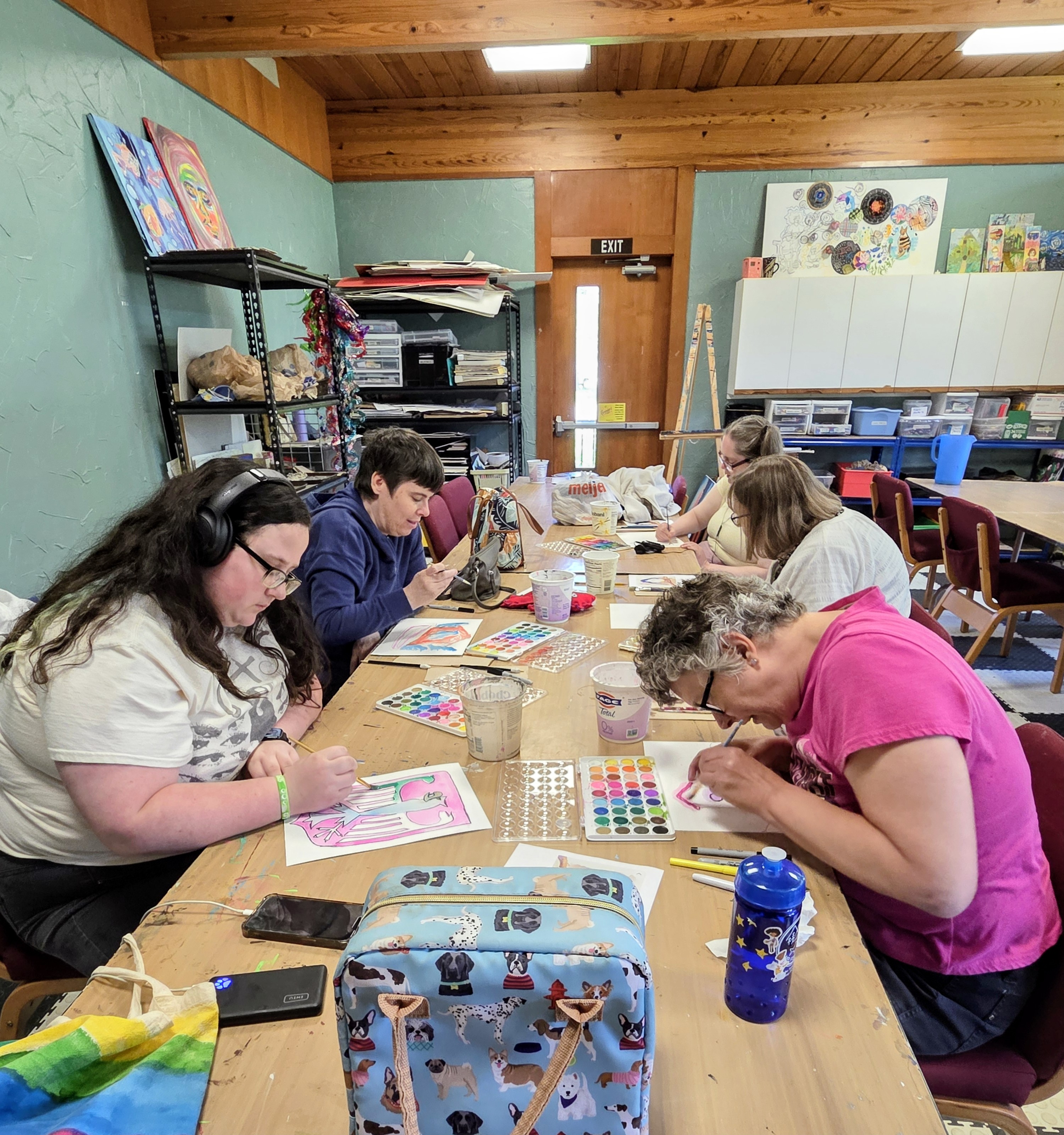
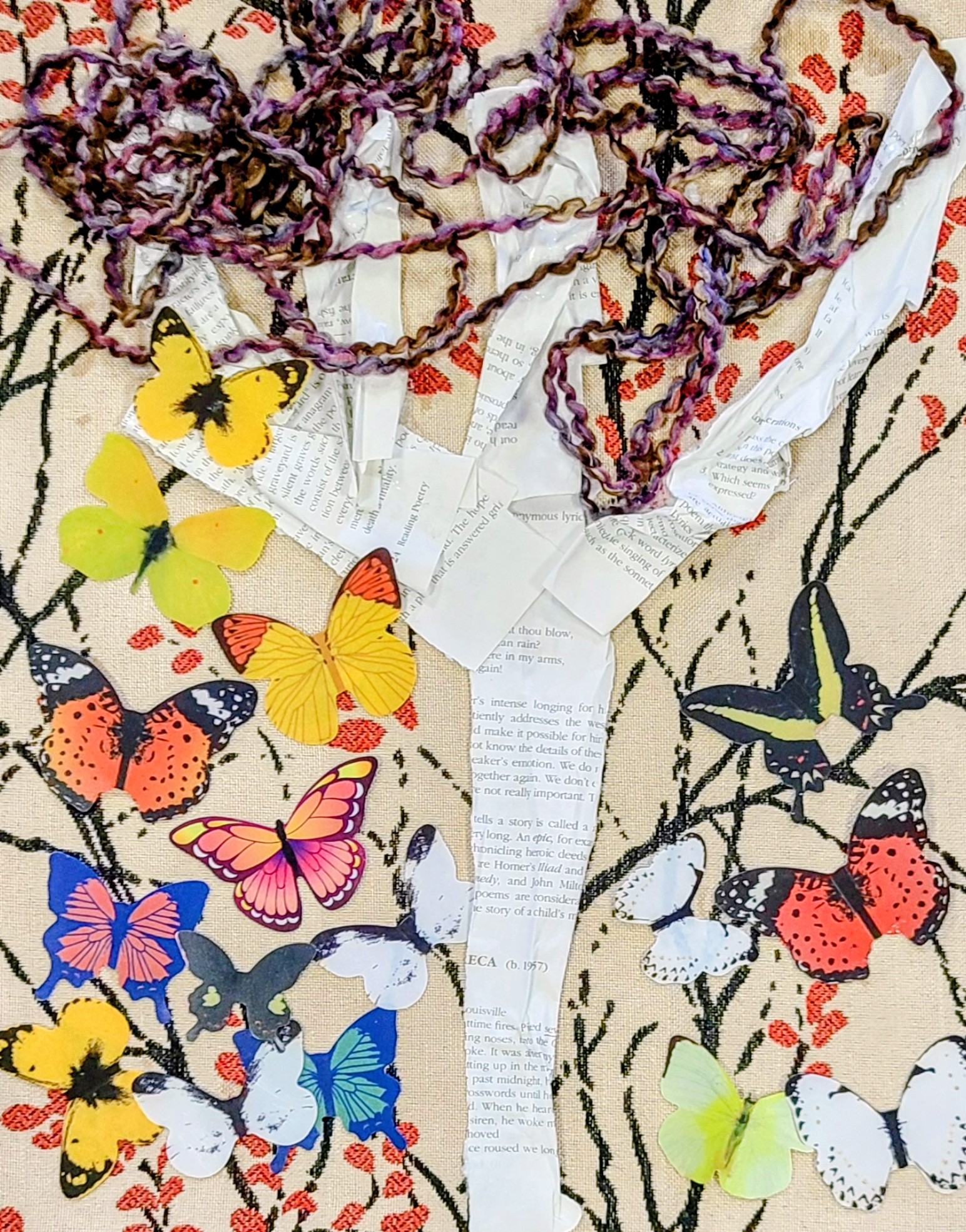
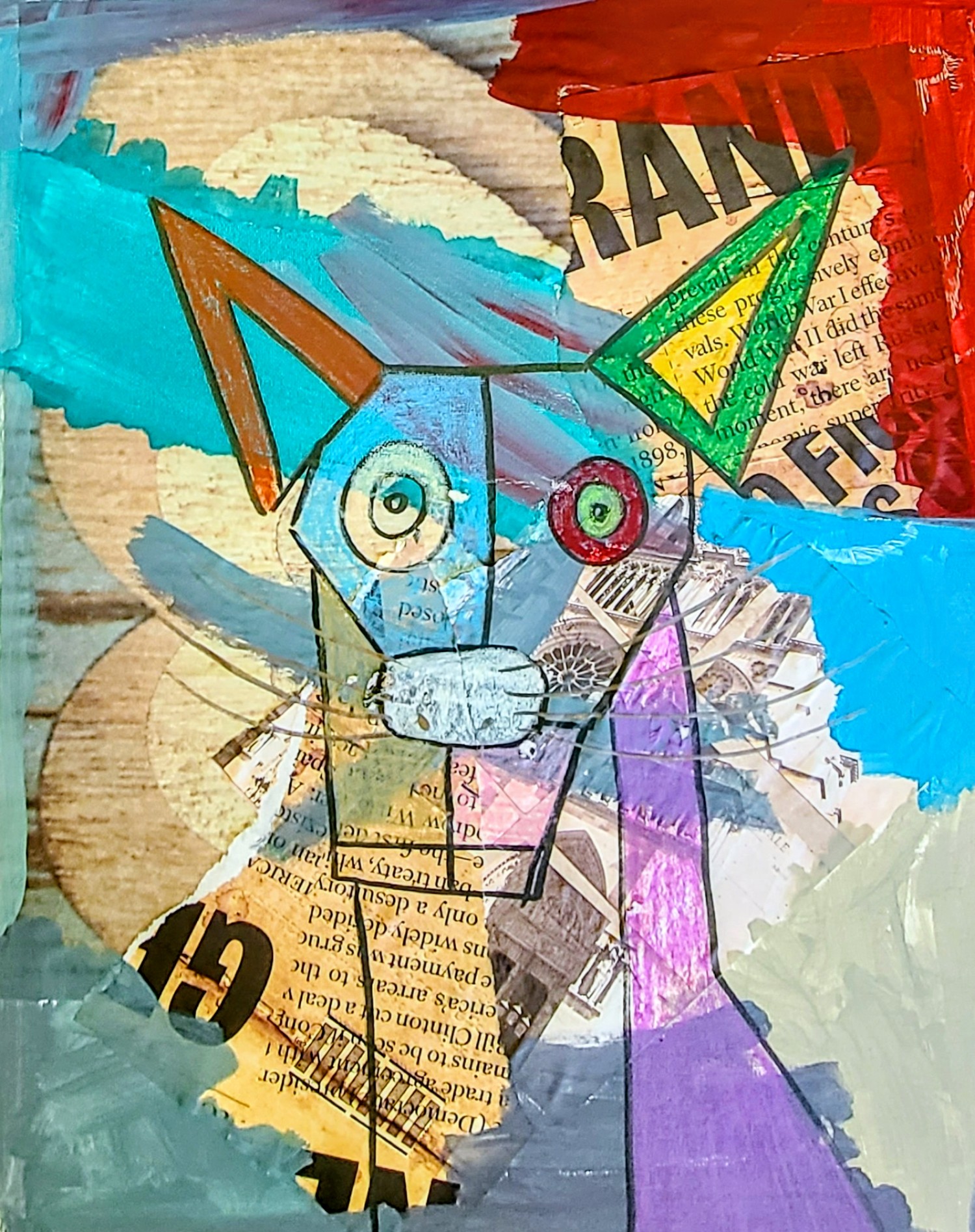
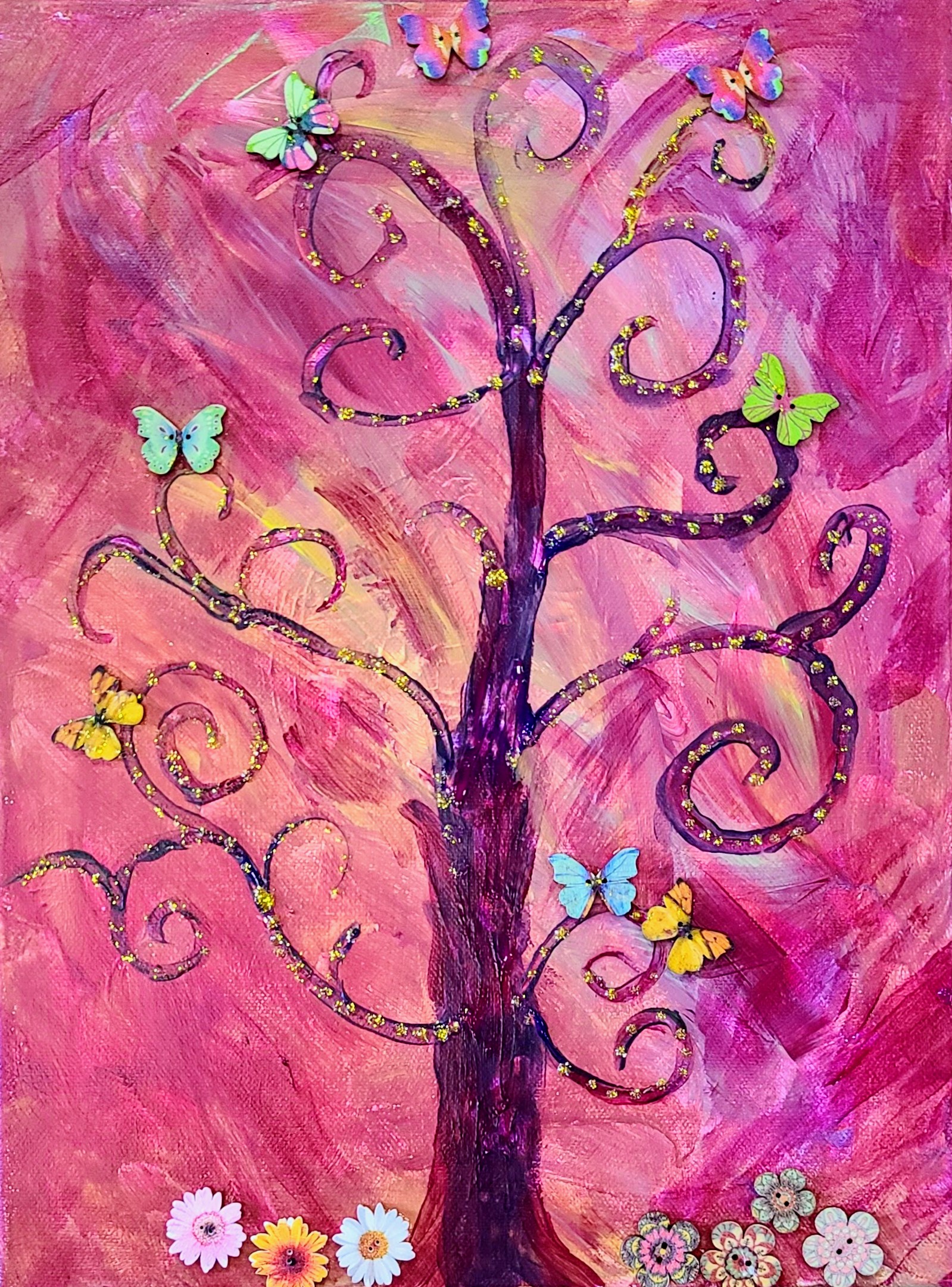
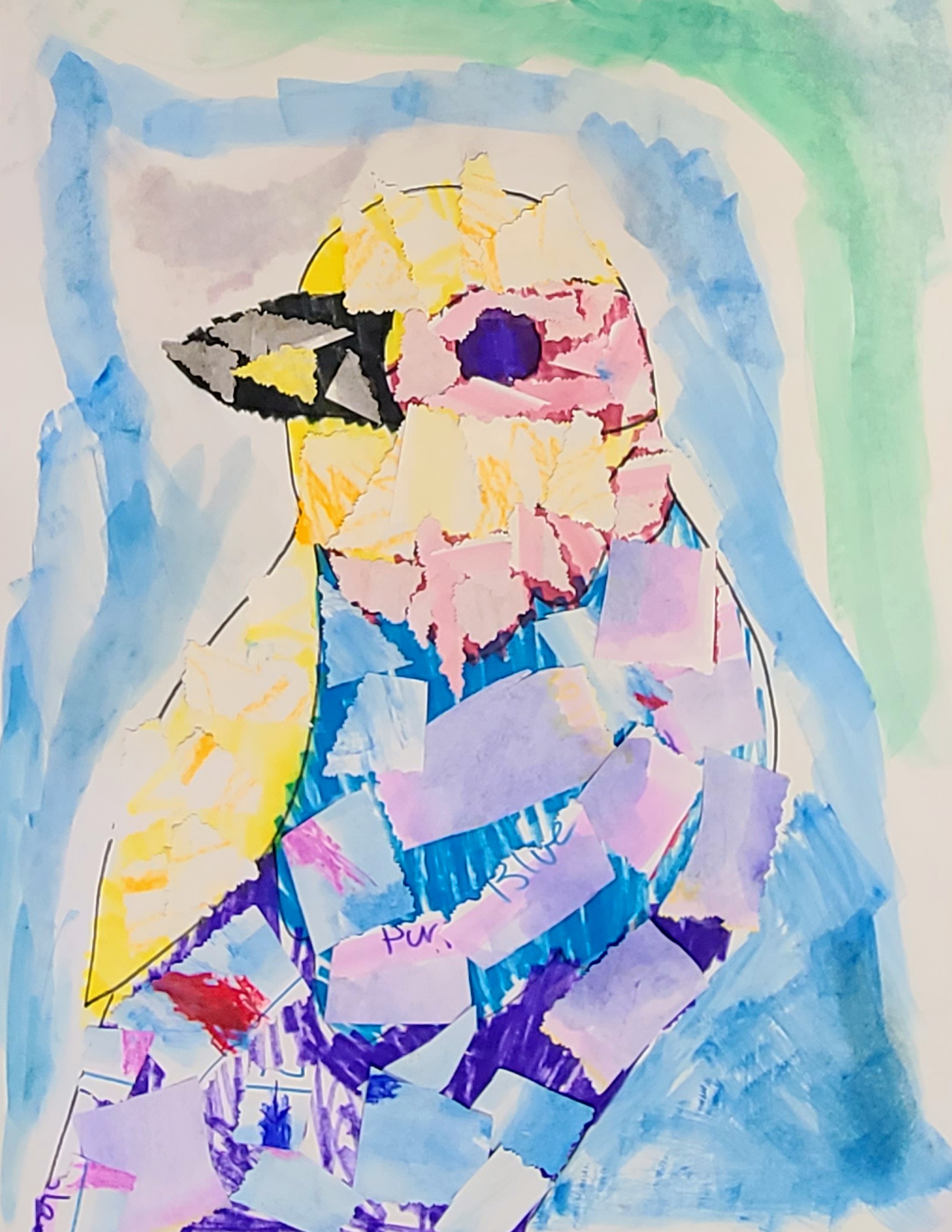
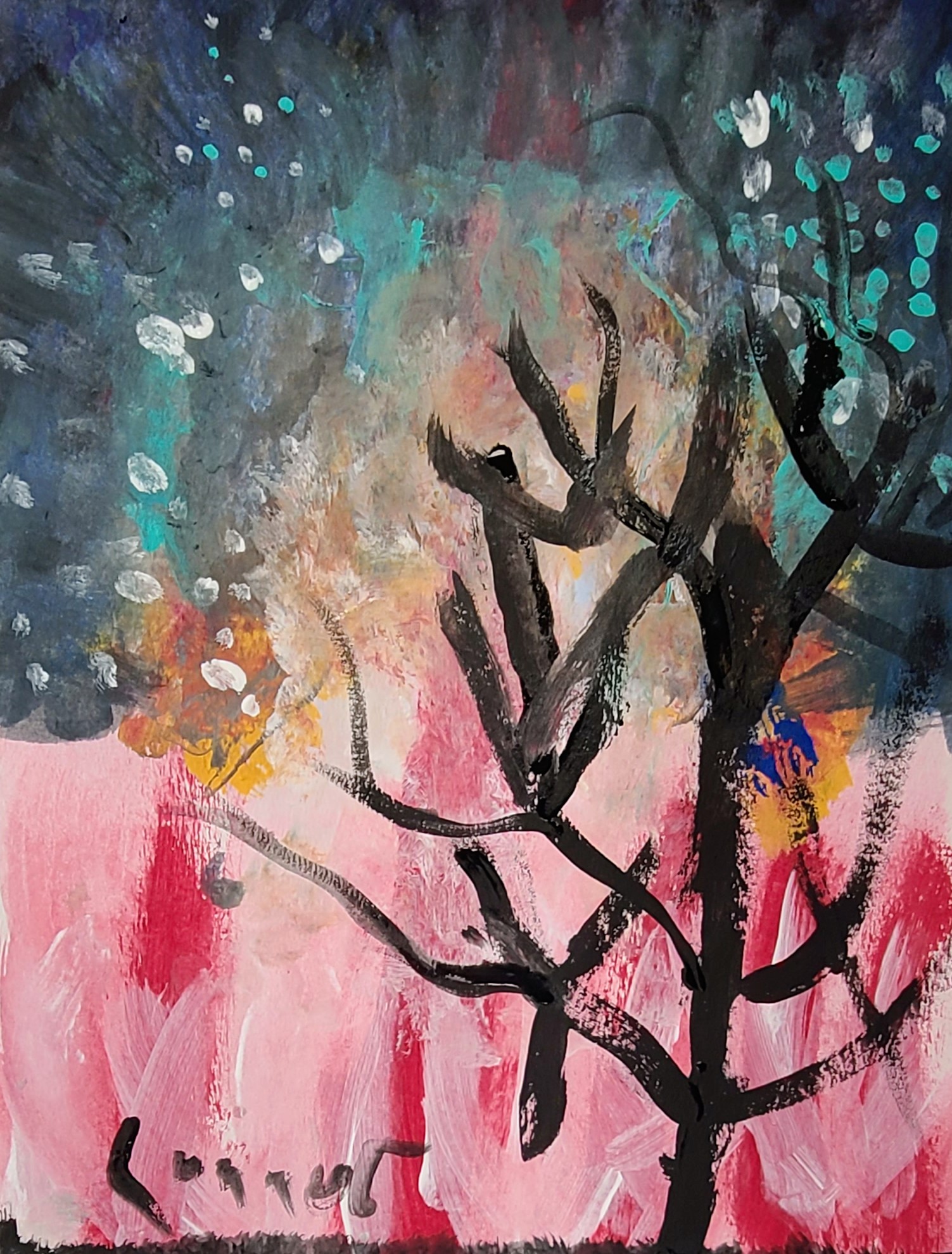
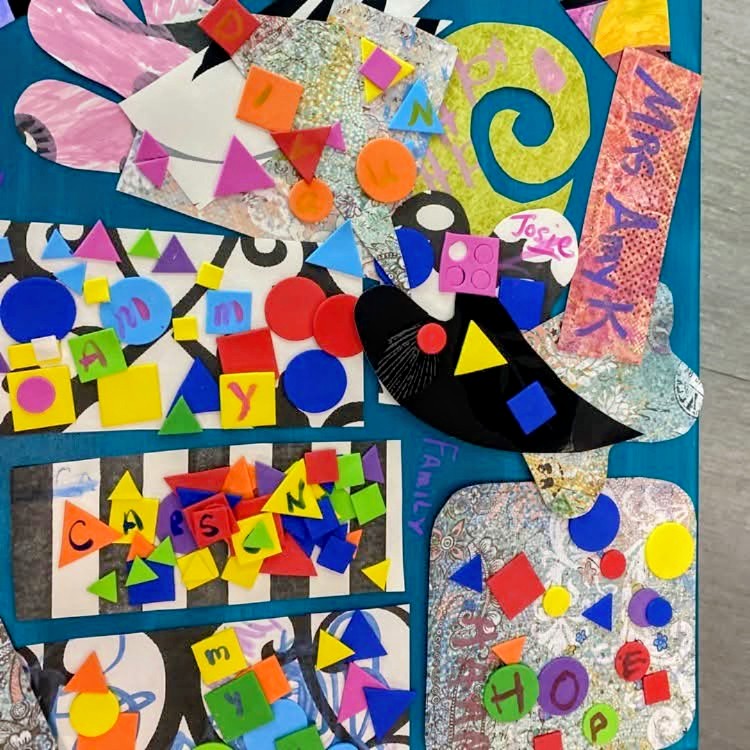
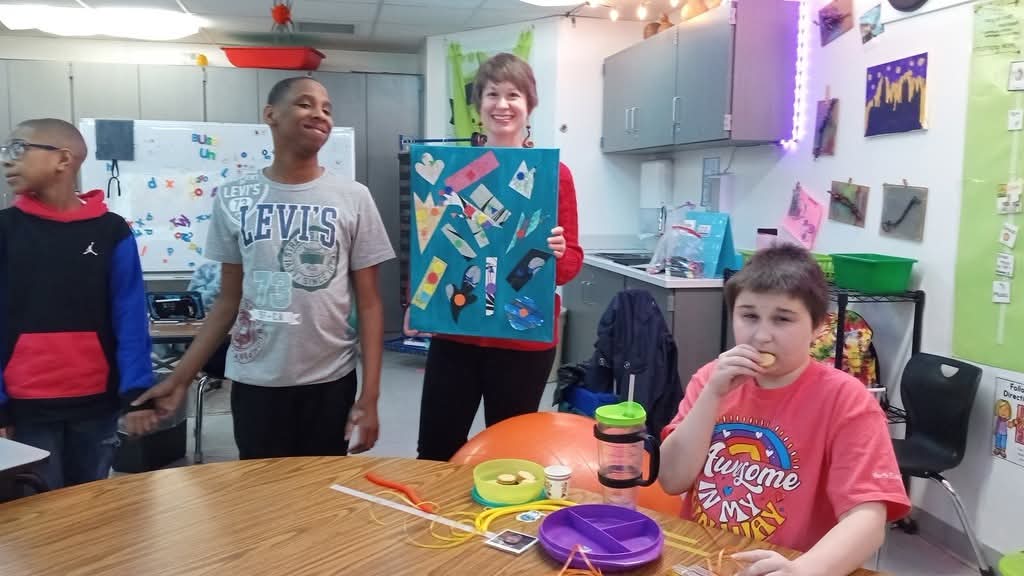
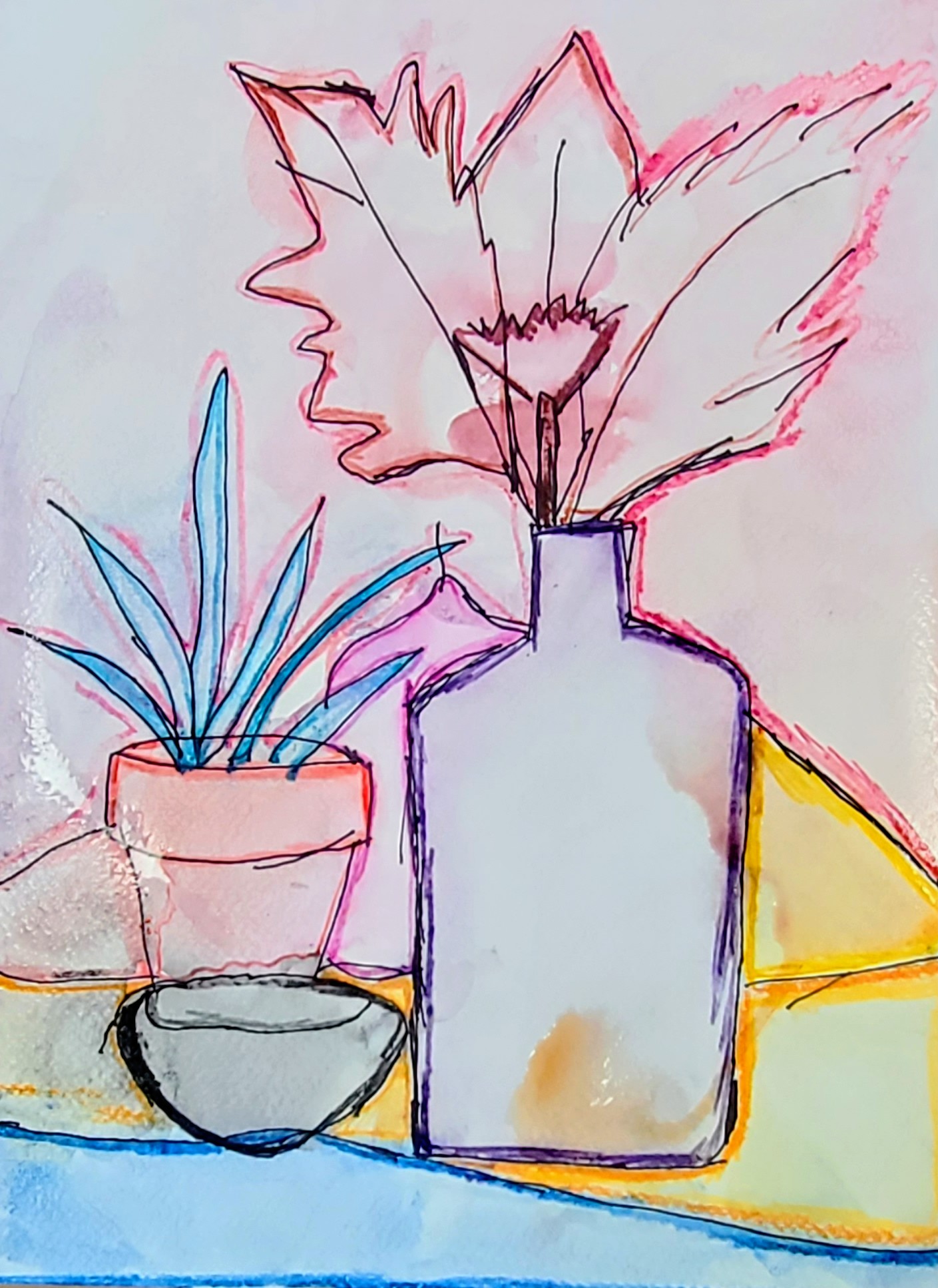
My focus in any of my inclusive classes is helping students create high quality fine art in a way that works for them. We learn about other accomplished artists with disabilities (You can view posts about all of my Creative Minds projects from the archives for examples of these lessons), and we learn that many artists from the past and present got help finishing their projects and had teams of assistants, so help is ok!
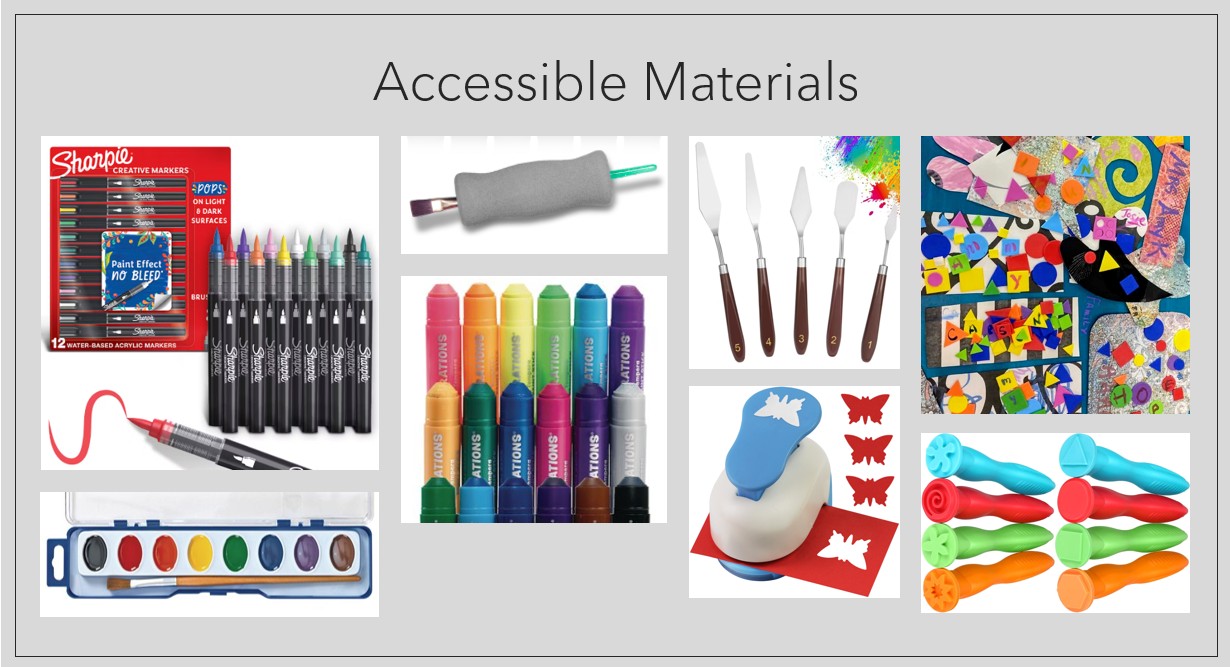
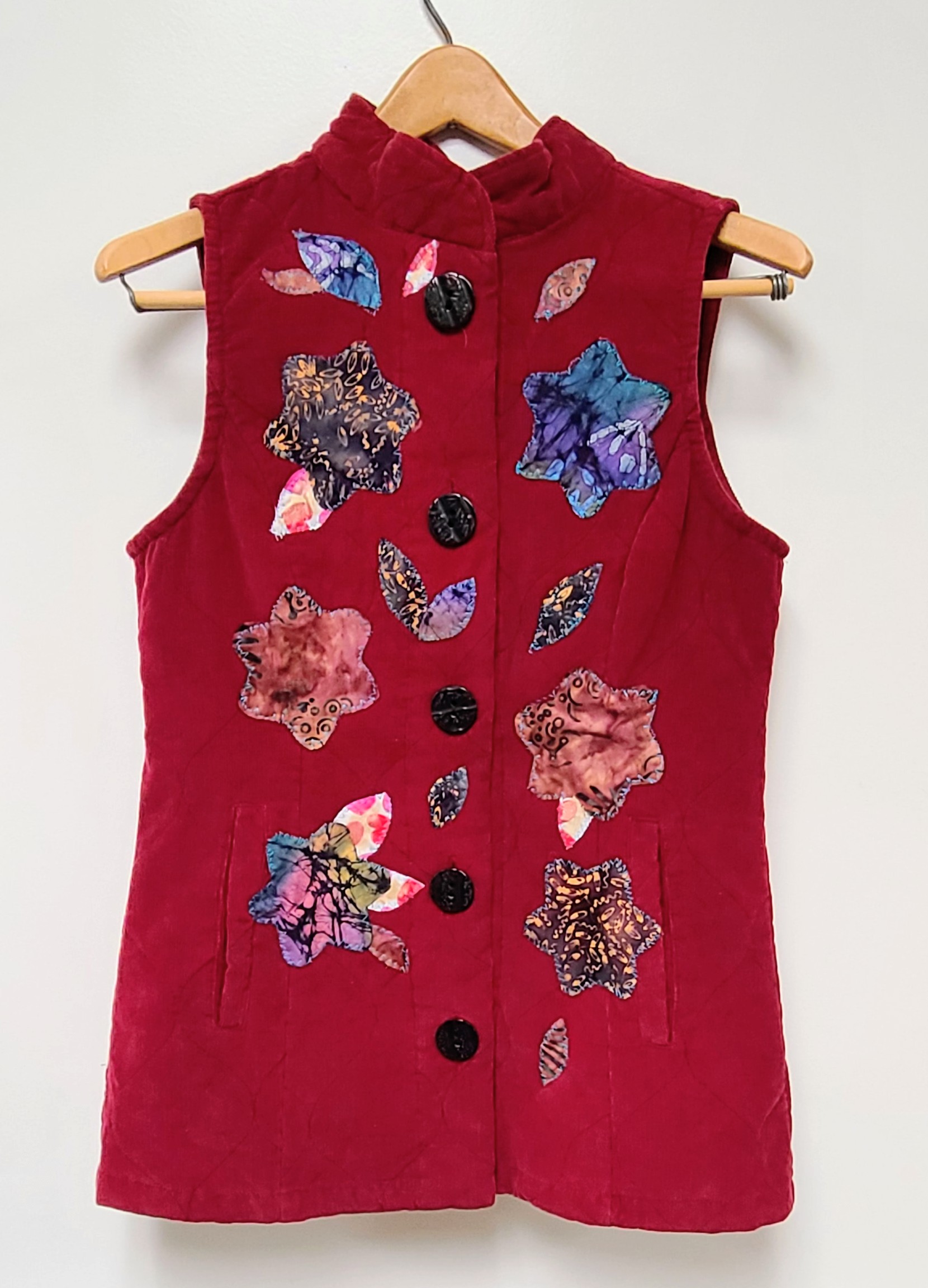
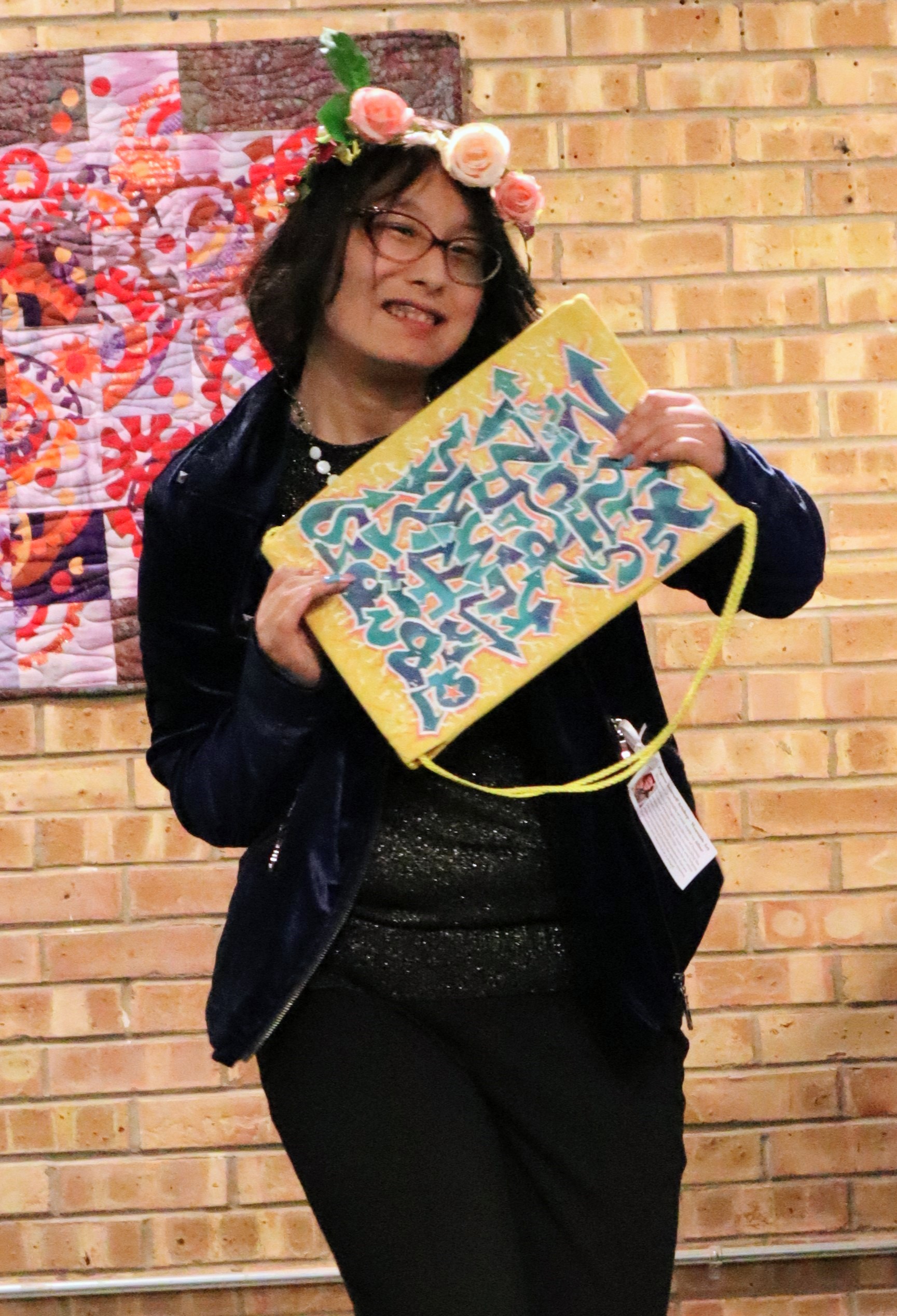
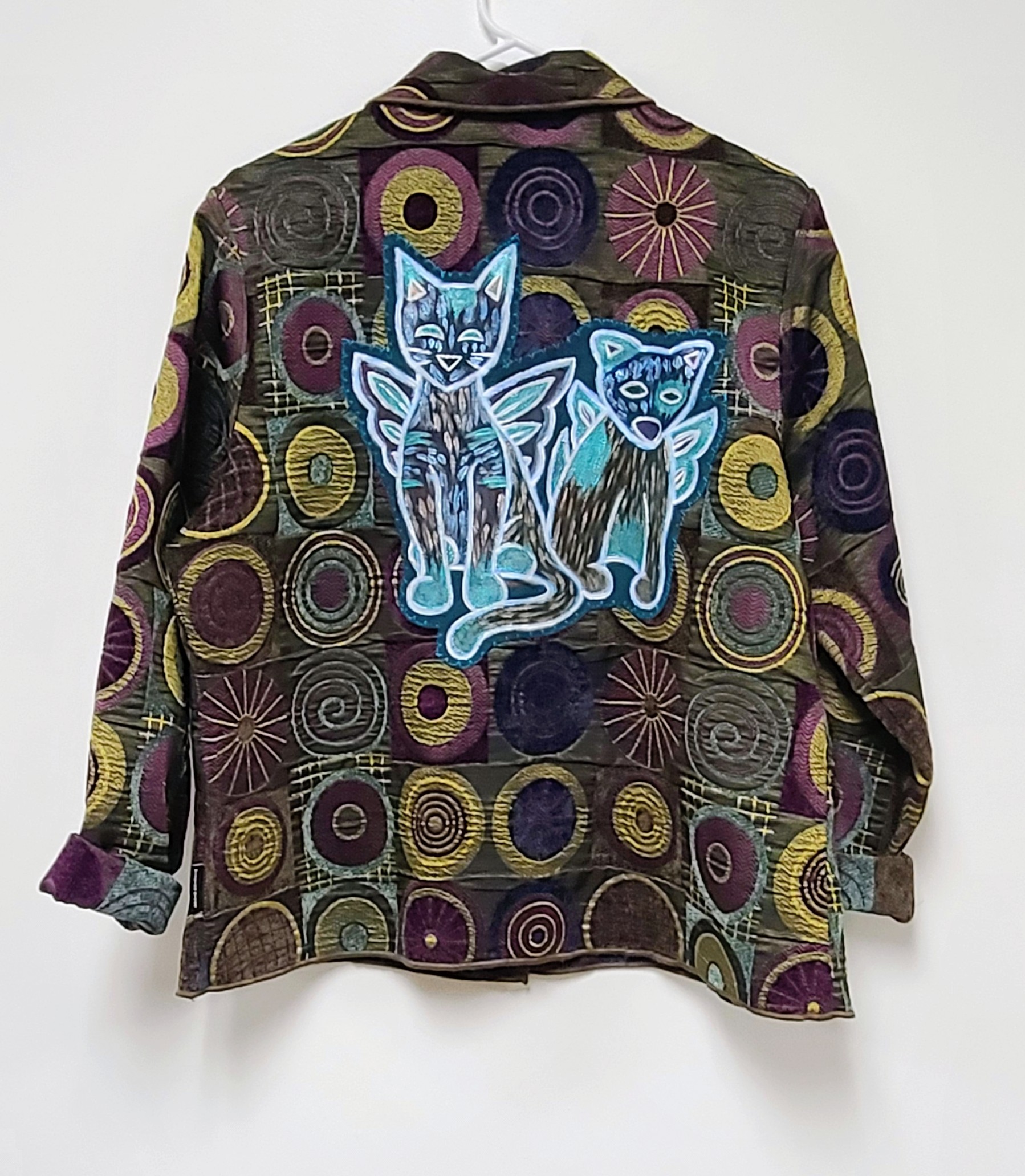
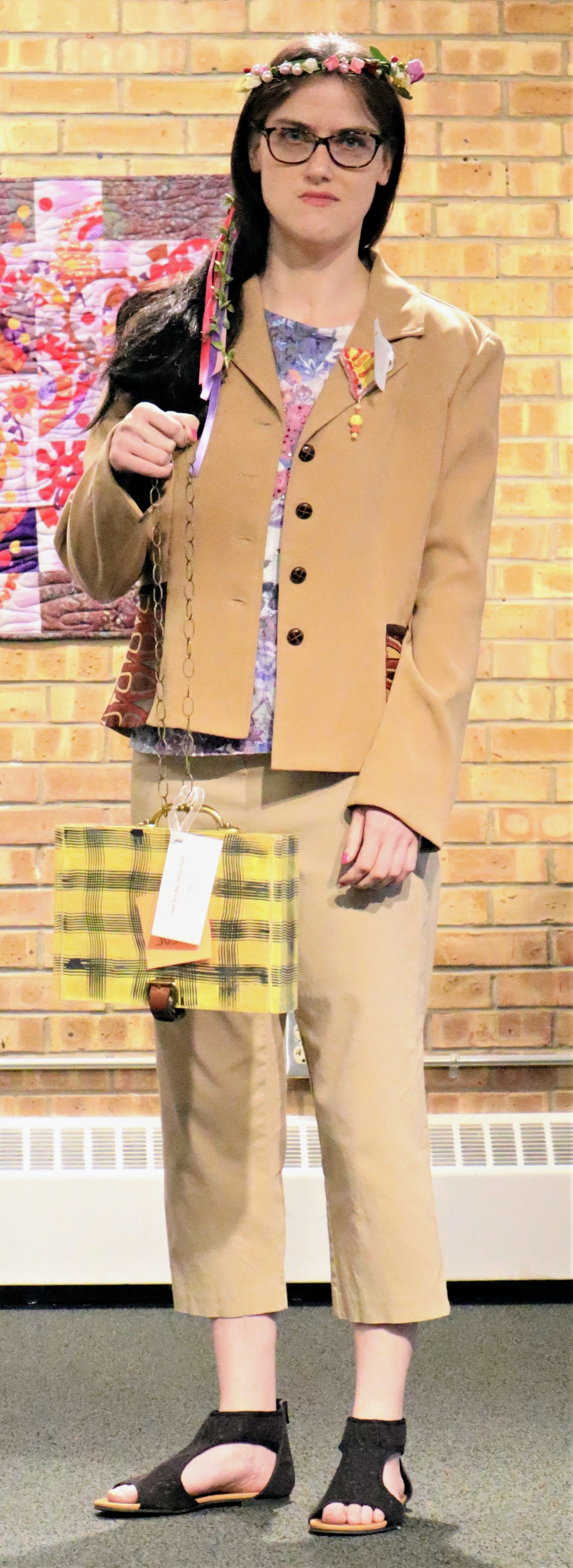
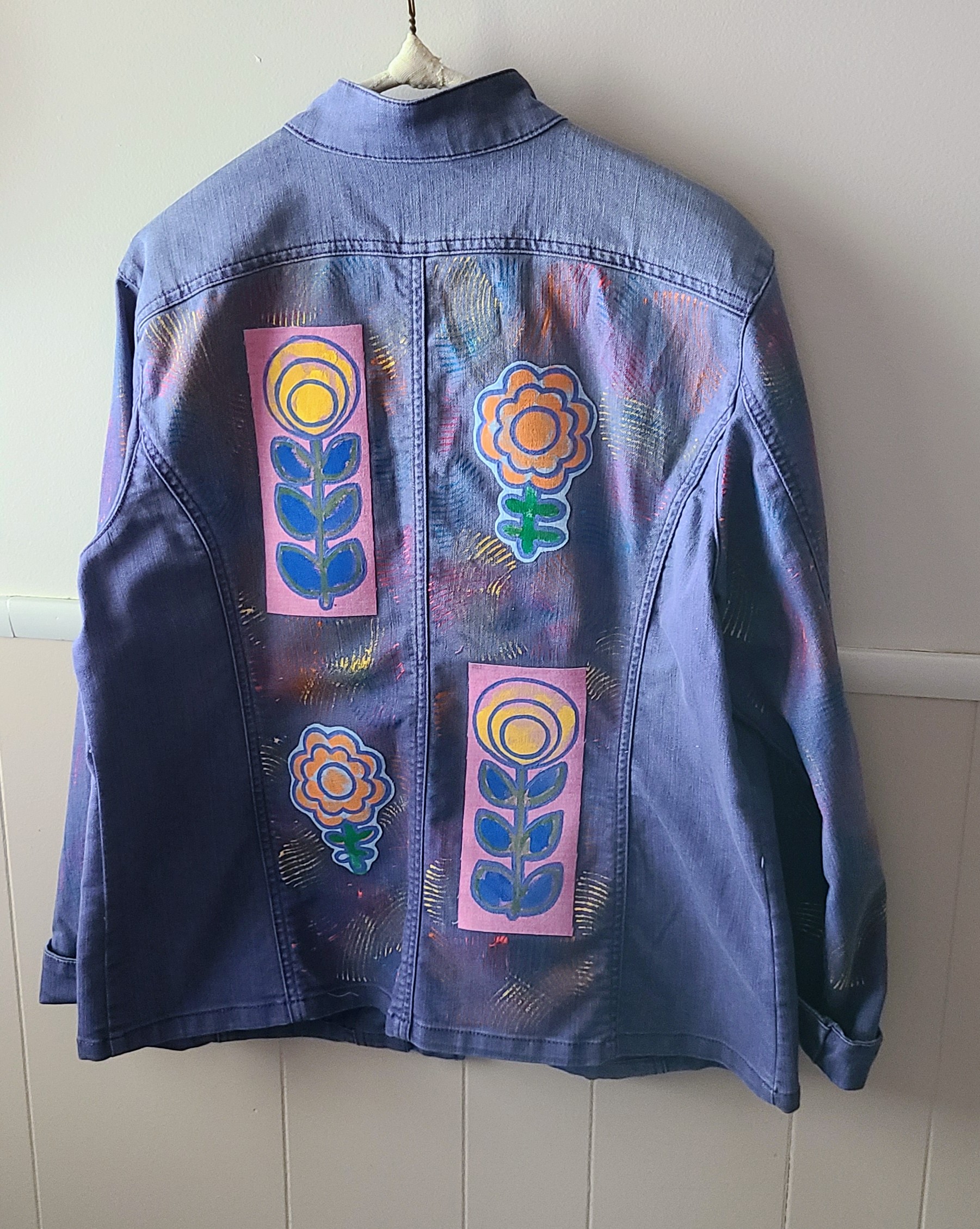
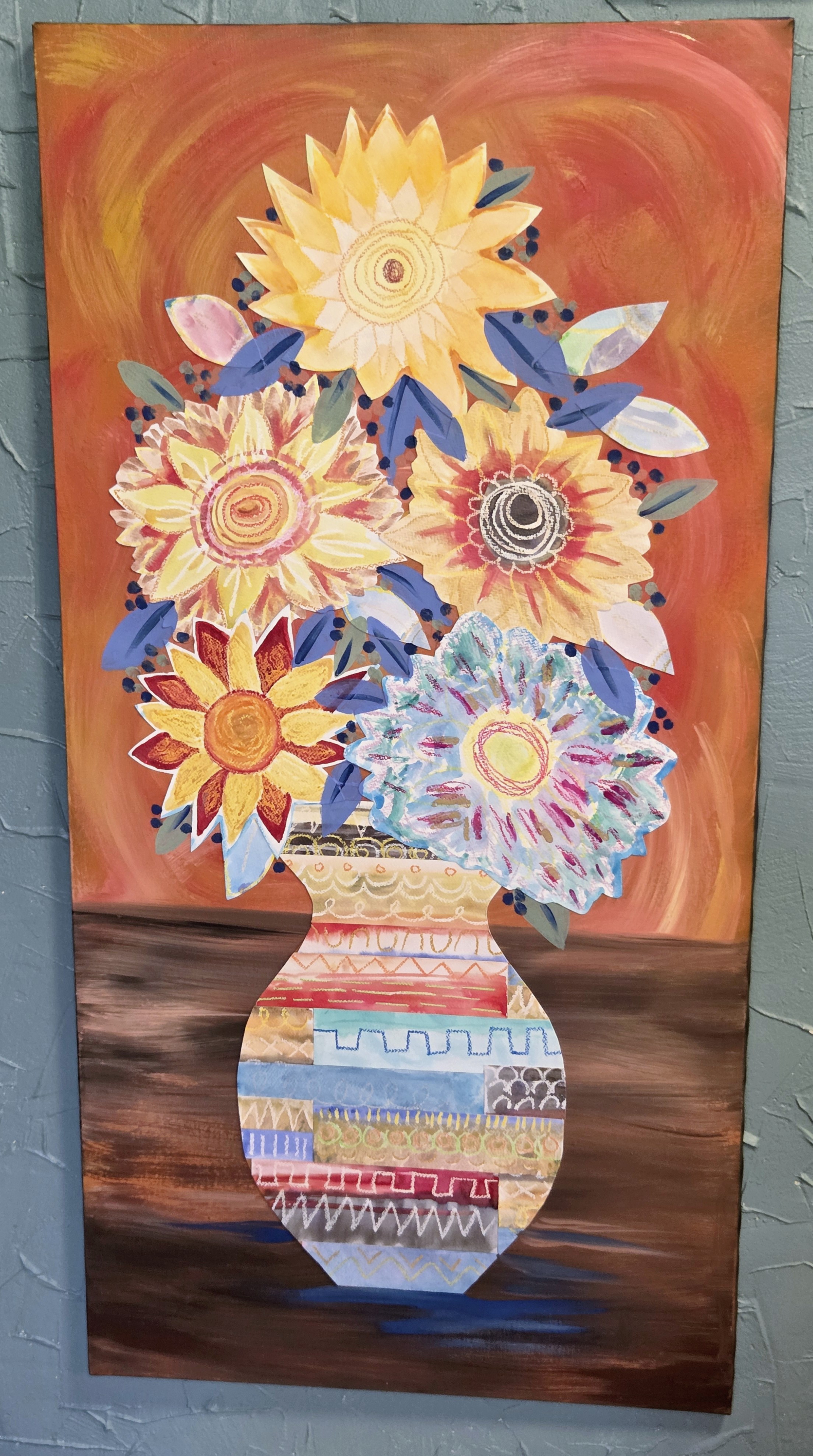
There are so many great tools for those that struggle with dexterity or sensing pressure with their hands, and mixed media art especially is a fantastic medium because it allows students to use whatever materials work best for them for each part of the project with no limitations: this includes using collage elements for things that may be hard for them to draw. Wearable art has also been a fun endeavor, and 5 years ago we even had an Arthop fashion show! Stencils and fabric collage are great ways to allow those who may not be expert painters to still come up with something amazing. I also have students do abstract painting on fabric, which I then cut up and sewed to jackets in panels. I am currently in the middle of another wearable art endeavor with a local youth program, so be sure to follow for more news and of course fun photos soon! Please view the slideshow above for examples of some pretty amazing student artwork from over the years.

Art creation eases anxiety and tension, provides opportunities for community and friendship, connects people from all walks of life, and even helps improve fine motor skills. It is a practice that has so many benefits for anyone and everyone, and I am so happy to make my life’s work making art accessible to everyone in our community. Art is for everyone!

Standard
Artist Bio

What To Do When Your Brain Says “NOPE!”

Some spicy discussions are happening about what classifies as an actual disability, and when accommodations are reasonable just as we’ve tied up Disability Pride Month after a video of a distraught young woman shared an unpleasant job interview experience. She was allegedly yelled at by the interviewer after being asked if there would be leniency and accommodation for her time blindness. Being tossed around are accusations of faking disability when one is really just lazy, “this never used to be a problem!”, comments of how this younger generation has no resilience or willpower, and more.

I’ve worked with individuals with disabilities for over a decade now, and I can say that time blindness can be a very real thing. It is often a symptom of ADHD (though, nothing is across the board – I also know people with ADHD that are early for everything!). It is fair to say we are seeing more cases of ADHD now, which is why this and other issues may seem more common. Whether that can be linked to the different way we interface with technology compared to the past, diet, the fact that are school system is built upon making children sit in one room and listen to someone talk for 6+ hours, or other factors I’m not going to get into because I’m not an expert so what I have to say would mostly be speculation. I also think it’s fair to say we as a society are struggling with resiliency, but I’d also argue life has become exceedingly more complicated, and resiliency is really a moot point when your brain just won’t cooperate with you on a given task. I’ve had employees work under me who I would legitimately have to remind on a weekly basis when they were to come in to teach their class, even though they taught at 2:00 on Tuesday for example, the same time every week for 4 months. At first I thought they were putting me on, until I realized they honestly couldn’t get a handle on remembering their schedule, even sometimes after writing it down.

I have my own “stuff” as we all do, and I can tell you there is nothing more infuriating and painful than repeatedly being told you’d be better at something if you’d only try, when you have poured every fiber of energy you have into trying only to see no improvement. I have a funny little thing that is referred to in layman’s terms as “location blindness”. What’s interesting is, usually people that have this acquired it due to traumatic brain injury, but I just got lucky and have always been like this. I have the complete inability to retain directional information or orient myself in space. I have always had an above-excellent visual memory, so it isn’t like I don’t remember what different places look like, I just can’t fit the puzzle pieces together. It’s all details, no big picture. I have to use GPS to get to the same grocery store I’ve used in town for the past 10 years. When I was first learning to drive, I noticed things just weren’t clicking into place as I’d assumed they would, so I would study directions to places I frequent like one would study for an exam. It did absolutely nothing for this almost straight A student … I still couldn’t tell you how to get from point A to point B. If I get up in a restaurant to go to the bathroom, I have to very deliberately focus on the exact turns “right, left, right again…” that I made as I left my seat and repeat them in my head the whole time like a mantra or I won’t find my seat again, which is always super embarrassing. I recall asking my doctor about it and her saying though the degree to which I seem to have trouble is not as common, it’s not dangerous just wildly inconvenient.

Another struggle that’s a bit less important, wheels and I are not friends. I just barely learned to ride a bike without training wheels before junior high, and I never learned to roller-skate or rollerblade. I made renewed attempts during COVID lockdown when I had copious amounts of time on my hands, and made 0% progress sadly. I recall countless roller arena end of the school year parties growing up, because 90s kid, where I was sitting on the sidelines trying to look like I was having fun and well meaning adults would come up to me and say, “Well I feel bad that you’re sitting here by yourself, but we all make choices about what we want to spend time practicing …” If looks could kill, well …

Oftentimes I wonder if these two funny little mental blocks are related, as both seem to have to do with orientating oneself in space, one physically the other mentally. Who knows … The whole point of these odd little tales is to illustrate the fact that sometimes our brain just says “NO, I WILL NOT,” when it comes to certain things. It’s more difficult when the things our brain refuses to do are common skills that it seems like the majority of others have no problem with. Most people that don’t understand a mental block or question its validity aren’t actually trying to be jerks, they just honestly don’t know what they don’t know. And yes, it’s ok to ask for accommodations and sometimes it will be necessary. However, when we can come up with tools and tricks for ourselves to get around our brain’s refusal it’s not just about pleasing other people. Doing this will also make our own life way easier and less stressful. For my location blindness, aside from using GPS I can when possible check out new locations ahead of time if I have to be there for something important, and leave early enough to accommodate for directional errors or unforeseen circumstances like construction that may throw off my route. Saying “Well, I guess someone has to drive me everywhere because I can’t do this” would only hurt myself and my ability to have a life at all and enjoy opportunities both professionally and for my own pleasure. With time blindness, alarms and reminders can be set to assist with being ready. Even if you have to set 15 alarms before work in the morning, one for waking up one for brushing your teeth, another when it’s time to make breakfast, and so on to dictate the schedule of your whole morning routine… do what helps no matter how silly it may seem to other people. Conversely, when someone shares that they are struggling with something, believe them. There’s not really any logical motivation for faking a difficulty when of course we’d all prefer that everything came easy to us.

I had the wonderful opportunity to lead a community mural in Madison Heights for their ADA Pride Celebration the end of last month, the prompt being “If the inside of your mind were a physical place, what would it look like?” This concept really connects well to these thoughts I’ve just discussed … We don’t know what the landscape of each other’s minds looks like, so listening before assuming is always best.

I will be part of a show at Creative 360‘s satellite location in downtown Midland opening mid this month that celebrates neurodiverse creators and creators with disabilities, so if you are in the area be sure to visit!

What is a struggle you have that you wish there was more understanding about? Let me know in the comments.

Standard