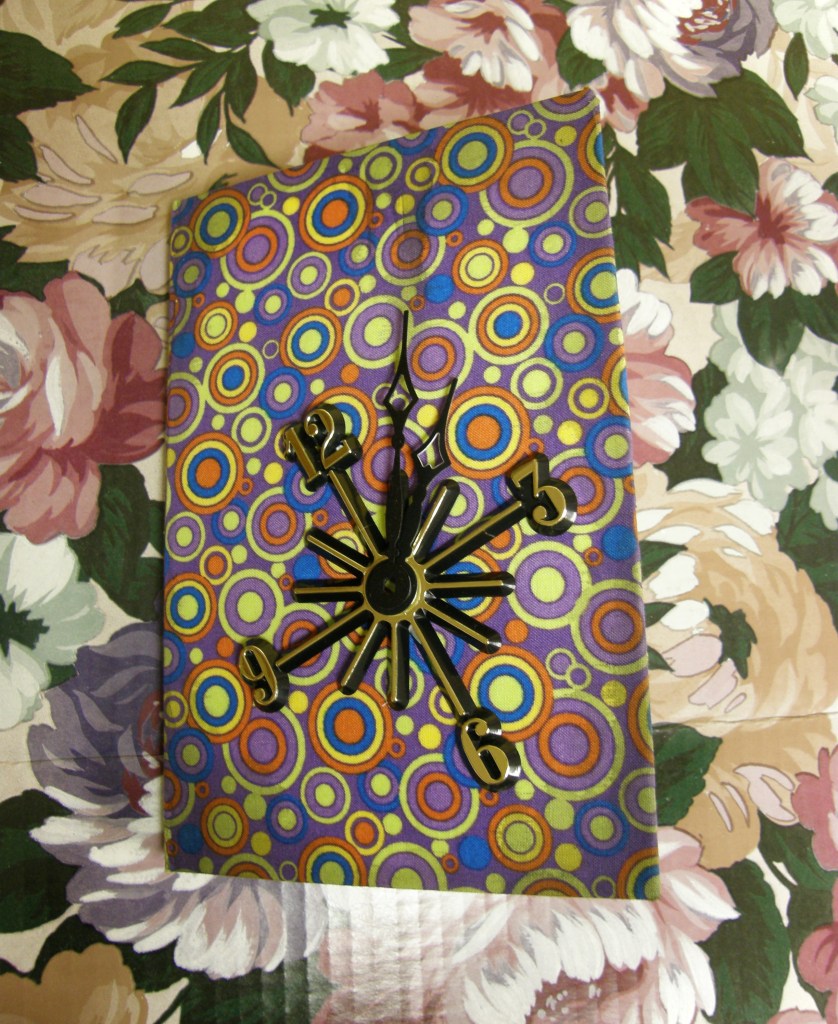
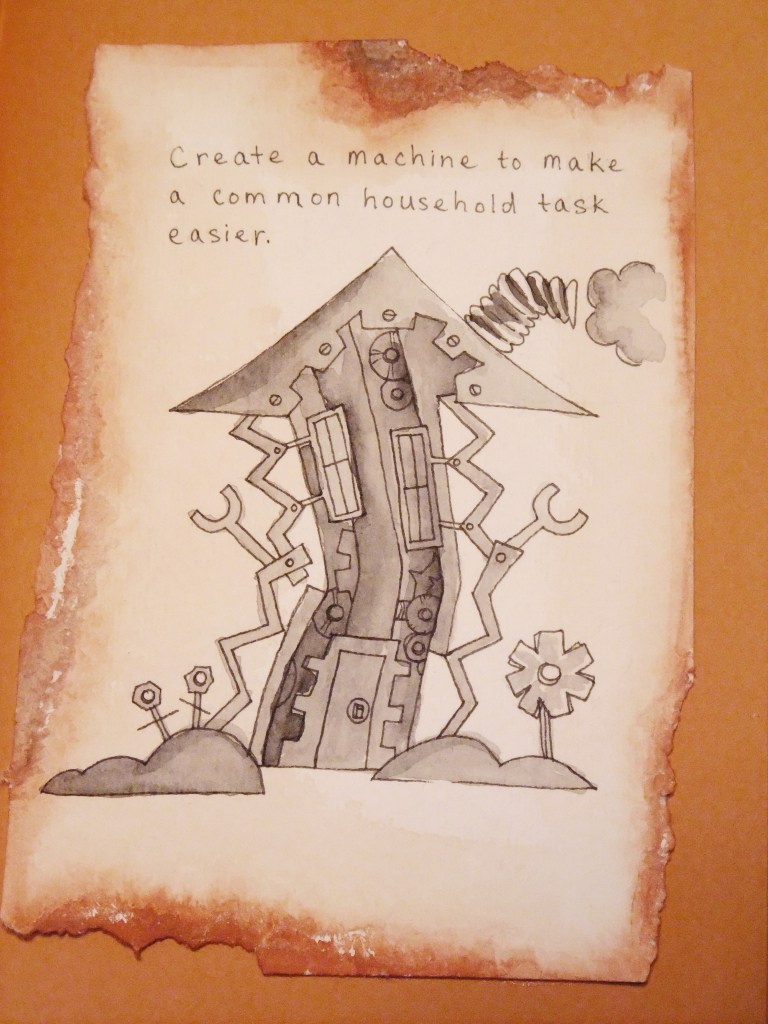
An artist friend recently shared with me an article they wrote titled “The ABCs of Underground Art”. I really enjoyed it, and they encouraged me to write my own ABC’s of the type of art that I do as a fun journaling prompt to use to unwind and organize your thoughts. Those that have followed me for awhile know that I don’t typically stick to just one type of art, so to open up the limits I decided to make my “alphabet” the ABC’s of Creation. I have assigned a word to each letter, along with a video of my illustrating a cool little ACEO sized letter inspired visual to go with each word. Read, listen, or both – whatever works!
E is for Equalize. Creating is a great equalizer in my opinion, because there are so many different ways to go at it even with certain limitations. I work with students with disabilities, some of whom have a lot of trouble with fine motor skills or dexterity. Large, overarching strokes, wobbly lines, lopsided sculpting … Some people try to achieve these peculiarities on purpose! There is a way to make qualities you may view as imperfections part of your signature look. How cool is it that when creating, we can take something that is typically viewed as a difficulty and transform it into something that enhances our end result.
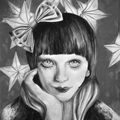
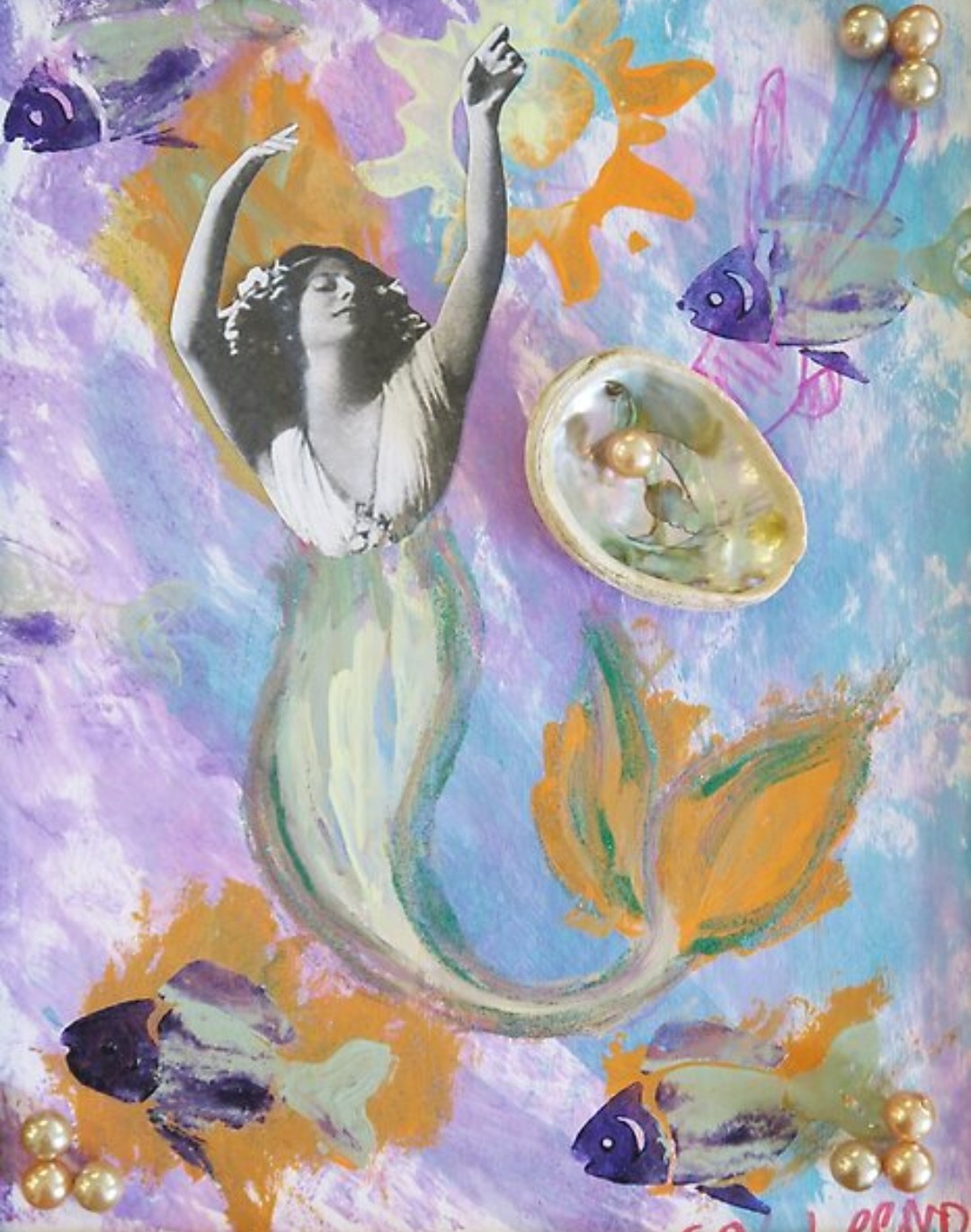
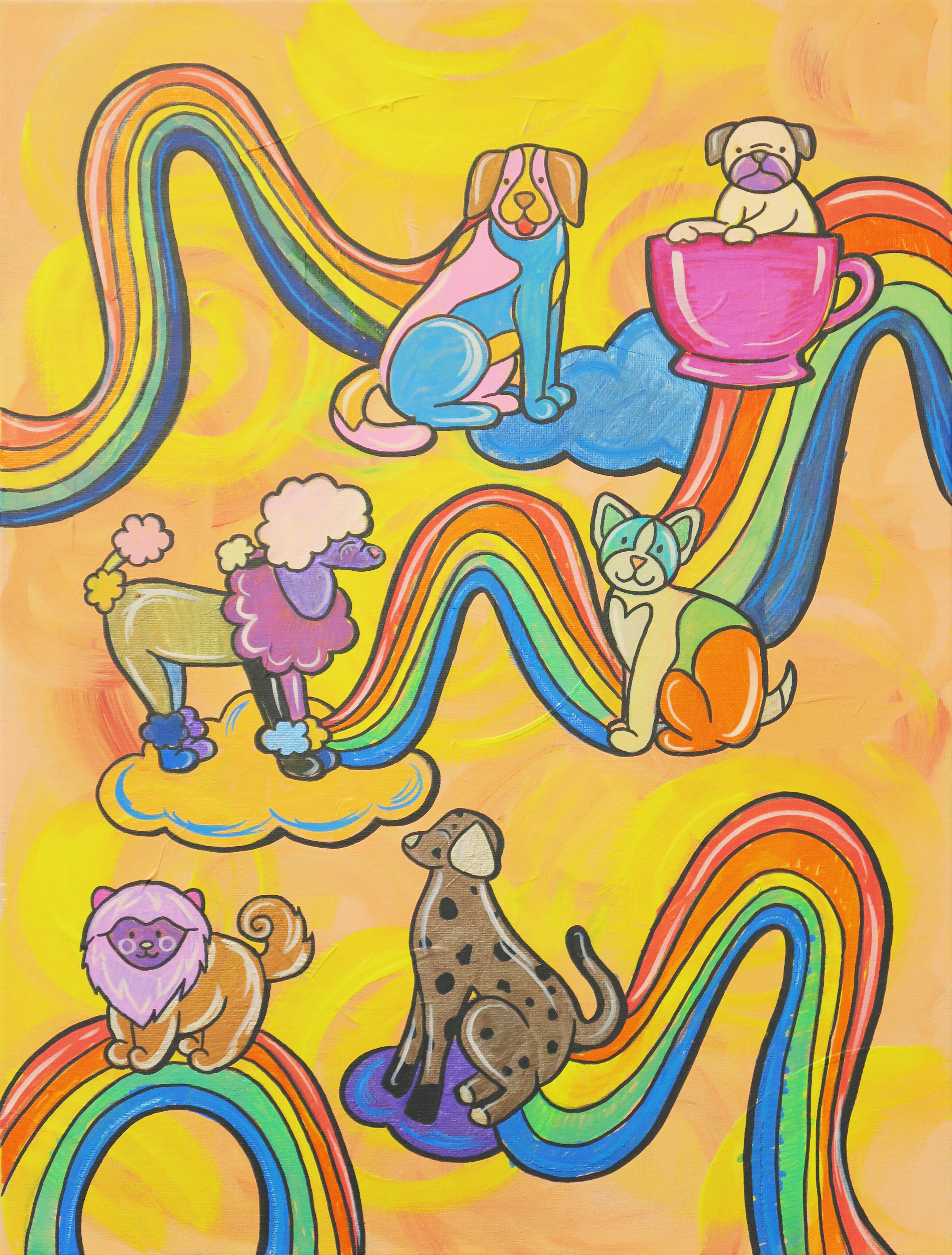
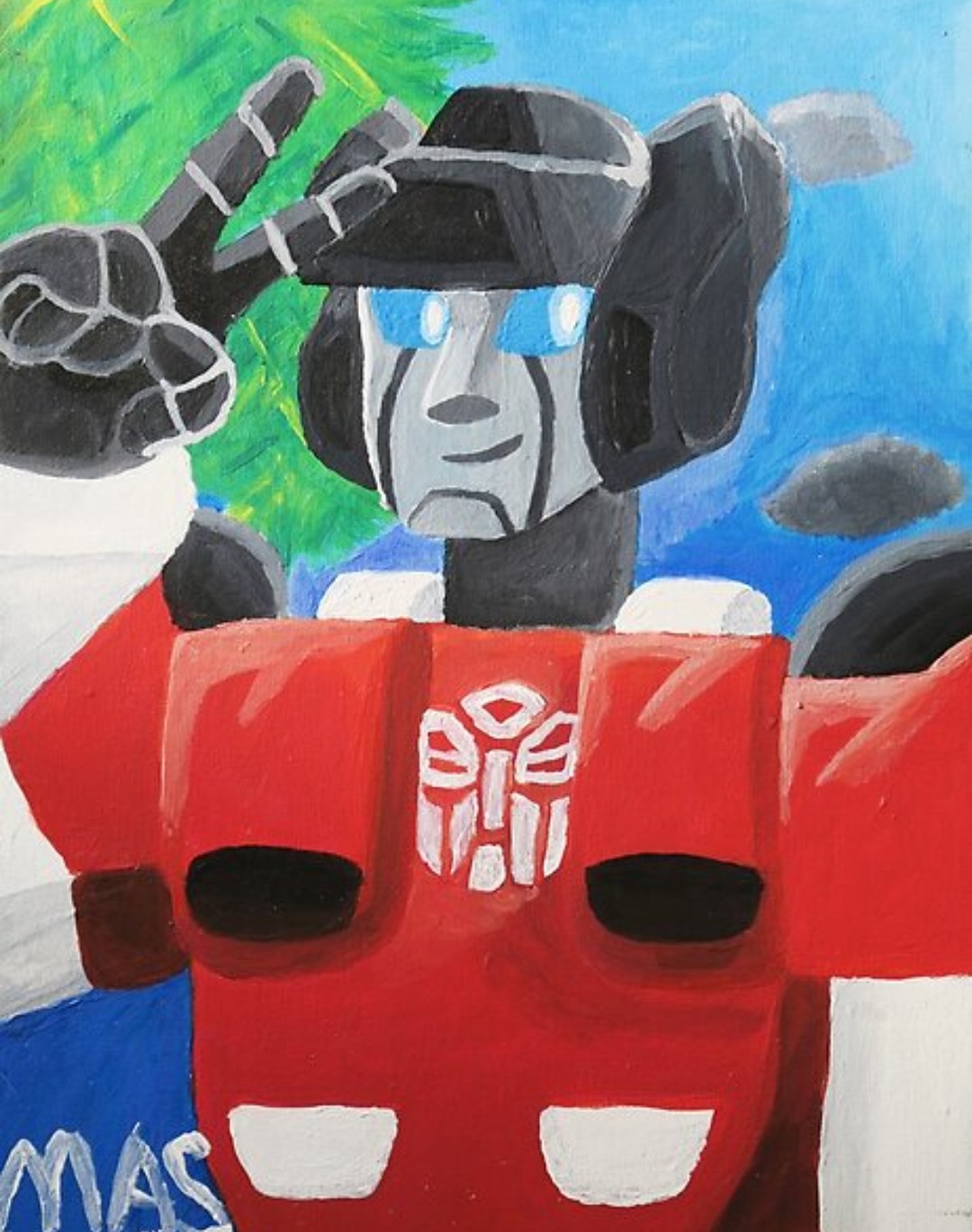
Above are just a snapshot of the beautiful works of art my students have created over the years. I strongly believe that beginning my career as an instructor with the Express Yourself Artshop inclusive program in my hometown (as someone who wasn’t even planning to become an art instructor at that point!) made me a better teacher.
(Psst! We do have a Redbubble Shop as well, if you want to show some love.)
An artist friend recently shared with me an article they wrote titled “The ABCs of Underground Art”. I really enjoyed it, and they encouraged me to write my own ABC’s of the type of art that I do as a fun journaling prompt to use to unwind and organize your thoughts. Those that have followed me for awhile know that I don’t typically stick to just one type of art, so to open up the limits I decided to make my “alphabet” the ABC’s of Creation. I have assigned a word to each letter, along with a video of my illustrating a cool little ACEO sized letter inspired visual to go with each word. Read, listen, or both – whatever works!
D is for Dream. Creating allows us to show others things they could never see in real life. It transports us. The art I appreciate the most takes ideas from reality but uses innovation to present it in a new way. This is the kind of art that makes creation valuable; we can’t just look out the window and see what it is showing us. Not to say realistic things like landscapes can’t show us a new reality, Look at Van Gogh! Creating invites us into the mind of someone else, a place we can’t usually go.
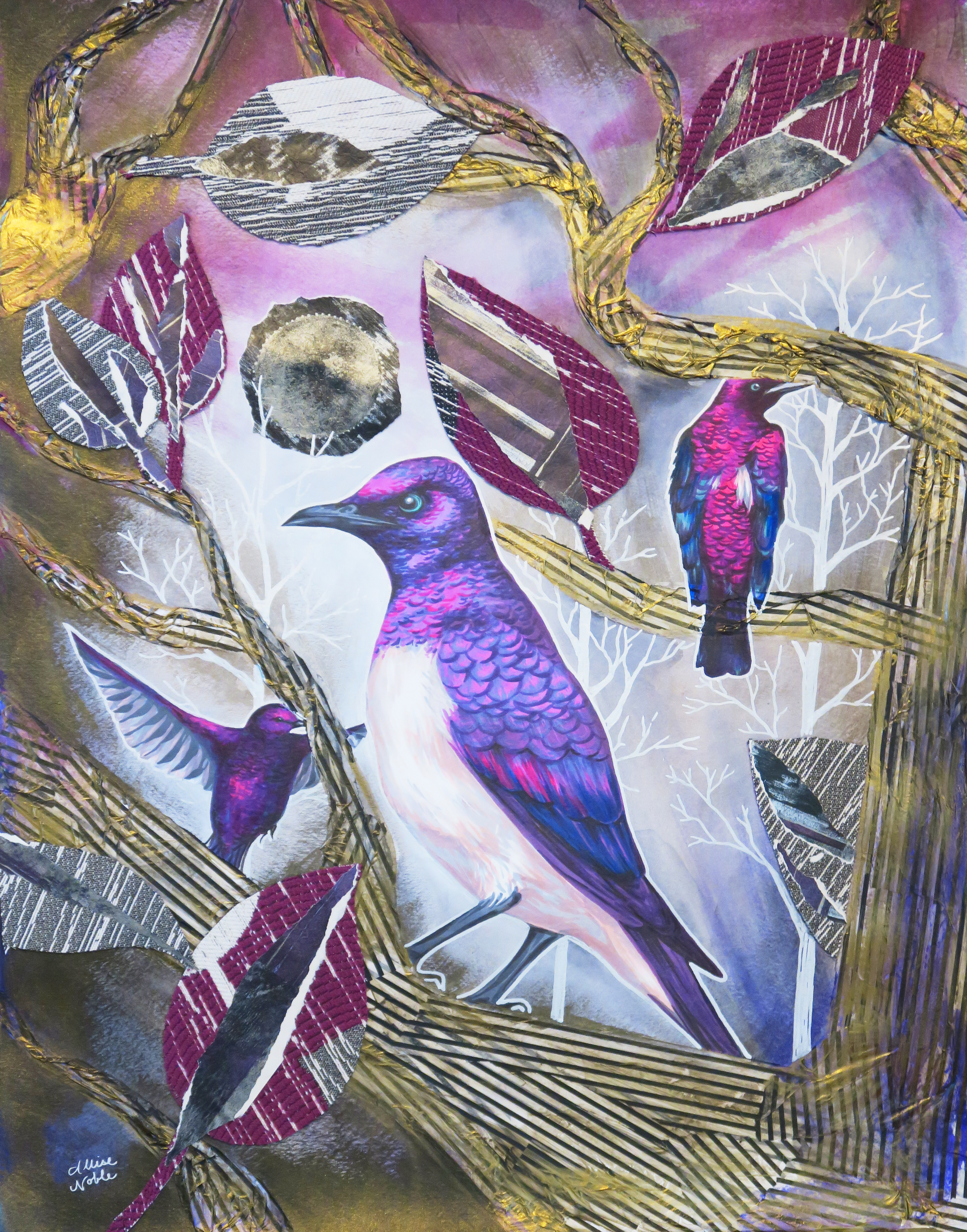
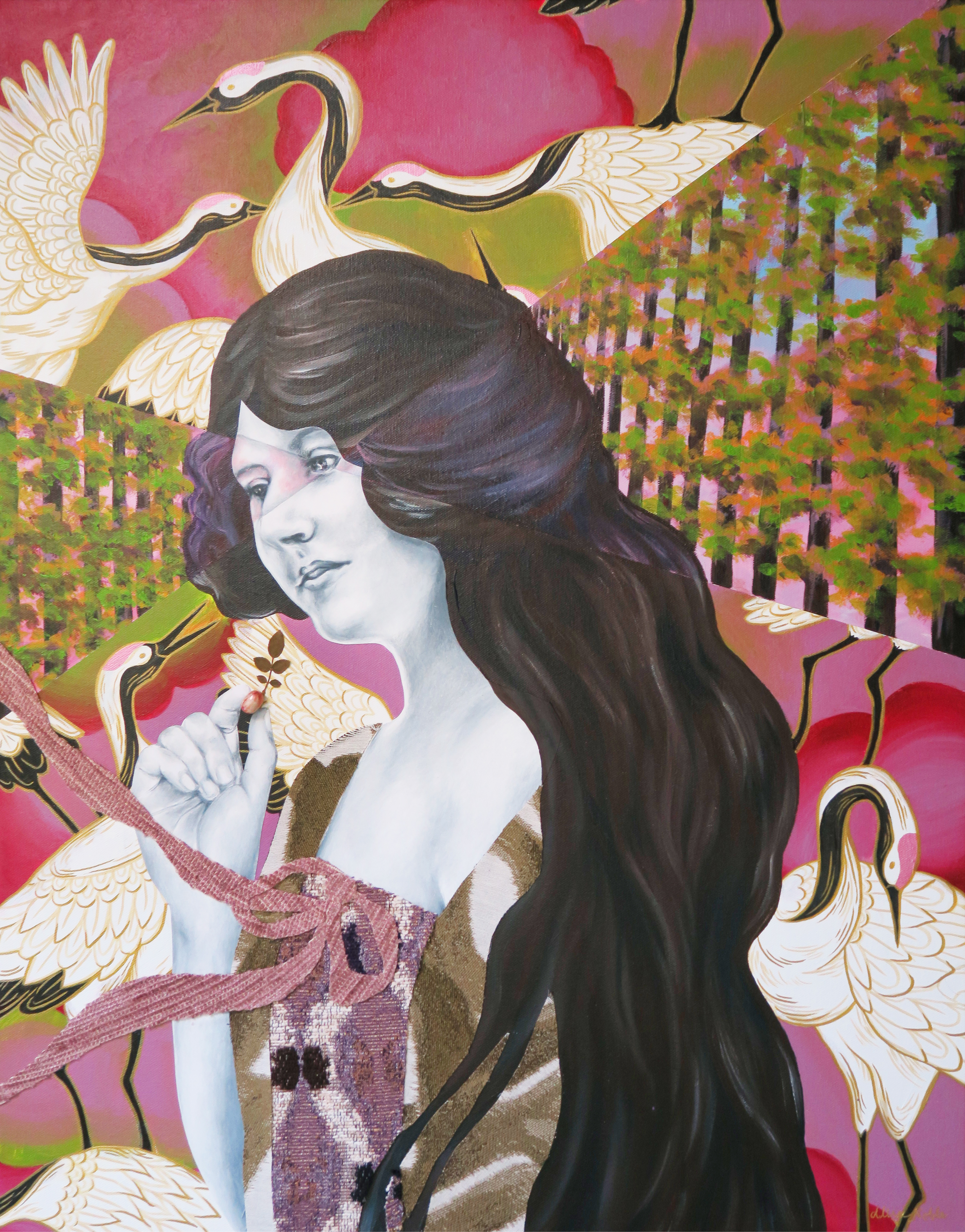
Chugging along rather slowly, I’ve finished the 4th installment of my current Fruits Of The Spirit series, Patience. This is an apt theme, as this series is one of the slowest yet, and I am not used to working slow! Sometimes it really irks me that I’m over halfway through 2024 and have just this month been finishing up some of my started pieces, being used to finishing 15-20 new artworks a year sometimes. This comes with the territory of working larger, and accepting more opportunities outside of my studio like public art and murals, live painting at events, and vendor markets. The 2 works below were started way back in 2021!
Patience is a loaded concept for me, and a lot of reflection went into this piece as there were a number off different directions it could take.
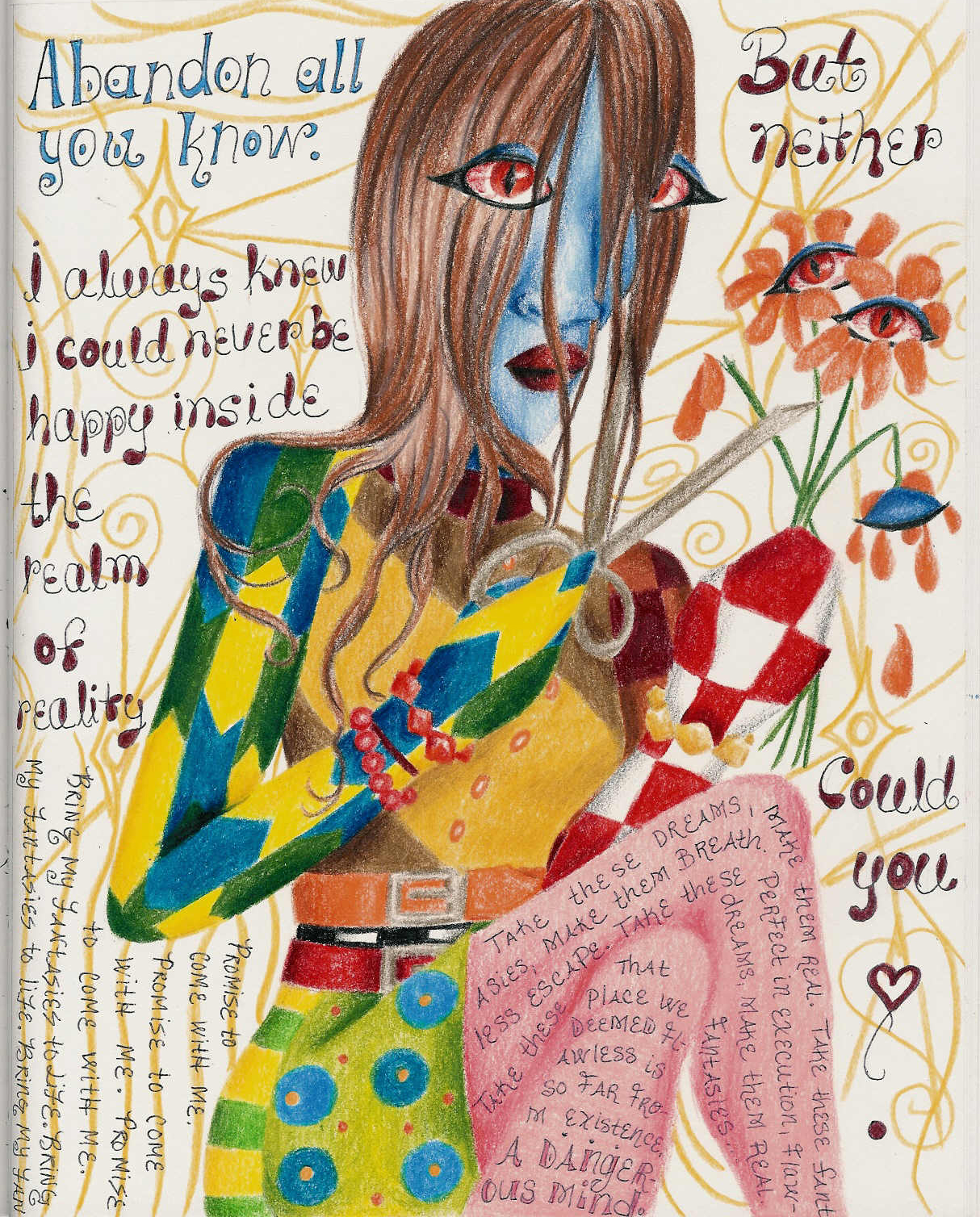
I’m told I have a lot of patience with “difficult” people, and that I have unconditional patience with my students when I’m teaching. I’ve found my particular flavor of patience through working with individuals with disabilities and mental health issues in some of the art programs I teach through, but for most of my life I would not describe myself as a patient person. Though typically considered advanced academically, I was perpetually late to the party where anything else was concerned growing up, or at least it felt that way. Whether completely accurate or partially a perception based on comparison to my friends or peers, this cultivated a lot of internalized anger; last to learn how to ride a bike, last to get invited to parties or social gatherings, last to go on a date, last to see their favorite band live, last to land a ‘real’ job, last to … I know this is a relatable feeling for many, but to the individual in the moment it feels like life is just passing by. When these typical milestones that may seem insignificant individually keep cumulatively falling by the wayside, it chips away at your self worth – especially when you don’t know why you can’t just ‘get it together’. I always find it funny that when I catch up with people I haven’t seen in a long time, they are amazed by all the things I HAVE done, because I sure don’t see it that way. Sometimes when we don’t reach all those wonderful but pretty bland, typical milestones we end up feeling so singled out that we miss all the unique, interesting milestones we have reached.
My first art show where I won an award was my college showcase senior year at CMU (Grand prize, baby!). I took to the streets /slash/ internet and asked people what their most obscure goal was, and then illustrated the results and made them into a book. Deep down, I knew that there was no such thing as a “typical” timeline and that we define our own milestones, and I think that’s why that concept so appealed to me.
Patience is knowing that seed you hold can become a forest. Patience is deeply integrated within faith, and there are many times when I think that both patience and faith are just the goofiest things ever. But then I feel a cool shade overhead and suddenly realize that my tiny seed has become a tall, strong tree and I didn’t even notice it was growing. I think my younger self thought certain things would have happened in my life by now that haven’t, BUT I also think my younger self never thought other things would have happened by now that did.
If you want to see some of the process, a closeups of the actual piece, and hear the symbolism behind the different elements of “Patience” please check out the video below.
An artist friend recently shared with me an article they wrote titled “The ABCs of Underground Art”. I really enjoyed it, and they encouraged me to write my own ABC’s of the type of art that I do as a fun journaling prompt to use to unwind and organize your thoughts. Those that have followed me for awhile know that I don’t typically stick to just one type of art, so to open up the limits I decided to make my “alphabet” the ABC’s of Creation. I have assigned a word to each letter, along with a video of my illustrating a cool little ACEO sized letter inspired visual to go with each word. Read, listen, or both – whatever works!
C is for craft. Another word for creating something is to craft this or that object. This may be an unpopular opinion in the art world, but I get frustrated when I am pulled into conversations about “art vs. craft”, what pursuits are fine art and what is “just” crafting. I sure can’t make a quilt. Why should that be considered a lesser skill, especially with the amount of math and attention to detail that is involved? I love when gallery artists give the middle finger to what is supposed to be sophisticated materials, and add glitter, beads, paper ephemera, buttons, and other craft supplies into their work. Without craft, we are excluding an entire discipline that could teach us new ways to approach our art.
Above is a closeup from one of the piece’s in an inspiring Mark Messersmith exhibit I was lucky enough to catch last Fall while visiting family in Ohio – I’m detecting some GLITTER!
An artist friend recently shared with me an article they wrote titled “The ABCs of Underground Art”. I really enjoyed it, and they encouraged me to write my own ABC’s of the type of art that I do as a fun journaling prompt to use to unwind and organize your thoughts. Those that have followed me for awhile know that I don’t typically stick to just one type of art, so to open up the limits I decided to make my “alphabet” the ABC’s of Creation. I have assigned a word to each letter, along with a video of my illustrating a cool little ACEO sized letter inspired visual to go with each word. Read, listen, or both – whatever works!
B is for Beauty. Of course, when we create something we hope others will want to look at it (or listen, or watch, or read …) Beauty means different things to everyone. The great thing about that is, there is a pretty good chance that someone out there will find your creation beautiful, even if it doesn’t fit the norm of how beauty is typically defined. 7 years ago now, I created one of my favorite pieces of a young woman with down syndrome looking joyful, confident, and gorgeous. When it was shown for the first time at an exhibit and awarded, some viewers were confused, did not approve, or were even angry. (How did I know this? I have very acute hearing and was even playfully called “elephant ears” by my parents as a kid because I heard EVERYTHING.) Though the lack of openness towards diversity in portraiture or a disdain towards people with disabilities is definitely not ok, it is ok for us to not all agree on one definition of beauty. Many more people have adored this same mixed media drawing. We each get to define what beauty is for ourselves.
If you want to see the other letters all the way to Z, be sure to subscribe!
I have really been slacking this year at keeping up the blog portion of my website. I have been posting new content on my youtube channel on a monthly basis. I usually share these here as well, but this Spring definitely got away from me as I became busy with some unexpected big projects which I will be sharing soon! For now, a fun new prompt to encourage me to keep up with posting, which hopefully you enjoy as well.
An artist friend recently shared with me an article they wrote titled “The ABCs of Underground Art”. I really enjoyed it, and they encouraged me to write my own ABC’s of the type of art that I do as a fun journaling prompt to use to unwind and organize your thoughts. Those that have followed me for awhile know that I don’t typically stick to just one type of art, so to open up the limits I decided to make my “alphabet” the ABC’s of Creation. I have assigned a word to each letter, along with a video of my illustrating a cool little ACEO sized letter inspired visual to go with each word. Read, listen, or both – whatever works!
A is for Anxiety. Though this may seem like a negative way to start my ABC’s of Creation, it really isn’t. Creativity is essential to me as a tool for anxiety relief and general well being. No matter what I am doing be it lesson examples, youtube demos, commissions, or art just for me I am lucky that it all affects me in the same profoundly positive way. I know it isn’t that way for everyone, and I am so grateful that any type of creating, even when it is ‘just a job’, doesn’t feel arduous to me but instead is life giving. When I start to get this feeling of agitation like even my very skin is uncomfortable and just on too tight, I know that if I take a pause and go create something I will be ok. Creativity brings a sense of relief and reprieve, and refills my battery.
If you want to continue watching the other letters in this series all the way to Z, be sure to subscribe!
The only time I ever felt 100% ‘solid’ outside of my home growing up as a kid was in art class; a real, seen person as opposed to a sort of misty vapor you may feel in the air but not give much notice – a draft that causes a door in the house to close causing a noise for just a second, this abrupt sound being the end of its impact. I wasn’t popular by any means, and though gifted academically, I had far too much social anxiety and general sense of perpetual overwhelm to be a leader. This makes it all the more curious that I managed to spearhead a short-lived fashion empire at my elementary school in my tenth year.
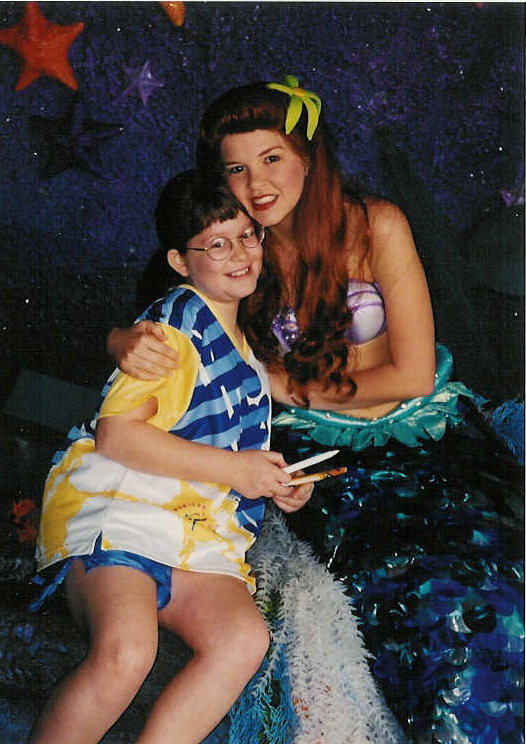
I didn’t have the look of an up and coming designer. I wore jeggings before there was a word for them, much to my classmates’ amusement. I suppose I was just 20 years ahead of the trends. Other than that, I typically donned a whole lot of athleisure, emphasis on the leisure part of that word because I was hopeless at sports. (Note the photo of me with my hero wearing a fake soccer uniform from the American Girl catalogue.) Despite my unassuming style, I could draw models donning original clothing that caught the eyes of the other girls in class. I drew my own fashion magazines at home all the time. When asked what I was doing one day while doodling at my desk after finishing my classwork early, I answered after a long pause, “Working on my magazine”. The next day, half the class was lining up for interviews to be on staff.
I assigned everyone departments. We even had a lingerie section, ironically drawn by the most religious girl in class. She curtly explained without being asked that the models in the hand-drawn photoshoot were married so it was ok, with a definitive huff at the end. As Editor In Chief, people were coming to me for approval and advice, and it felt good at first. They even followed my quirky rules. All text in the publication had to be written in the alien font I invented, which was a mix of Egyptian hieroglyphics and Microsoft Webdings. All were given translation keys for their convenience.
Things were going smoothly until one day, my Vice President called an emergency meeting with only the board of the Fashion Club, as we were so creatively called. A lot of members felt one of the girl’s designs just weren’t cutting it. They proposed she be ousted from the group. I gave it careful consideration, and admitted her ideas weren’t very good. She complained about having to use my specialized typography, also made clear regularly her disdain for the requirement that our designer names be our first names spelled backwards, and she lived in my neighborhood and frequently stopped over without calling first to play with my toys. I was still steamed that last time she’d visited, she spat on my Sleeping Beauty Aurora doll whose eyes close like she’s sleeping when you wet them with … well, it was supposed to be water. I’d never fired anyone before – I’d never even had a real job aside from watering the neighbor’s plants when they went on vacation. It could be fun.
The next recess, I called neighborhood girl into my office, which was behind the tallest tree on the playground. I told her directly that this wasn’t working out, expecting it to be cool. It was not cool. She called me a bitch, a word I only knew from my favorite Alanis Morrissette song, and gave me the finger, a gesture whose meaning was unclear to me at this time. Following this, she ran off sobbing uncontrollably. I felt terrible. I’d had my first real taste of power and influence, and I absolutely hated it.
The next morning, I apologized to neighborhood girl, resigned from my own publication, and faded back into obscurity as nature intended. It was way more fun spending recesses pretending to be a Pokémon anyway.
My last post being about the misgivings of AI art, and this one now being a trip down memory lane to the beginnings of social media, it should be no surprise to readers that I am about to be closer to 40 than 30 with my birthday end of this month. As a socially anxious teen just starting to be proactive about actually sharing my art with the wider world, I may have a bit more warm nostalgia about these early platforms than most. Everyone back then had their own Angelfire website, even those who had absolutely nothing to showcase other than an “All About Me” page with random facts about favorite colors, animals, and food with little dancing cartoons GIFs in the margins. The fact that you could have your own special place out there on the internet was just so novel at the time.
My first social was a xanga blog, which was mostly young people but didn’t have as many kids on it as livejournal, had more interactive capabilities, and seemed to attract more of the artsy, alternative crowd overall. In junior high, I was emailing friends if I wanted to virtually communicate. A combination of xanga and AIM was a social life game changer. Everyday people from all over the world essentially created a completely public diary, which may seem like a horrible idea but back then it was great. At least at my school, it was as common as facebook is now and it allowed you to get to know people on a deeper level that you may not get to interact with for more than 10 minutes during school. Despite widespread parental concern that instant messaging and blogs were going to turn kids into antisocial aliens, for me it actually helped me find people with similar interests and aided me in launching the whole “making friends” bit.
People weren’t turning themselves into a brand yet. Nowadays (a very old person word to start a sentence with), if you use your social media accounts like an actual diary people think you’re weird and need therapy. Full disclosure, I don’t really let this deter me. People would share photos from their day, mostly blurry and with bad lighting. Nothing was curated or planned out, no one knew what an aesthetic was. There was to my knowledge no privacy settings. It was made to be public. Complete strangers would comment on your everyday thoughts, passionate infodumps, and photography and they weren’t bots, and they weren’t trying to sell you something. I made close bonds with people across the US and some outside of it for about a year or two. We shared things we’d never told anyone, even friends or family, because at the end of the day sometimes it’s just easier to open up to someone you don’t see all the time. One online friend didn’t know how to tell their very traditional immigrant parents that they were gay. Another had been in love with this person in their class since 6th grade, and now as a high school junior it looked like a relationship might finally happen but their strict, closed minded parents were against interracial dating and they were afraid of the consequences at home. Another was severely depressed and didn’t understand why as nothing in particular was going wrong, and they wondered if others had gone through anything similar and how they broke out of it. Another was being bullied a lot at their school, and just wanted to see if they were actually a cool person capable of making friends outside of that weird bubble where everyone had already made up their mind about them. I became friends randomly with an entire Canadian indie black metal band. We critiqued each other’s bad poetry, posting stanzas back and forth.
This is magic that I don’t think could happen today. Were these lifelong friendships? Of course not. Even early on I knew not to hand out my phone number to assorted people on the internet so our time only lasted for the couple of years I continued using the platform. I don’t see this as mattering, though. So many people are only part of our life for a season. At that time, these conversations filled a void, inspired, and made people in their teens and early 20s feel heard. No one, at least in our age group, had yet figured out how to use social media to manipulate. People generally remembered that there was a real human behind each funny little blog and acted accordingly. There were minimal facades – We just didn’t see the point. Now, every post must be calculated – Is this ‘on brand’ for me, does this make me look happy/successful/competent? Is this opinion too abrasive, this musing too controversial? 75% of the time we just let memes speak for us. We are all products, and it kind of makes me sad. Social media is pressure. Everyone expects instant responses to their comments or messages. It’s work, not relief, not belonging. Maybe it’s because I’m older now, maybe it’s because I finally have a larger network of people IRL who do want to socialize with me regularly, maybe it’s because I no longer feel surrounded by people that oppose my every social or political stance like I once did, and the lack of alienation has made something like xanga obsolete for me – but the internet just isn’t fun anymore. Not like it used to be.
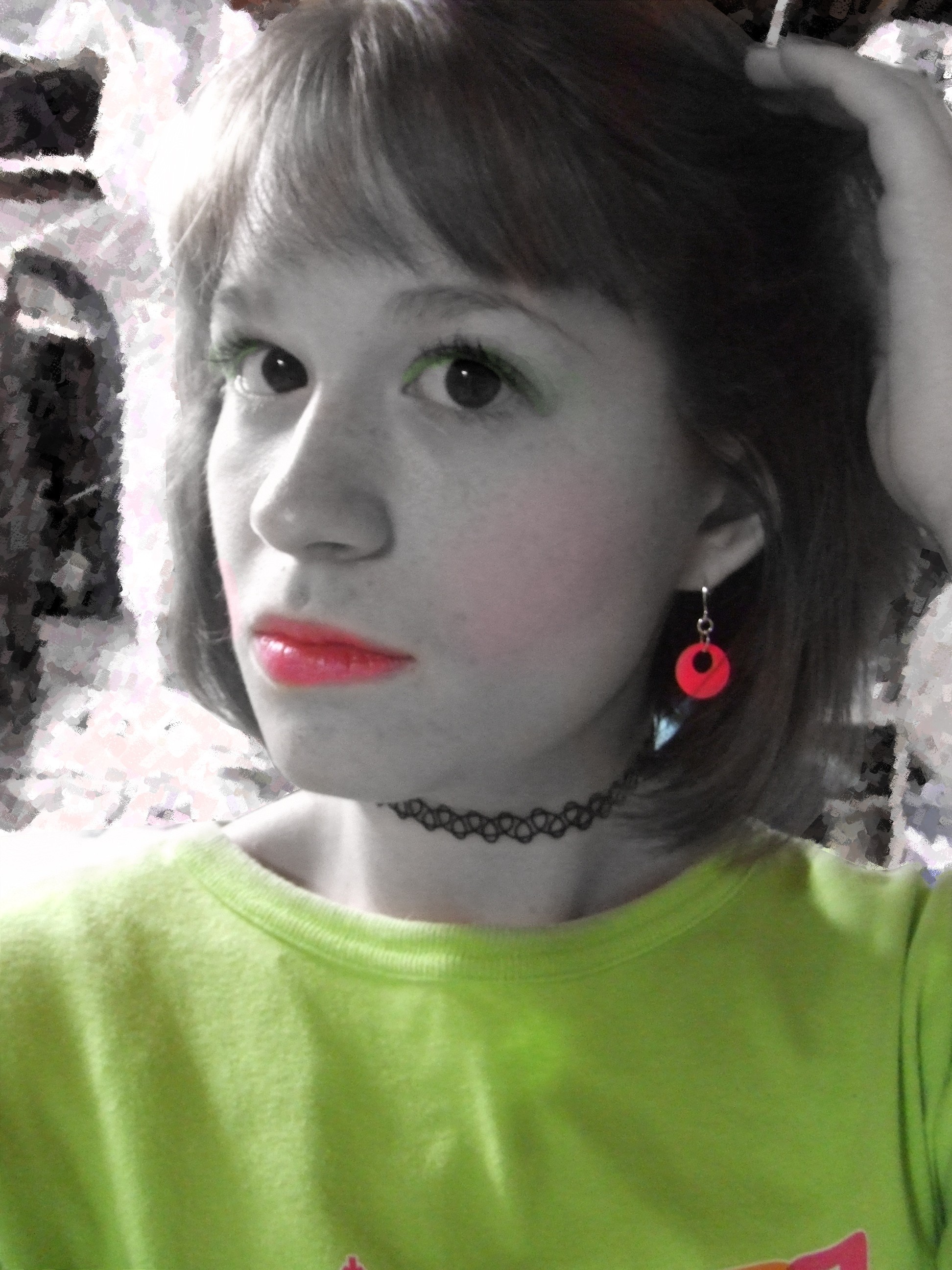
I’ll leave you with some of my early profile pics. The bad editing you now witness actually took a lot more work back then than simply clicking a few buttons. What a time to be alive ^_^. Retro emoji is intentional.
I’ll be honest, I do digital art when I have to for some logo commissions and such but I love traditional art, and I love traditional animation. I once had an art student who was very into Disney, and they would bring in printouts of digitally remastered screenshots and point out all the errors, circling them in red pen on one copy and then drawing over a 2nd copy to fix the colors, textures, etc. and restore them closer to the original, thus “fixing” it. That was their relaxing art therapy – and you know, I get it. That being said anyone who knows me can guess ahead of time I’m probably not going to be into AI visuals. Whether you like the look of AI art, or find it to be a soulless disaster, the fact of the matter is there are some questionable ways AI is trained to create “art” that definitely looks like stealing from other artists unless you are using the programs just as an idea generator or a “base” which you then digitally draw on top of and make your own.
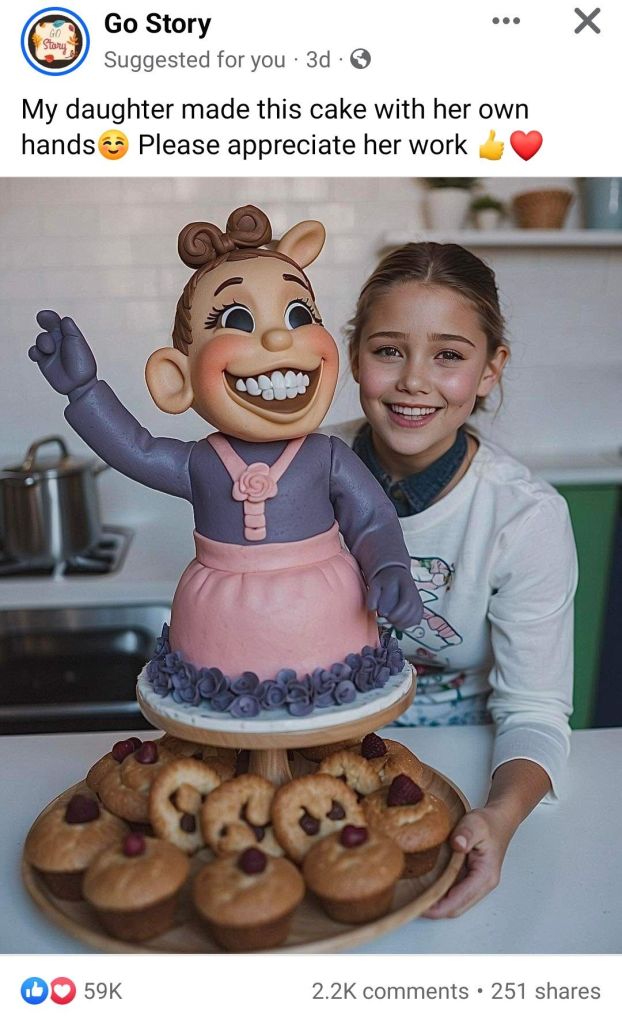
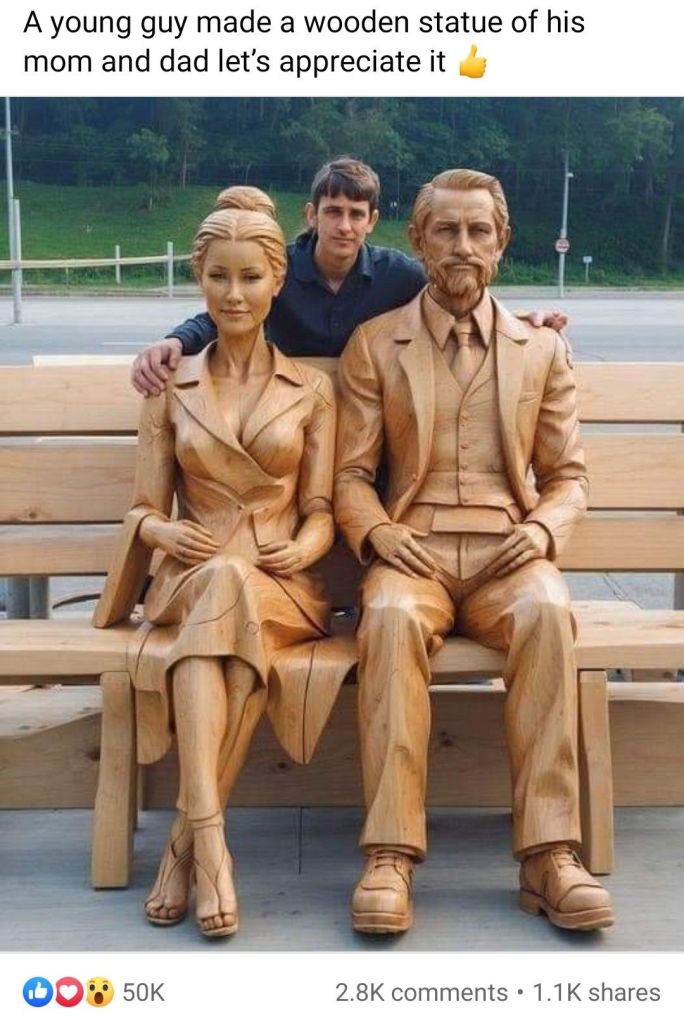
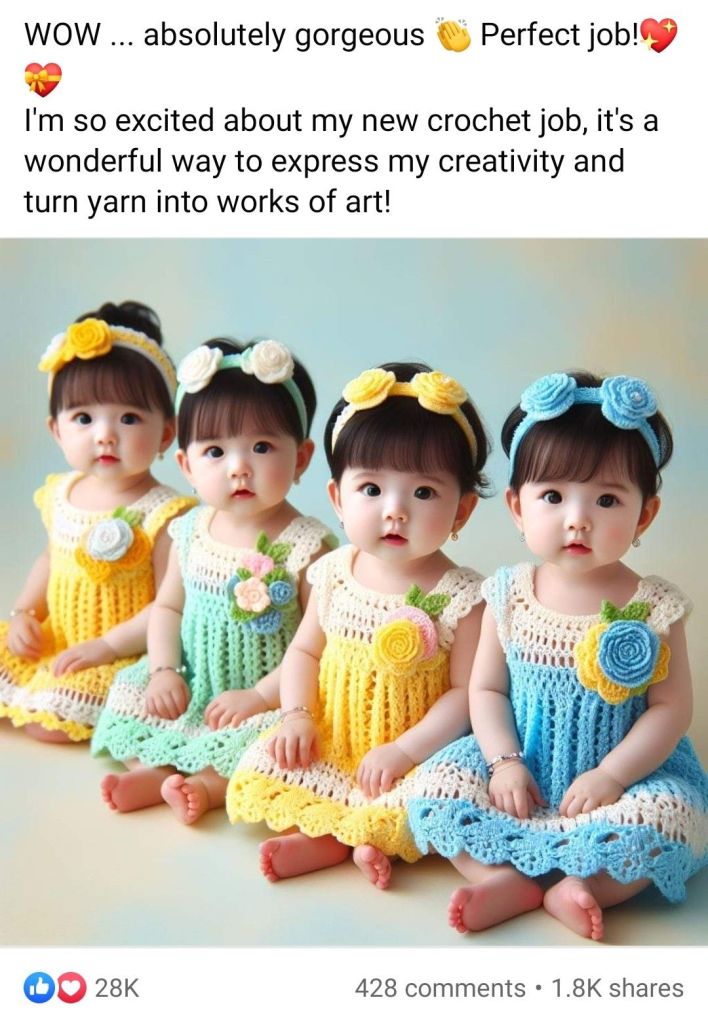
The other concern which should be valid whether you enjoy AI or not is the fact that there are many people that already, even with AI generated images still in their wonky stage, cannot tell when something isn’t real. This could be problematic where things like news and current events are concerned, and AI has already been used to make fake photos of celebrities. I can typically tell pretty easily as I’m a highly detailed, visual thinking person. For those who have a more difficult time discerning, some suggestions I’d start with as far as what to look for are:
“Snapchat Filter Face” – Everything is unrealistically smooth with a “glow” that doesn’t seem to be coming from any light source. Eyes often look like they are plastic, and seem glazed and overly glossy.
Bizarre details such as clothing that doesn’t make sense (a floating collar above a scoop neck T-shirt for example), nonsensical background details such as a home kitchen with 3 ovens instead of cupboards and counter space, misspelled words, objects that don’t belong in the context of the scene, things that are out of proportion scale wise.
Lack of clarity – Disappearing edges or fogginess in the background, and conflicting light sources.
I think people escaping into AI also bothers me because it is just such a poor substitute for the real thing, and we could have the real thing! We could have good design. We could have fun, joy, and whimsy in the spaces we live and work in. We have in the past. We’d rather play house with imaginary designs of rainbow colored kitchens or striking gothic black and eggplant living rooms than actually utilize engaging design in the spaces we inhabit. We can make anything we want to live in, and white and beige boxes are really it? (I studied interior design in college, and am NOT practicing for many of these reasons, so I’m extra salty about this particular AI vein). Similarly, we can learn to bake, crochet and sculpt, and it’s a lot more satisfying for the soul than pressing a button. I resent the fact that AI is making creativity blasé.
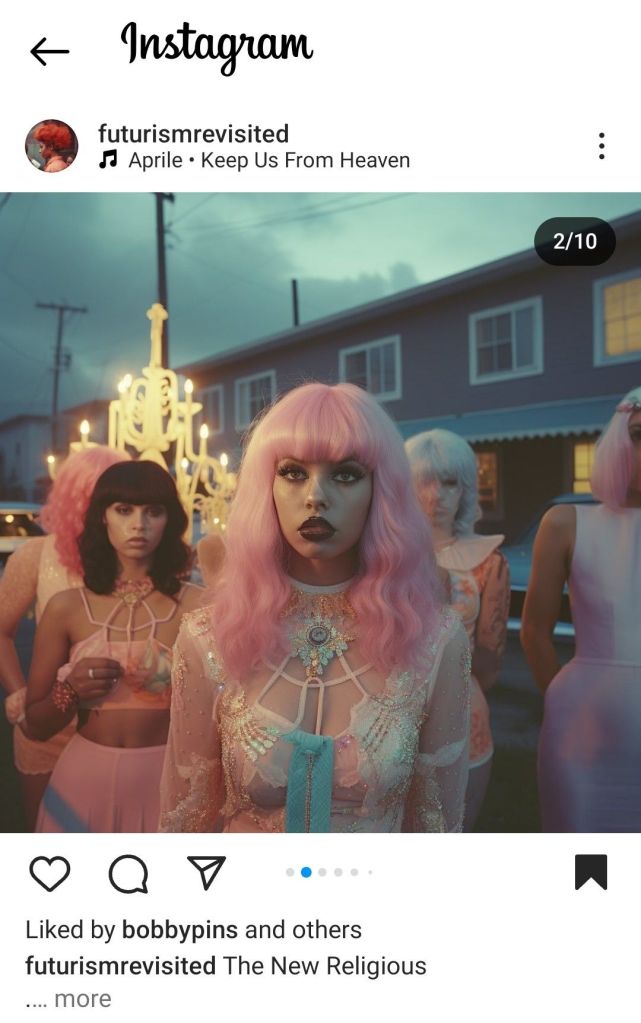
AI looks like a dream because of the missing details, skewed text and numerals, hazy edges, ambiguity, and even the nonsense. You’d think I’d love it as I’ve always been into surrealism and dream inspired media. I do love the below images (the creator openly expressed that Midjourney was used, which I appreciate. ).
Still, the human mind is an important element that’s missing. A big part of surrealism is psychology, opening your mind to the unconscious, and freeing oneself of social standards and social norms. AI is the exact opposite. It trains on immense amounts of existing images as well as popular opinion based ratings, making it a culmination of what is trendy, and often stereotypical. There is something to be said for using art to show us something we can’t see in real life as a means of visually communicating a real life emotion, struggle, or life experience. (Left, some of my works in progress. Right, one of my favorites from Remidios Varo, ‘Woman Leaving The Psychoanalyst’.)
AI does create some interesting opportunities for allowing those with dexterity issues from injury or disability to create visual art. Of course, I think of my students with disabilities that I teach on a weekly basis that work with these issues to still create handmade visual art just in a completely different way, and have to wonder if that isn’t still more satisfying. We actually have a 3D printer and I can’t get them to touch it! They want to get their hands in the paint and pastels.
Technology can be a great tool to help us innovate. In my opinion, it’s not being used well if it creates more sameness and overwrites creativity.