Art Discussion, New Work

New Art – Diverse Creation

It’s been a tough year in the United States for the word “diversity”, with a mass confusion of what DEI (Diversity, Equity, Inclusion) is versus what affirmative action is resulting in unfortunate fallout, particularly for individuals with disabilities (See video below … who says autistic folks can’t be sarcastic/humorous when the need arises? You know what Oscar Wilde said, ‘If you want to tell the truth, make them laugh otherwise they’ll kill you.). Michigan Arts Access, a program I have worked with as a resident artist that provides arts education in special education classrooms, lost major funding sources for next year because their work falls under the “DEI” umbrella by including students with disabilities in elective opportunities that many other traditional students automatically receive. Unfortunately, this means their services probably won’t happen next year in less wealthy communities like mine. There was a general souring in public opinion towards the word DEI despite most people actually agreeing with the principles and practices of Diversity, Equity, and Inclusion when asked without using the acronym itself, according to research. If anything, this reveals how muddled understanding has gotten as we have access to more information than we’ve ever been expected to handle all at once, but that’s a conversation for another day. 

The thing is, while equity and inclusion are sadly optional, in America we’re stuck with diversity whether we like it or not. This may seem too obvious to need reminding, but America is unique because everyone who lives here at one point came from somewhere else, and who has been here longer may at times be surprising (i.e. my Mexican partner’s family settled in Texas long before my ancestors came here from Italy, England, Hungary.).

Diversity is built into all of creation. The differences in plants, animals, and insects both visually and in how they function serve a purpose. Similarly, our different backgrounds, cultures, genders, and brains all bring something distinct to the table, and our society runs better when all are included and their gifts nurtured. Imagine what would happen if you had a vegetable garden, but decided tomatoes were your favorite so you’re only going to water those and just let the rain take care of the rest. Rain helps, but it’s not enough, and eventually the other plants would die, and you’d get pretty tired of only eating tomatoes every day. (Apparently I’m really into garden metaphors when it comes to people – see last year’s mural.) 

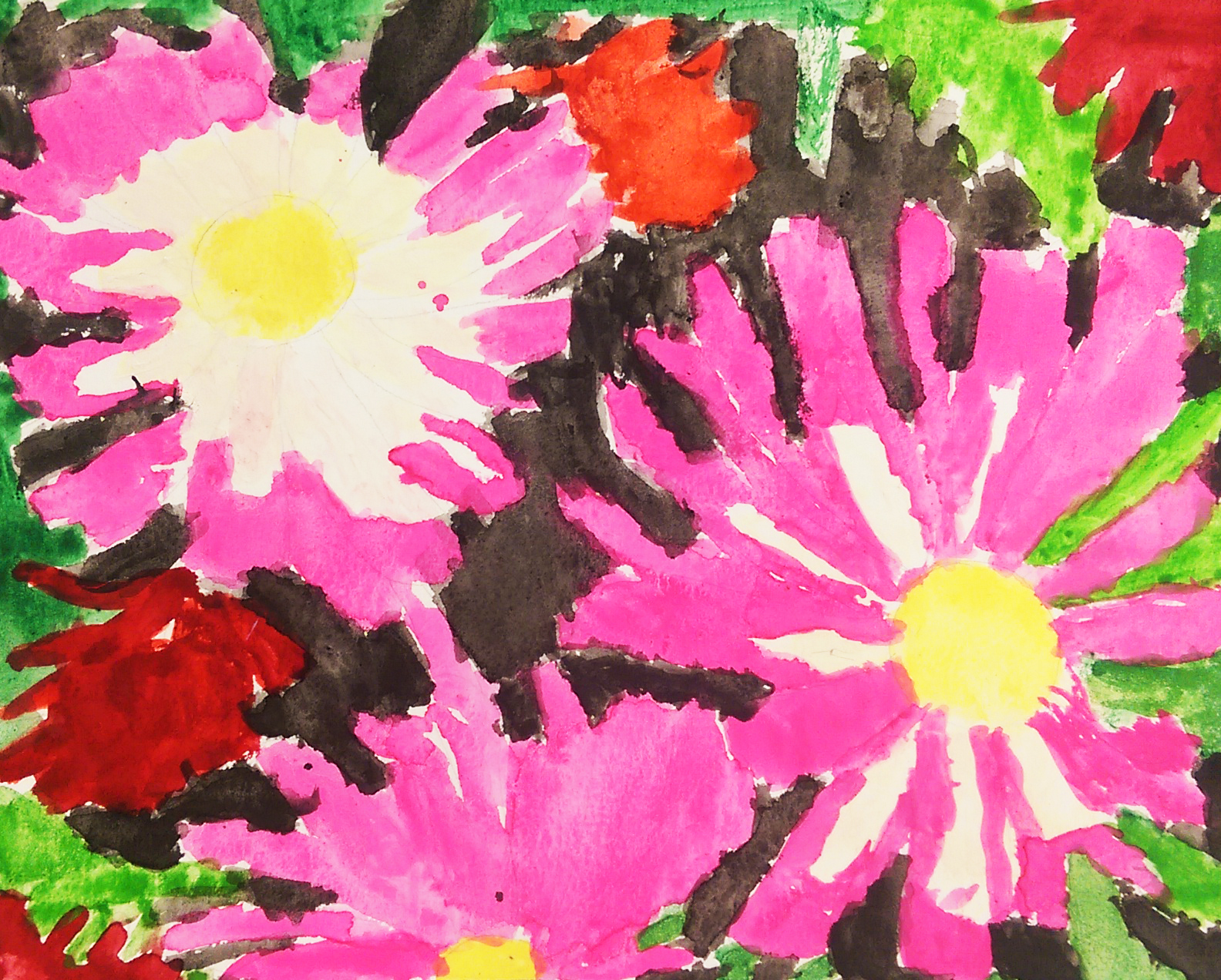
We can’t marvel at the vast variety in a field of flowers or all the different patterns on the wings of butterflies, and at the same time be angry about differences in the people around us. We can’t become excited about the literal tour around the world we can take in almost any given city when picking a restaurant, but be upset that we have neighbors who came from the culture where those recipes originated. 

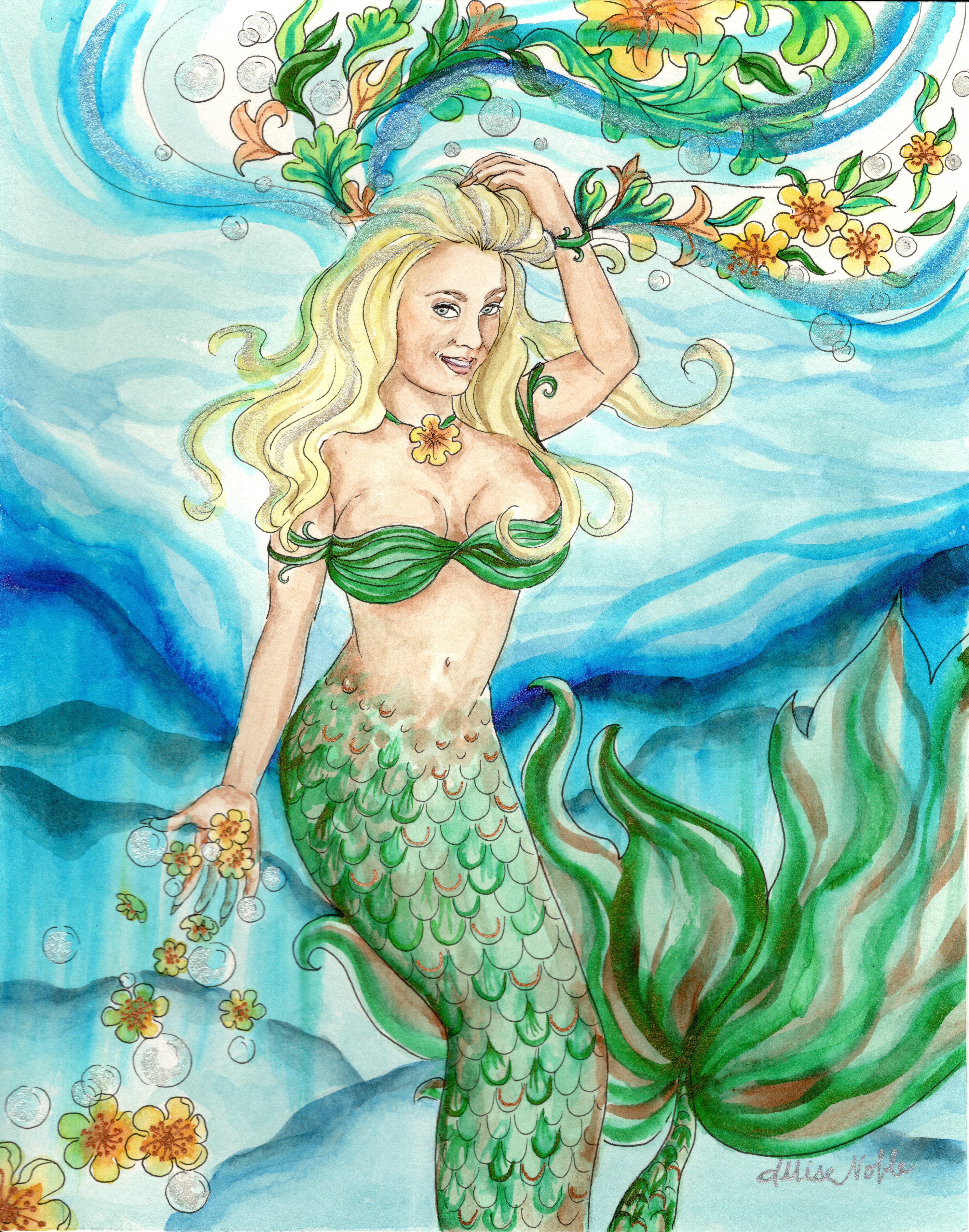
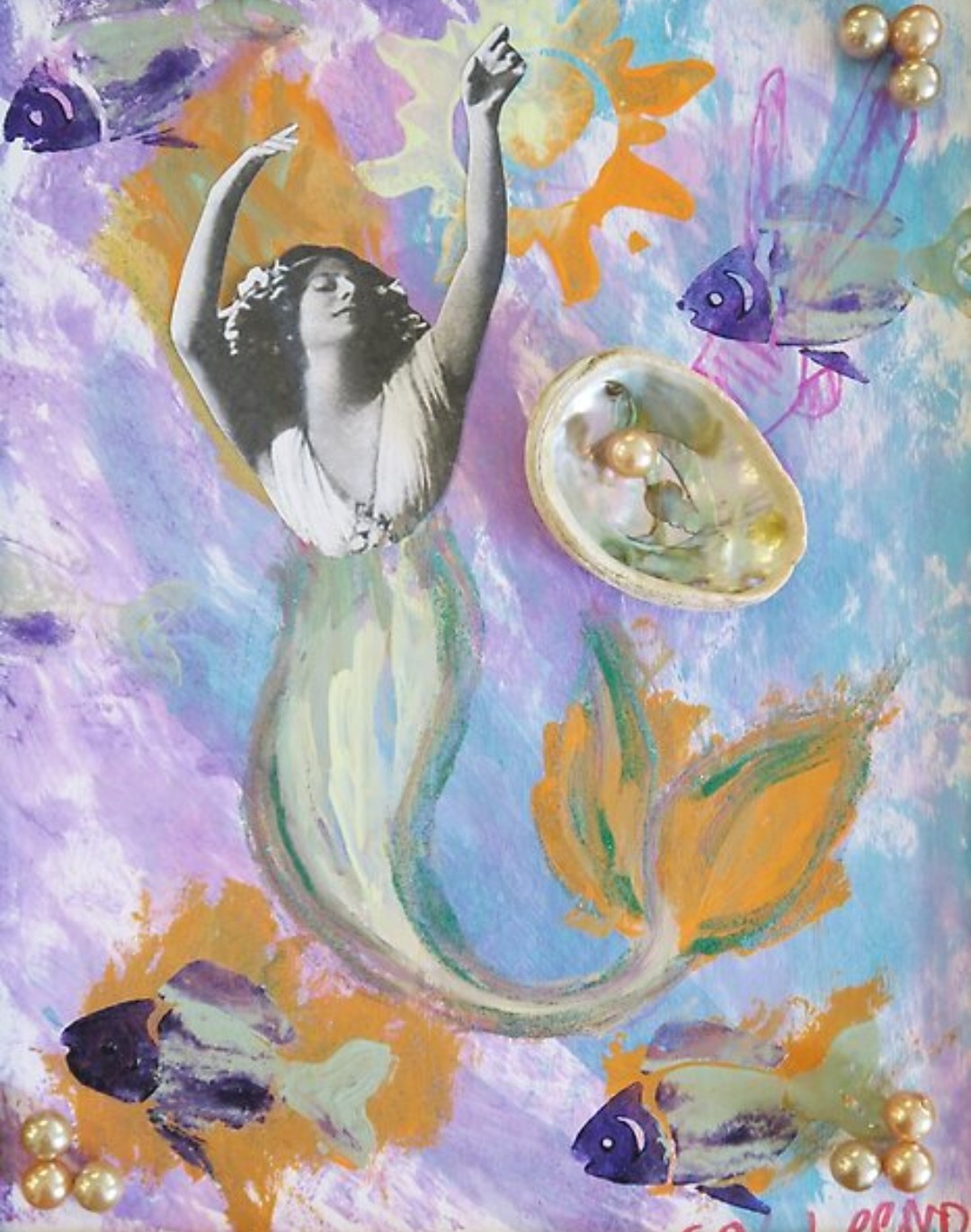
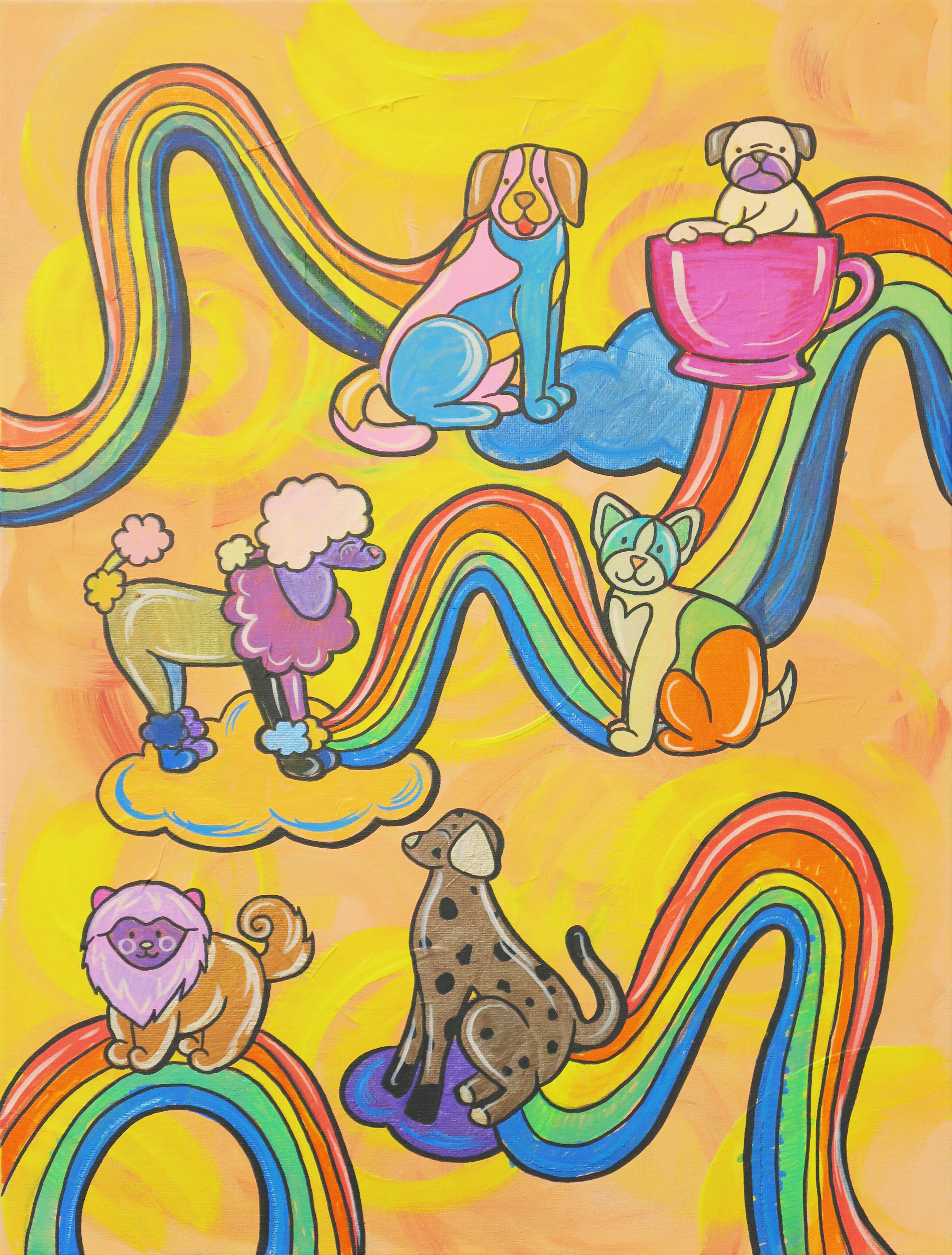
It may feel like diversity is ‘canceled’, but the very notion is ridiculous. I am in no way trying to downplay the significance of words and policies that communicate that certain people don’t deserve basic needs, education opportunities, or respect. However, individuals, and I daresay especially creatives, still have a choice. This new piece was recently created for an upcoming Fall show with the theme “Diversity Is Beauty And Strength”. I’ve also been working on a series of fantasy themed family portraits from a client who reached out to me from my ebay shop. She noted that she saw my series of cute angels/fairies and mermaids and noticed that I offered a bunch of different skin tone choices. She shared that her family is mixed race, and it’s difficult to find fantasy art that looks like them. Thus, one of the most fun commissions I’ve ever done was born. I enjoyed getting to know my subjects from afar through an exchange of personal stories, and channeling their joys, struggles, and dreams into these keepsakes. More still to come!

This year has been hitting creators hard, but art is communication and we creative people are in a unique position to pivot the cultural conversation. How do you think diversity enhances the way you experience your daily life and community?

Standard
Art Discussion, Artists To Know

Art & Outrage – What’s Up With These Thomas Price Sculptures?

A departure from my usual posting, but some recent complaints about art opened up the opportunity to open up a discussion about the purpose of public art, how we react and interact with it, how culture views who and what “deserves” to be immortalized, and what makes public art successful. This is especially interesting to me as I have been participating more and more in public arts myself.

Thomas Price is a British sculptor who installs over-scaled sculptures of everyday figures in public spaces, centering on black women. His intent has been quoted as “I want my sculpture to be an opportunity for people to connect emotionally with an image of someone they might not have noticed before” (emphasis added by me). This is exactly the message I got out of it when I looked at it before even reading this statement. Unfortunately, not everyone is seeing or understanding the same intent, and many are flat out losing their minds over his installations.

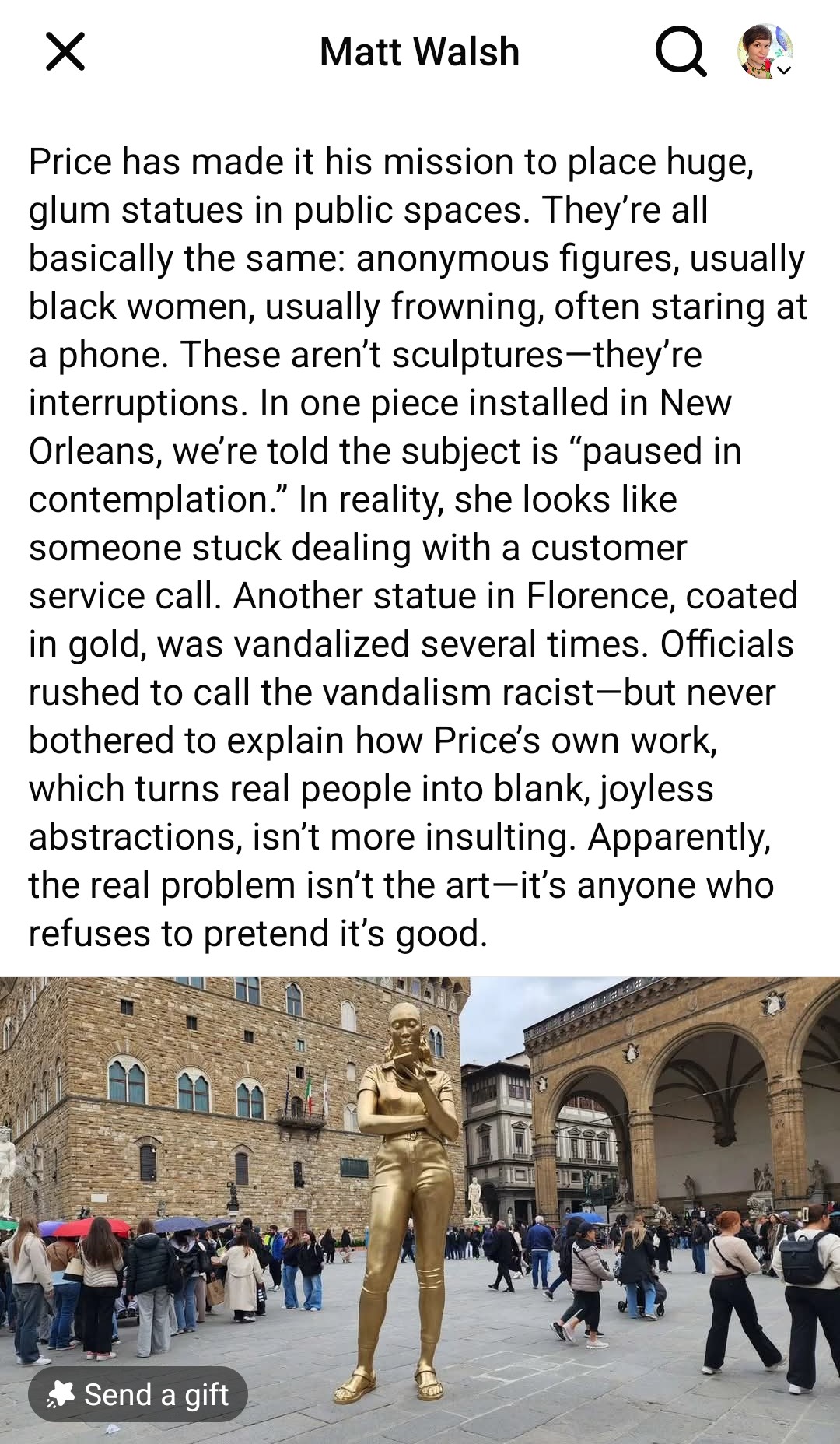
The blurb that encapsulates the myriad of complaints best is screenshotted below:

Keep in mind, this post is intended to provoke thought and discussion. In no way am I telling you that you have to like these sculptures. We all are drawn to different things, and that is perfectly fine. However, “I don’t like new things, grumble grumble, or phones, grumble grumble, or looking at art, and for God’s sake will someone tell that woman to smile!” is not a nuanced or valid critique. There’s a lot here – let’s start at the top, shall we?

One of the reasons more communities are embracing public art is precisely because it makes art accessible. It integrates art into our everyday life so that we don’t have to set aside time (and often money) to travel to a museum to experience visual arts and culture. This could become especially important as funding to museums in the US becomes uncertain. Public art promotes tourism, boosts the local economy, and fosters cooperation and communication between people of all different backgrounds, ages, and abilities. Additionally, public art specifically designed to communicate about marginalized groups, and social and community issues has been proven to boost empathy, decrease stigma towards marginalized individuals, encourage philanthropy, and also build social trust and improved residents’ perceptions of their community. I have to see plenty of things in a day about topics I’m completely uninterested in, as do we all – Advertisements, anyone? I’m not sure why this is a huge problem.

Ah, and now we get to the classic “All art made after the 1800s is bad” argument, which I’ve never quite understood. There are many paintings featured in “classical” sections of museums that are just plain poorly painted. And yes, there is also modern art that I don’t understand and that doesn’t seem skillfully done to me personally. Again, we are all drawn to different things and typically time period has nothing to do with it. Whether you like them or not, there is no question that Price’s sculptures are skillfully created. They are incredibly realistic with every hair given texture, every wrinkle in the clothing perfectly captured, accessories and objects accompanying the figure created in identical detail to life. The only difference is that classical sculpture has been around longer. Do you know why in those old Greek statues the figures are wearing robes instead of jeans? Not because it looks more “fancy”, but because that’s what they wore when those sculptures were created! Remember, there was a time when every piece of classic art was considered “modern” as well. I remember my middle school art instructor explaining that the reason so many artists draw or sculpt nudes is because it makes them timeless. Any clothing, no matter how understated, is going to eventually look awkward and date a work of art. Something tells me the people that didn’t like these golden ladies would have been even less pleased had they been unclothed, however.

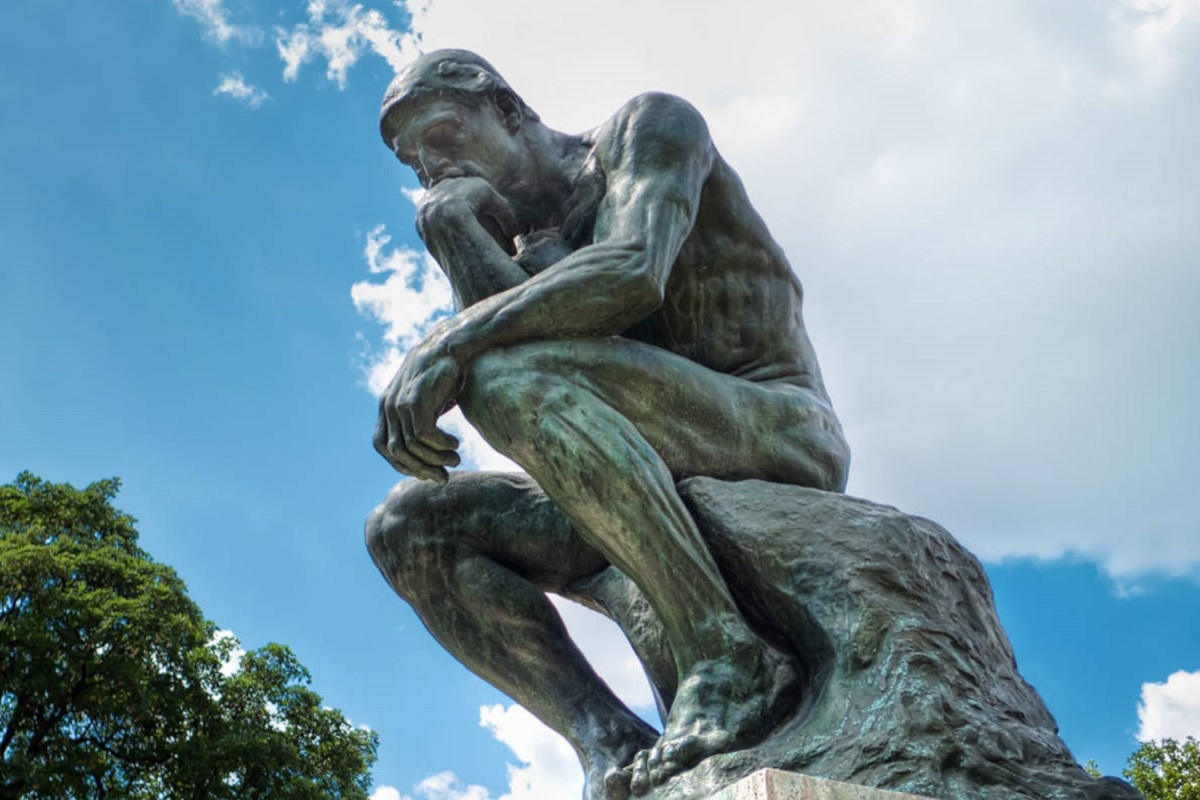
Look at this Rodin piece, art from the period when artists actually knew what they were doing! Oh wait … he looks a little, dare I say ‘gloomy’, and check out that shlumpy posture! Hm … maybe what people are telling us is the problem with these works isn’t actually the real problem.

Creating sculptures representing typical, everyday neighborhood folks and placing them throughout public spaces is not new. Even in the small communities I’ve lived in, there have been similar installations in both Midland, MI and Saginaw where I now dwell. What’s new is the accompanied outrage.

I read a study, referenced earlier, about how art that communicates about marginalized groups (or depicts figures not often seen in fine art) can inspired empathy and stronger community, but it isn’t a magic aura that is going to just radiate off of a sculpture or mural and instantly transform every single person’s heart that walks past it. It takes time, and it’s messy. One of my favorite pieces I’ve created of a young woman with down syndrome was printed on a metal sign along with many other works along a walking path in a nearby community. A Neo-Nazi group slapped a number of their promotional stickers over it – thank goodness for goo-gone. It won Best Of Show at 2 different events, and not everyone was happy about it or understood the point. Many others celebrated – You will not please everyone no matter what your field.

That being said, if a public art series is almost universally disliked by the public, then can we say it’s successful, that it is achieving it’s intended goal?

If as an artist, you are trying to reach the wider community but they don’t seem to be understanding your message then yes, sometimes it is time to go back to the drawing board and make some adjustments or try something different next time. However, if you are observing that it seems the public is determined to get your message wrong no matter what you create, it may be time to be true to yourself and persist. It’s hard, and there isn’t always a clear answer. That choice is ultimately up to the artist. We don’t have to like every piece of art we see, but remember that artists are actually human beings, and if you think you have a better idea then go pitch it! Most calls for public art in all communities are looking for ideas from everyone, whether you are an “official” exhibiting artist or not. Collaboration and communication accomplish more than complaining. I’m not saying it’s easy, but it’ll certainly leave us all a heck of a lot happier and more fulfilled.

Artists and non-artists alike, what are your thoughts on these pieces, on public art in general? Inquiring minds want to know!

Standard
Art Discussion

The ABCs of Creation – G Is For Gesture

An artist friend recently shared with me an article they wrote titled “The ABCs of Underground Art”. I really enjoyed it, and they encouraged me to write my own ABC’s of the type of art that I do as a fun journaling prompt to use to unwind and organize your thoughts. Those that have followed me for awhile know that I don’t typically stick to just one type of art, so to open up the limits I decided to make my “alphabet” the ABC’s of Creation. I have assigned a word to each letter, along with a video of my illustrating a cool little ACEO sized letter inspired visual to go with each word. Read, listen, or both – whatever works! 

G is for Gesture. I mentioned in letter E about how some of my art students with disabilities struggle with grip or coordination and how that changes their creating. Limitations can change an artist’s signature style and actually make it more recognizable. A prime example of this is a piece I own by a local artist with Parkinson’s, Patrick Humphreys. Another great example of this is renowned artist Henri Mattisse’s move from painting to collage after his dexterity was effected by illness. This new style ended up earning him a stained glass commission for the famous Rosary Chapel in France. The way we move our arms, the way we hold our tools, all of these things craft our creative voice. Our “gest” is distinctive to us as individuals, similar to how our auditory voices have different tones, speeds, and ruthyms. I was told recently that I even hold my pencil like an artist. This made me chuckle a bit as all through elementary school, I was told I hold my pencil “wrong”. The “right” way felt harder for me to control and hurt my fingers for whatever reason, so I did what came naturally to me. Imagine thinking there is only one way to hold something, or move through space, or add color to a piece of paper and that the same thing will work for everybody. The first thing I tell my students of all abilities when they say, “My art doesn’t look like yours” is GOOD! It’s not supposed to! Art can be skillfully done without looking exactly like the work of your instructor or favorite artist. 

Patrick Humphreys, Artshop Students Sarah G., Christina G., and Colleen D.

Standard
Books, Music and Film

Happy Black History Month, & My Favorite American Girl Doll

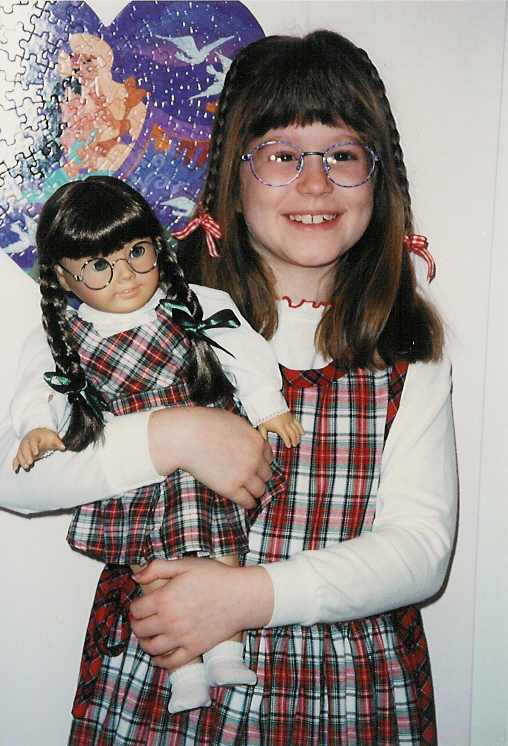
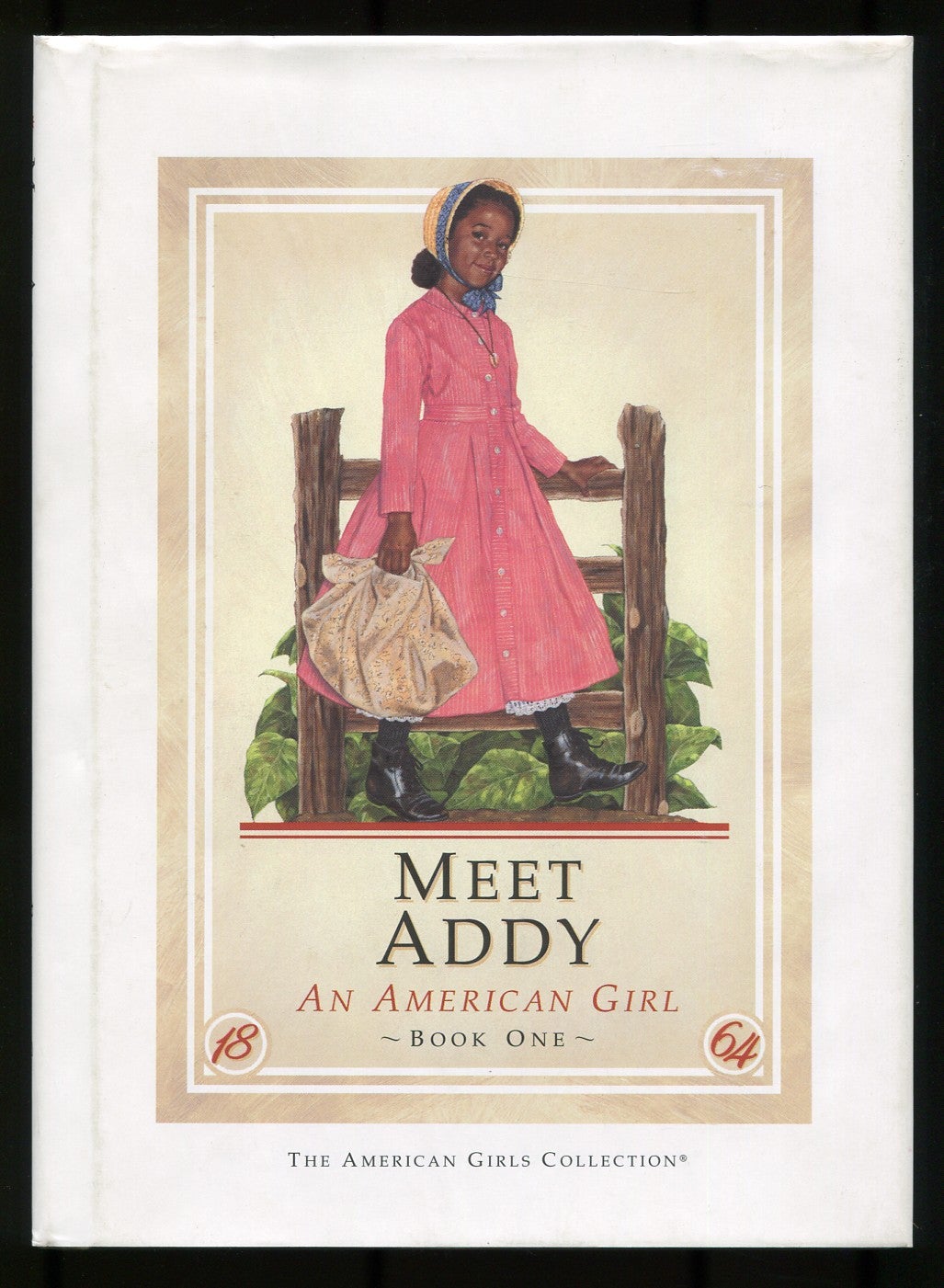
In the 90s, everyone knew about the American Girl Dolls and accompanying book series. The catalogs came to every home that had a little girl, and I would spend hours pouring over the pages, taking in every detail. I had 2 favorite American Girls: Molly and Addy. I loved Molly because we were identical as you can see, and Addy specifically because we were so different. Even as a child I was fascinated by the subtle differences in eye and nose shape, hair texture, and skin tone from person to person – It’s no surprise that my favorite subject to draw or paint is still people, and when looking at other artists’ work I am heavily drawn to creations centered around figures and portraits. I never wanted any of my Barbies or other dolls to all look like me, or all look the same as each other. I was definitely NOT the girl who had a case of 5 classic blonde barbies! What was different about American girl for that time was the fact that their face sculpts and hair textures actually varied by ethnicity (first with Addy, and then later with Josefina and Kaya), whereas with Barbies and other dolls there would always be a white option or a black option, but the black doll was just the white one painted brown!

I saved up the 80 bucks for my Addy doll myself, dollars (and sometimes quarters!) at a time, doing extra chores and kid friendly odd jobs. I kept track of my progress with a special American Girl sticker chart, and when the last spot was filled I knew I’d made it!

The Addy books themselves also stood out from others in the series. The American Girls series chronicled different 10-year-old girls’ daily life as they existed during different pivotal times in American history. While they all involved a degree of challenge and hardship, Addy’s story was about her actually being held captive in slavery in the first book, and escaping with her family through the underground railroad. Though of course things were even more harrowing in real life than we could ever image, the author of Addy’s books did not hide or sugarcoat the tragedy simply because the books were aimed at children. My mom and I read them together, a chapter or two each night, and they talked about Addy being abused for not working fast enough, her older brother being whipped for speaking up for her, having to leave her baby sister behind with elderly relatives who also could not make the journey because she might make noise or cry and give them away as they were escaping. The stories honestly gave a clearer picture of injustice than lessons learned in school at the time.

American Girl still exists, though it is no longer owned by the original company. There is less focus on the history aspect, and for awhile Addy and her accompanying books and accessories were actually not available any longer, though they did bring her back by customer demand.

There is something about seeing the world through the eyes of another kid your age as they grow up in unimaginable circumstances, with problems you will never have to face. Yes, it’s just a doll and some historical fiction books but more than that it teaches empathy which is invaluable. We can hope that kids that learn how to see the world from another’s perspective will grow up to be adults with empathy as well, that aim to understand and support others through challenges that they themselves may never face, just because we are all human.

Standard
Exhibitions and Other News

New Art / Disability & Mental Health & Exciting News

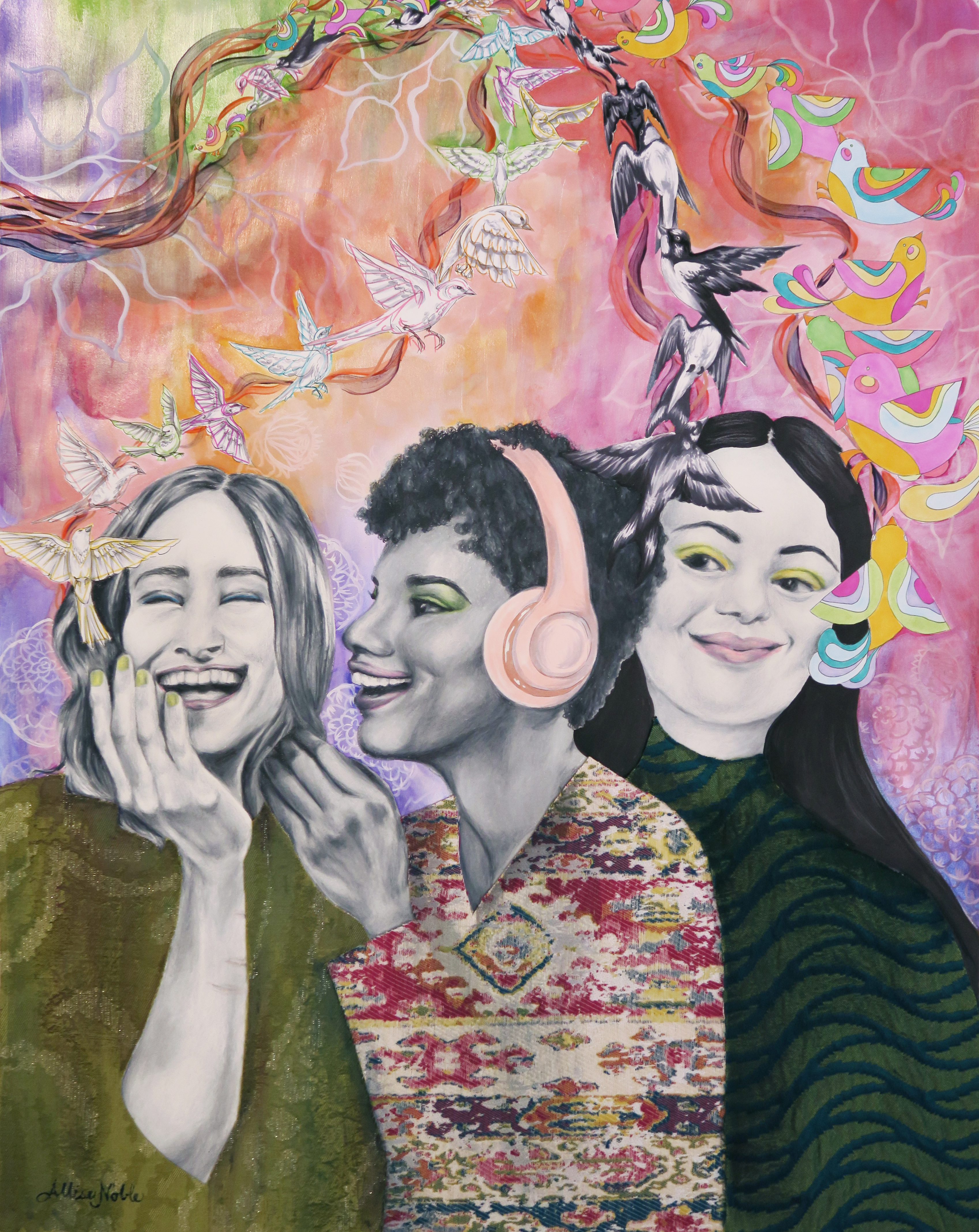
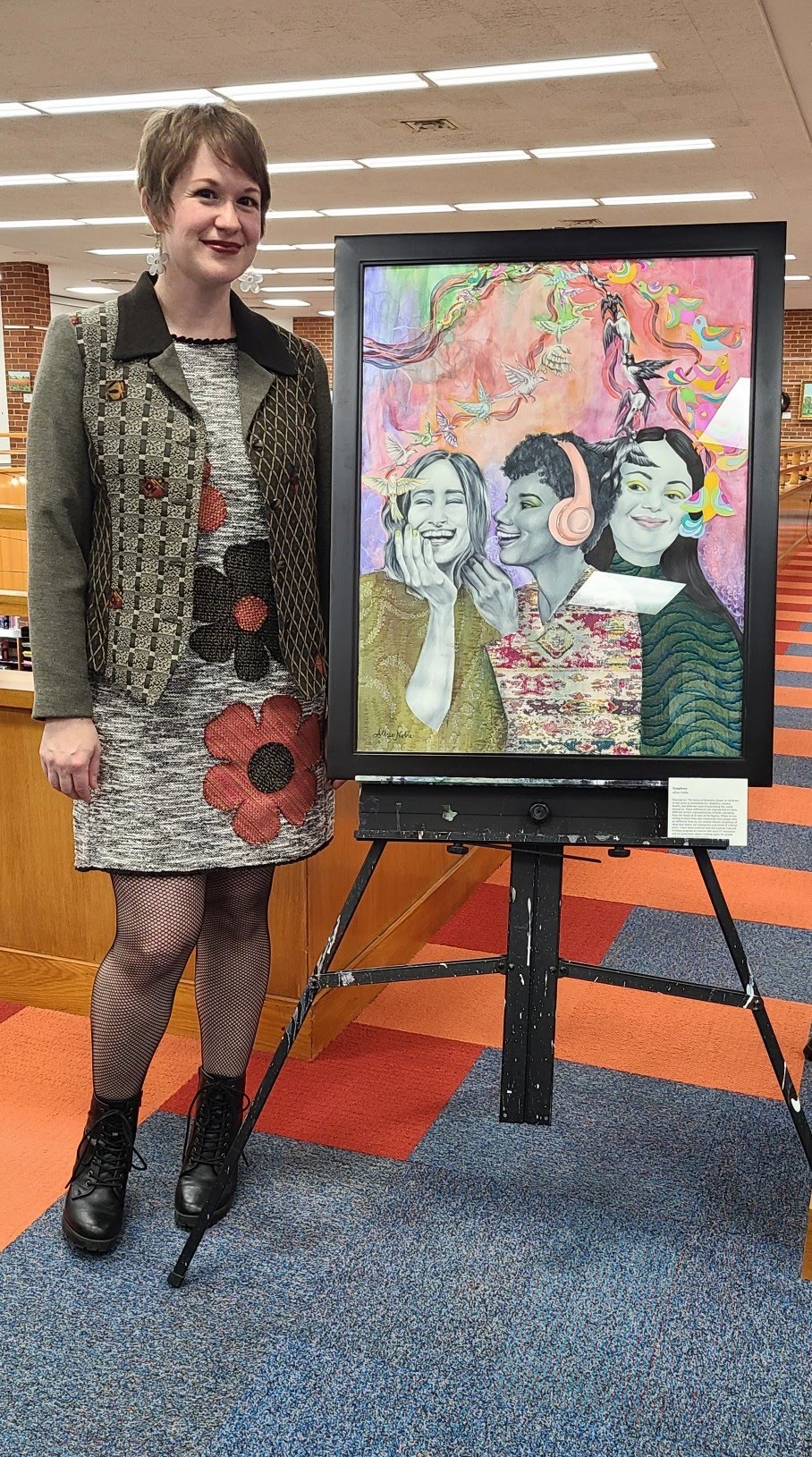
One of the reasons my new series is so slow to completion is because I’ve been creating a lot of art specifically for themed exhibits. I typically only do this if the premise speaks to me, and lately a lot of the local exhibit opportunities have really resonated. This piece was created for the Midland Area Cultural Awareness Coalition’s Pop Up Exhibit with the prompt “Our differences make us better together”. I was thinking a lot about how culture doesn’t always mean our country of origin, and how some differences can be internal more than external. In “Symphony”, I aimed to show neurodiversity including both disability and mental health. I used colored pencil for the figures, fabric for their clothing, ink for the birds, and watercolor for the background. I’m typically not a bright color person with my art, but this piece called for it. After I blended every watercolor in my palette into the background, it was … well, very bright and competing a bit too much with the figures even in their high contrast black and white. Solution: a wash of pearl white acrylic overtop. I love that this kerfuffle happened in the first place because having an iridescent foil effect in the background ended up so much cooler than if it would have been left just straight pastel watercolor.

I use birds with figures for symbolism a lot, because I love the movement birds add to an image and birds have long been a visual metaphor for the soul. The different artistic depiction of the birds flowing from each figure are representations of different ways of thinking and processing. I see this all the time with my art classes I teach. In the beginner classes, we will usually create the same basic image together step-by-step, but the exciting variety I see across everyone’s artwork still is truly amazing.

The birds eventually all converge into one stream, mingling together and blending into streaks of color. I didn’t have a title for this piece until the very end, when the word “Symphony” came to mind. Our thoughts, words, ideas, personality, presence, all play a part in our community and society as a whole, and each part is important. Much like a symphony in which each instrument layers together to create the finished song, or a work of art like this one where each splash of paint or piece of fabric layers together to create a recognizable image, all of our different experiences and ways of looking at and processing the world are necessary for innovation and progress.

This piece was one of the most fun mixed media artworks to create that I’ve worked on in awhile, and I was additionally honored with the Best Of Show Award. Prints will be available soon in my online shop, so keep an eye out, or you can always contact me directly.

Standard
Artist Bio

The ABCs of Creation – E Is For Equalize

An artist friend recently shared with me an article they wrote titled “The ABCs of Underground Art”. I really enjoyed it, and they encouraged me to write my own ABC’s of the type of art that I do as a fun journaling prompt to use to unwind and organize your thoughts. Those that have followed me for awhile know that I don’t typically stick to just one type of art, so to open up the limits I decided to make my “alphabet” the ABC’s of Creation. I have assigned a word to each letter, along with a video of my illustrating a cool little ACEO sized letter inspired visual to go with each word. Read, listen, or both – whatever works! 

E is for Equalize. Creating is a great equalizer in my opinion, because there are so many different ways to go at it even with certain limitations. I work with students with disabilities, some of whom have a lot of trouble with fine motor skills or dexterity. Large, overarching strokes, wobbly lines, lopsided sculpting … Some people try to achieve these peculiarities on purpose!  There is a way to make qualities you may view as imperfections part of your signature look. How cool is it that when creating, we can take something that is typically viewed as a difficulty and transform it into something that enhances our end result.

Above are just a snapshot of the beautiful works of art my students have created over the years. I strongly believe that beginning my career as an instructor with the Express Yourself Artshop inclusive program in my hometown (as someone who wasn’t even planning to become an art instructor at that point!) made me a better teacher.

(Psst! We do have a Redbubble Shop as well, if you want to show some love.)

Standard
Music and Film

Barbie Is Amazing, A Confession.

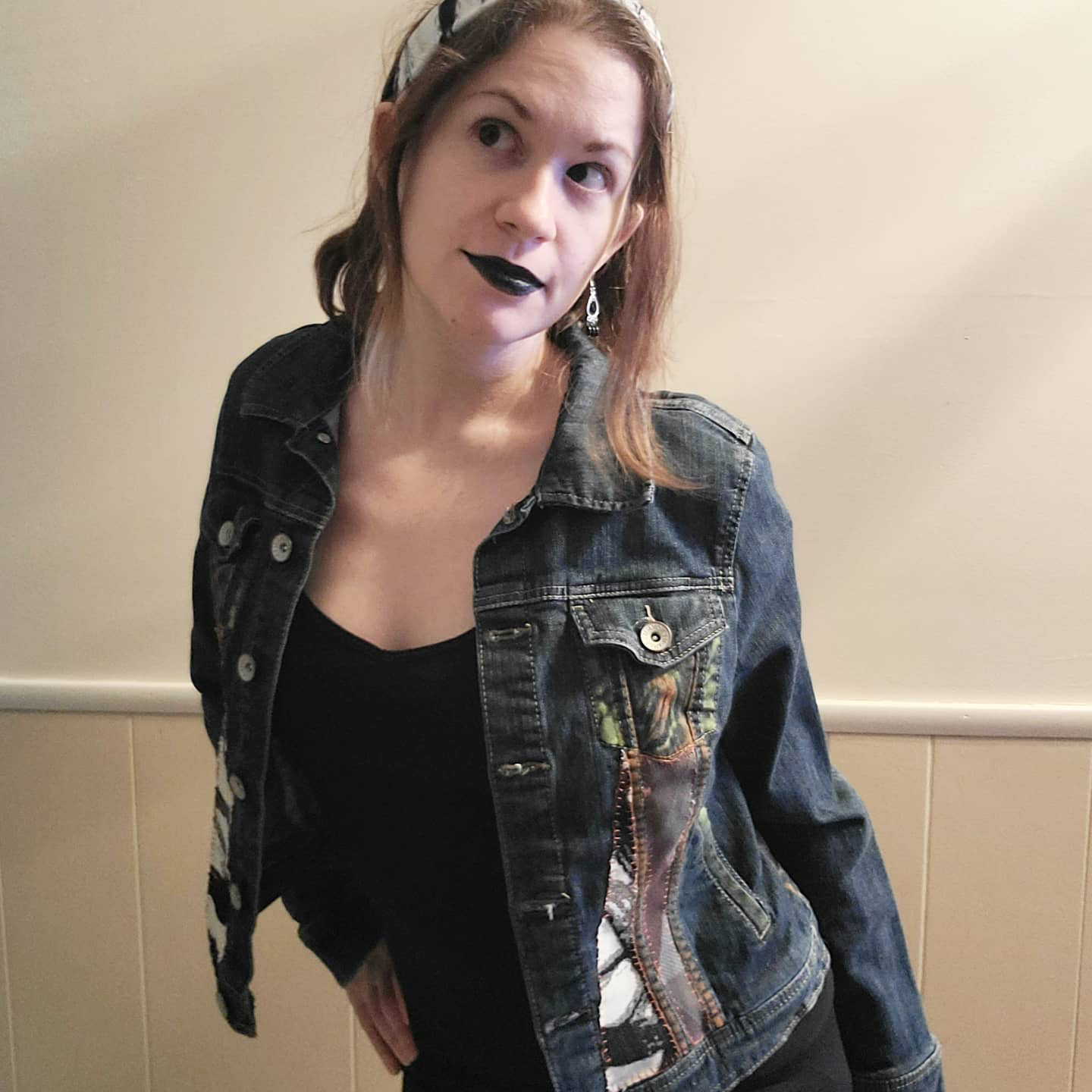
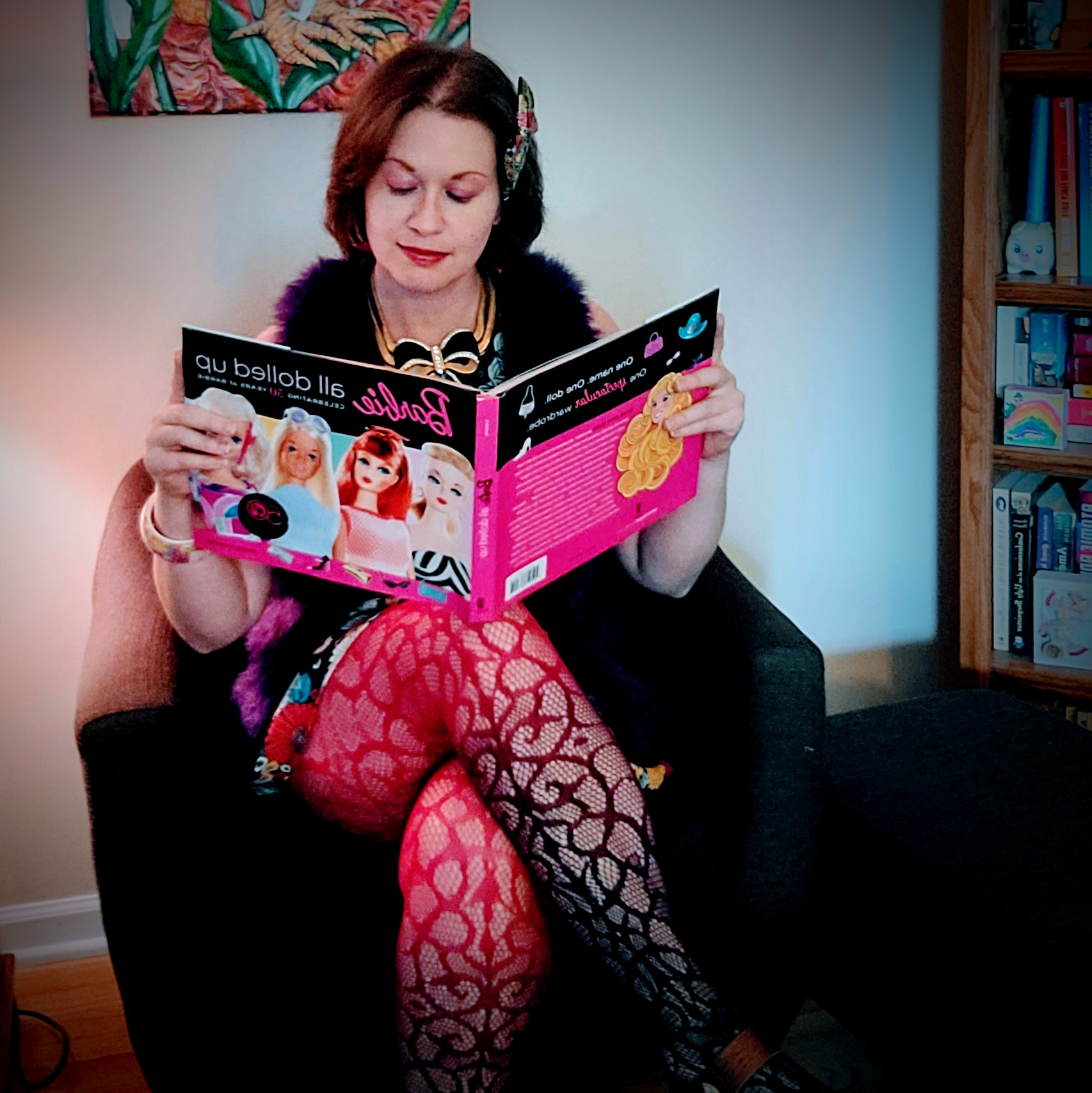
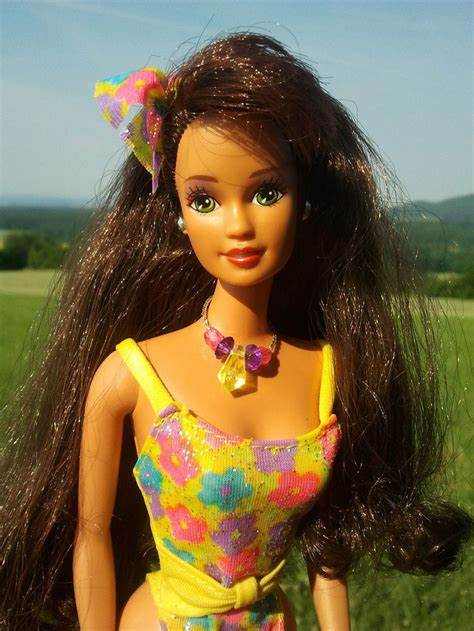
I have always loved Barbies, so I figured why not weigh in on my takeaways from the Barbie movie, everyone else is doing it. I’m one of those Barbie people that no one thinks would be a Barbie person … It reminds me of the time my first blind roommate in college didn’t tell me until about halfway through the year that she loved Hello Kitty and watching America’s Next Top Model because she thought I would hate it and judge her. As it turns out, I did indeed already love both of those things (although, let’s be real – ANTM turned out to be toxic as hell, like most reality TV). Maybe it’s because I usually look like the photo on the left when I’m not just in an oversized T-shirt, leggings and glasses, rather than the picture on the right. I owned the book I am posing with long before the Barbie movie, by the way, as well as 2 other coffee table books about Barbie. Part of me has always been a little bit embarrassed about my love for silly girly things meant for children even now as an adult, but as we will come to learn, there is not just one way to be a strong woman.

I even themed my 20th birthday party around Barbie, complete with a very low-budget DIY photo booth with flowers growing out of dreams as a prop, hence the cotton poof clouds. Very conceptual. I am dressed more like the 3rd unknown member of The Dresden Dolls than Barbie, but hey, I just wear what I like. My personal style has never been definitive.

Some minor spoilers ahead, but nothing major, nothing you wouldn’t already catch on to from the previews. I didn’t expect this movie to have any depth whatsoever, so imagine my surprise when both myself and my friend I attended with cried twice. Let’s get one thing straight right away, the visuals were eerily accurate. The sets were like being in Honey I Shrunk The Kids (haha, another 90s nostalgia reference) and walking through your Barbie playsets (Side note, I never had a Barbie house house… my Barbie had a mobile home, which was unfortunately not featured in the movie.). Even the clothes were all replicas of actual outfits throughout Barbie history. The writing was not perfect, and I felt the main “real world” human characters, a mother and daughter, were pretty flat which was a bummer as I really like America Ferrera. Still, there were some great moments with her character here and there. She’s a Mattel employee, and some of her secret “weird and depressing normal people problems” themed Barbie designs that she would never show anyone were pretty amusing. She’s a busy mom who doesn’t have a real sense of who she is, her daughter is just a girl that wears black all the time and defines herself by how angry she is and how she doesn’t like anything including her own mother, so like I said, not ground breaking character development but it’s really about the dolls anyway.

I don’t want to give a lot away, so now I’m just going to list my specific takeaways from the movie. Before I do, I have to address the outcry from grown adults who likely never played with Barbies in their life, that are just obsessed with how much they hate this movie because it’s anti-men… In this movie there is both the Barbie World and the Real World – it’s like Toy Story but with 2 parallel dimensions. In Barbie Land, women hold all positions of power; the heads on Mt. Rushmore are faces of the original Barbie (the founders haha), the Kens just kind of hang out on the beach looking attractive. They don’t even play volleyball on said beach, they cheer for the women when they play. They are quite literally just accessories, which is a riff on how kids play with Barbies. We all know we only pulled our Ken doll out when it was time for Barbie to go on a date and that’s about it. It’s also Mattel kind of making fun of itself because hasn’t Barbie held every job ever invented simultaneously for years? There are multiple comments from the dolls that are some variation of, “Barbie is responsible for fixing all of the real world’s problems because we empowered young girls to be super confident and have everything they want!”. I am not sure whether the problem is that people are taking what is made to be tongue in cheek literally, but between the little slightly sarcastic jokes there was actually a lot of depth and positive messages. It was also great to see a variety of different Barbies (and Kens) populating the land with different races, styles, sizes, abilities (though the wheelchair Barbie was never shown in any of the neighborhood scenes, probably because none of the dream houses are accessible. But moving along…). This was always one of my favorite things about Barbie… all the choices! Though different body types was not an option in the 90s yet, I was never the kid that had an arsenal of all blondes (that model, played by Margot Robbie, is lovingly referred to in the movie as “stereotypical Barbie”). Barbie was really the only doll I saw growing up with that much variation in appearance. With other dolls you only got the choice of a white doll with blonde hair and blue eyes or a black doll (usually with poker straight hair for some reason) and that was about it.

So without further ado, my takeaways from this movie were:

We need everyone. Each person has value. A society where men are in charge of everything isn’t healthy, but nor is a society where women are in charge of everything a better option. Everyone should have a voice.

Change is nessecary, even if you are living your dream life and feel like everything is perfect. Without change you don’t grow. Easy and carefree isn’t always best.

Women’s obsession with embodying and portraying perfection is killing us. The more we play along, the more society will continue to expect it. It is not our job to be everything to everyone at all times, and it’s ok to just be average.

Being a strong woman doesn’t mean you have to be unkind and purposefully intimidate others, can’t present more feminine, or can’t show transparent emotions… there are all different types of strength.

Choice feminism is crap (Choice feminism = the idea that any choice a woman makes is empowering to women simply because she is a woman and she made said choice. This is a super popular ideology right now that I just HaaAAAaate.). Again, I don’t want to give too much away, but at one point as Barbie Land gets tainted by some ideas brought back from the Real World, some Barbies that were formerly doctors and presidents may or may not start serving the Kens beers in little maid costumes and profess how this job is so much easier and so much less pressure, and it still makes them feel confident so is it really bad? I already know not everyone is going to agree with me on this one, but everything a woman does is not inherently empowering simply because she happens to be a woman. There are some choices that are just never empowering or good for women. I’m looking at you Only Fans and amateur instagram “models” posting your bare ass on the internet, but anyway… moving on.

Don’t discount your mothers. Women have a whole world inside that you know nothing about, oftentimes because you haven’t been interested in learning about it or haven’t been paying attention.

Your worth cannot be determined by your relationship to other people. Whether you have a good or bad day, a good or bad life cannot be dependent on how other people react to you and interact with you.

Overall, I was shocked to find this movie that I thought would just be a simple 90s nostalgia trip to be very deep and positive, with a decent amount of content to unpack. Actually, the only moment that made me go “yikes!” a bit isn’t being talked about at all, which is odd. When the Real World starts seeping into Barbie Land, it begins changing the toys themselves and we see a snippet of a new commercial for “depression Barbie”. The ad quips that she comes with unwashed clothes since she hasn’t gotten out of bed for a week, and the panic attacks and OCD accessories are sold separately. That was in pretty bad taste and could have been handled differently in my opinion. My friend and I both looked at each other at that point and just said what the @#$% are you serious… Not sure how that made it past the edits.

On one hand, I kind of enjoy that people are taking more time to read into the messages pop culture is sending in even the most seemingly trivial facets, because movies, music, toys … these things do to some extent shape our culture. However, we should try to do this without the outrage. If you watched the movie and want to let me know what you thought, shoot me a comment.

Who was your favorite Barbie growing up? Glitter Beach Teresa was definitely my girl.
Standard
Gifting, New Work

Support Artists With Disabilities! – Happy Disability Pride Month

As Disability Pride month comes to a close, I wanted to take a moment to celebrate the vibrant artists with disabilities I am priviledged to share my life with, and also remind you that we definitely shouldn’t confine our recognition of the talent and worth of those with disabilities to just one month. In fact, I never even knew there was a Disability Pride Month OR that disability rights had been part of the other early civil rights movements until I started working with individuals with disabilities and a disability rights activist informed me of all this.

For a fantastic, concise video on why there may be this disconnect and why it doesn’t make sense since we will all experience disability at least temporarily at some point in our life, check out Sitting Pretty.

I have never met a more innovative, unconditionally loving and accepting, open and expressive group of people than the neurodiverse artists I work with in the Express Yourself Artshop Program.

One of the hardest parts of supporting artists with disabilities is finding their work in the first place. We have an online store where you can purchase original art and handmade wares, as well as a print-on-demand Redbubble Shop that offers all our unique student designs covering wearables, bags, mugs, home decor, and a variety of other high quality products. I absolutely adore Redbubble and own many products from them myself. I feel they are the best value in a POD site. Myself and my team are passionate about discovering our students’ untapped potential, getting their art out into the world, and helping them support themselves through what they love to do.

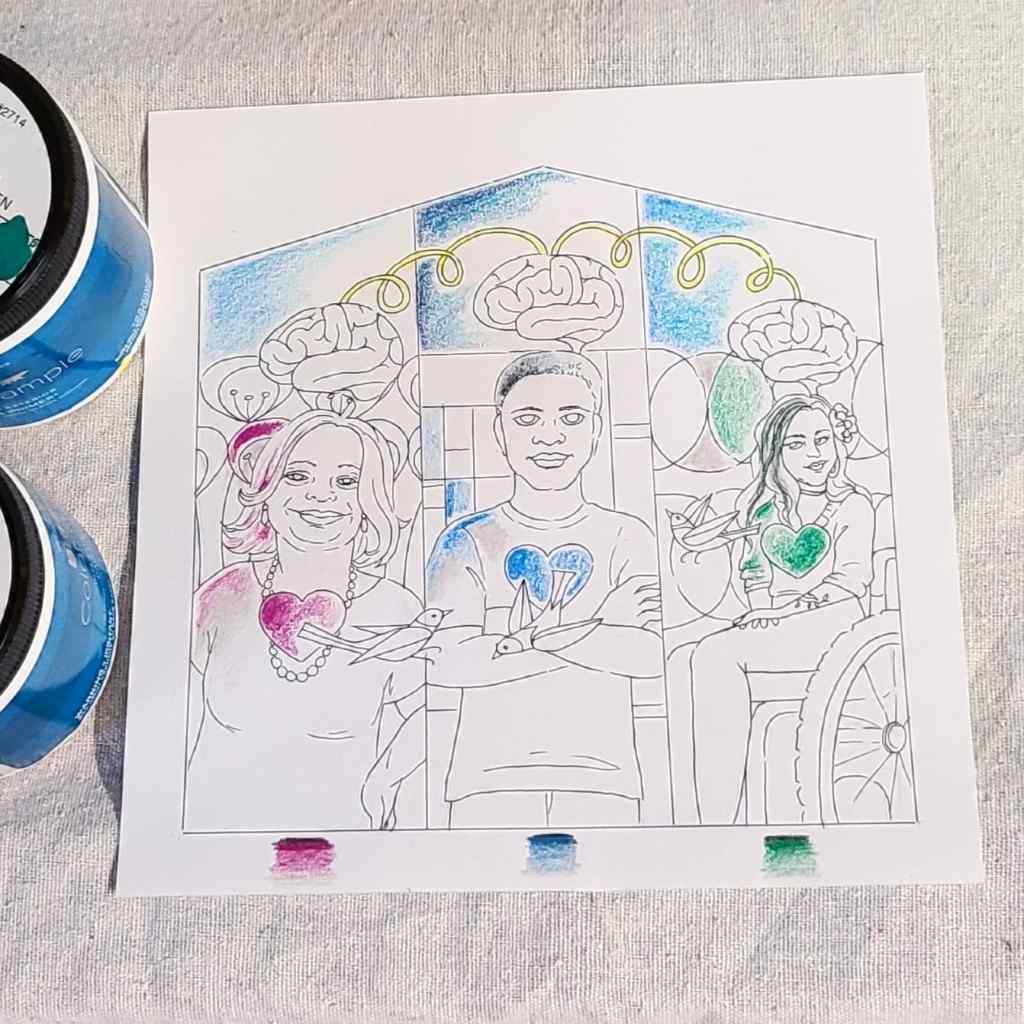
This idea of inclusion and celebrating difference as something that makes our community better ties right in to my current largescale project: a “mini mural” for Midland’s Neighboring Week. I have 3 vastly different individuals represented: a middle aged white woman with down syndrome, a young black male, and a mid-late 20s-aged Latino woman using a wheelchair. Heart, Mind, and Spirit are represented by graphic elements connected to each individual. This symbolizes the importance of opening our hearts to others’ stories, and the fact that we need all different types of brains working together in order to be the best community we can be. 
Every person on earth has value, and every person’s story is important.

Standard
New Work

Meet the Newest (Paper Doll) Cool Girl!

I have waxed poetic about my love of paper dolls in the past, and am happy to announce the first new member to my squad in a couple of years.

paperdollkadywheel 11x14

Following the traditional format of my other paper doll pages, Kady comes wearing a swimsuit with accessories that include an animal companion, a dressy outfit, a casual outfit, a jacket, and an outfit having to do with a profession or hobby. My girls have run the gamut from astronaut, to scientist, to artist, to baker, and athlete … presidential candidate was the obvious next move :). Kady 2020!


Since a lot of the fun is sharing clothes with other dolls, I am currently working on a second doll who uses a wheelchair as well that Kady will be able to swap clothes with, named Isla. Isla will come with some fun fantasy based outfits such as a fairy and princess costume, and may or may not have a pet dragon named Electra in tow ;).

What I always loved about dolls as a kid, be they paper dolls or Barbies, was having dolls that all looked completely different from each other so that each was their own unique character with their own backstory, interests, and personality when I played out my epic imaginative tales. I want to continue expanding my collection so that everyone can have a doll that looks like them, but also a bunch that don’t!

All of my paper doll sets are available at a brick and mortar location inside Imagine That! in downtown Midland MI for those in the area, and also online in my Ebay Store.

Standard