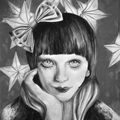
Artist Bio, Artists To Know

Ask Me Anything Series : My Artistic Influences

I’m often asked who my biggest influences in the art world are, and who MY favorite artists are as an artist myself. The earliest piece of historical art I remember being drawn to is Starry Night by Vincent Van Gogh. A representation of this piece was printed on the windows of my elementary school’s library. I also have a vivid memory of looking at large posters of his work during “Picture Parent” day in 2nd or 3rd grade, where parents of kids in class would volunteer to give a little art history lesson once a month. We talked about his time painting in France, and got to eat Brie cheese because, France. I think the snack helped make it particularly memorable.
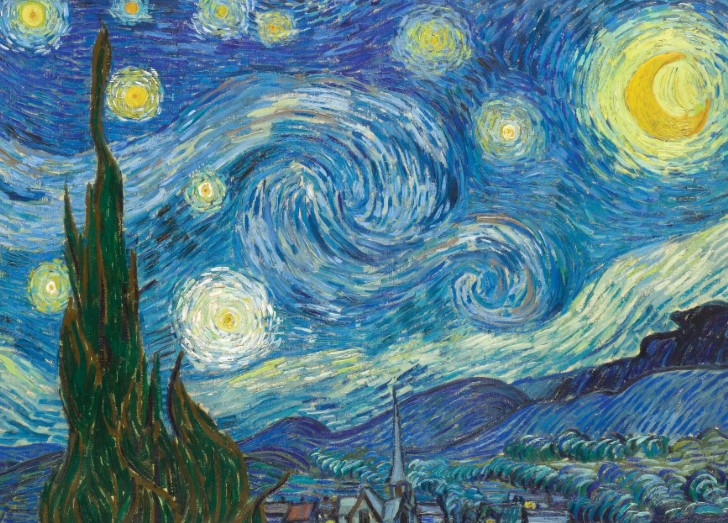
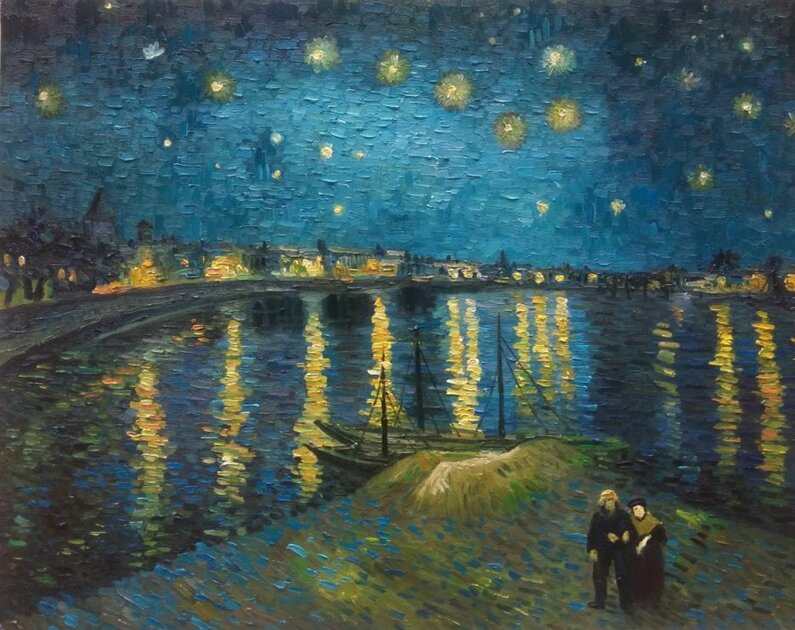
As I got older, I became more interested in meticulously detailed, mechanically tight artwork rather than impressionism, but I could still be grabbed by Van Gogh’s unusual use of color and pattern. To this day, I myself tend to use non-typical colors that are a bit off, but in a good way (or so it has been described by others). Many say Van Gogh’s art is only interesting because of his story, and that may be true but I think that’s ok because artists’ stories inevitably end up woven into their art. They cannot be separated. Reading his letters to his brother and his thoughts on faith, art, friendship, and the world surrounding all while struggling with various (back then untreatable) disabilities have certainly added to my appreciation of his art as I’ve grown older. Reportedly, there is a story where Van Gogh was talking to a clergy (He was quite religious and considered going into ministry, but his unpredictable temperament was a barrier.). The clergy asked, “How can you say God gave you the spiritual gift of art, when well … your paintings aren’t very good? Maybe you should try something else.” Van Gogh replied, “Maybe I’m painting for people who aren’t born yet?” Artists follow our path, even when it doesn’t look like it makes sense. As someone who feels a deep sense of purpose in what I do including my teaching, this resonates.
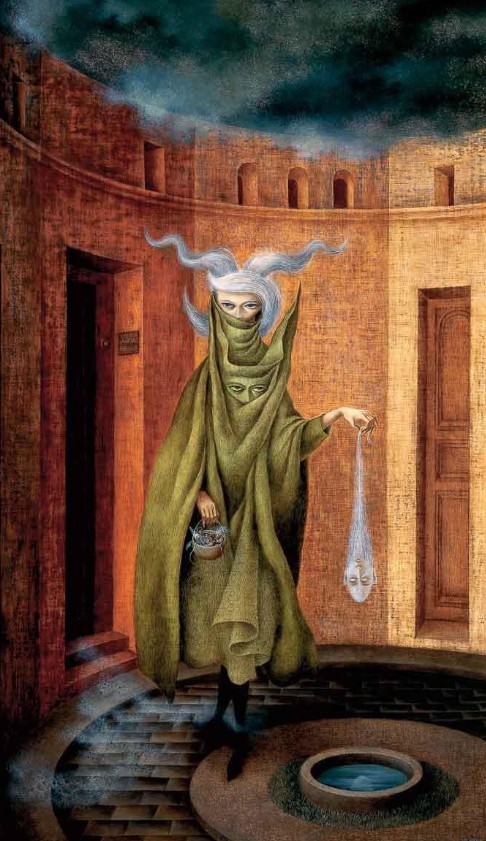
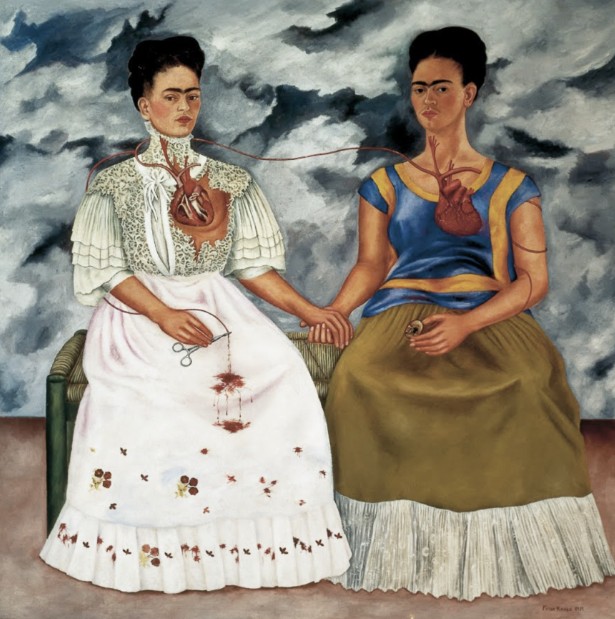
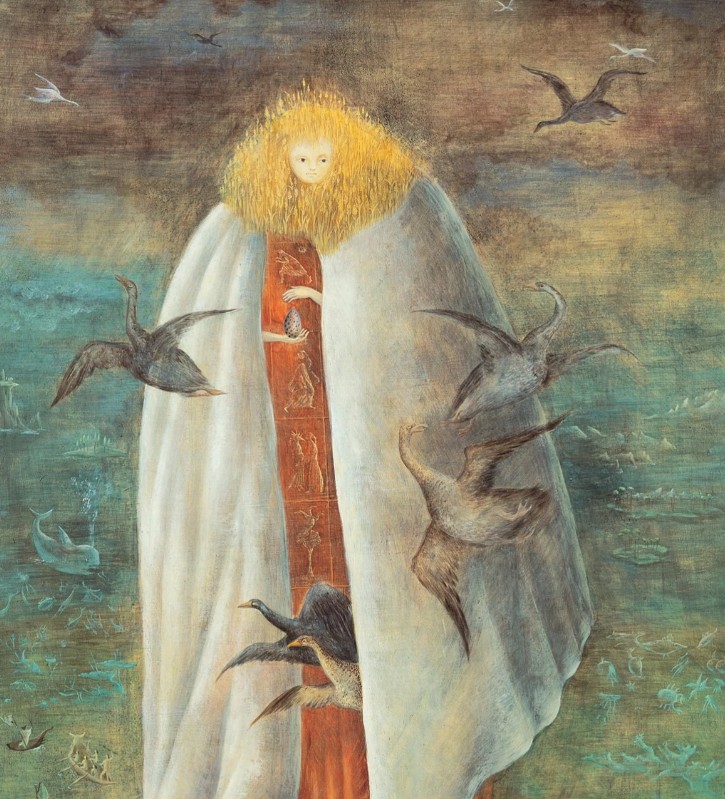
The surreal work of women like Frida Kahlo, Leonora Carrington, and Remedios Varo are more favorites from history. I describe most of the work I do as “surreal portraiture”.
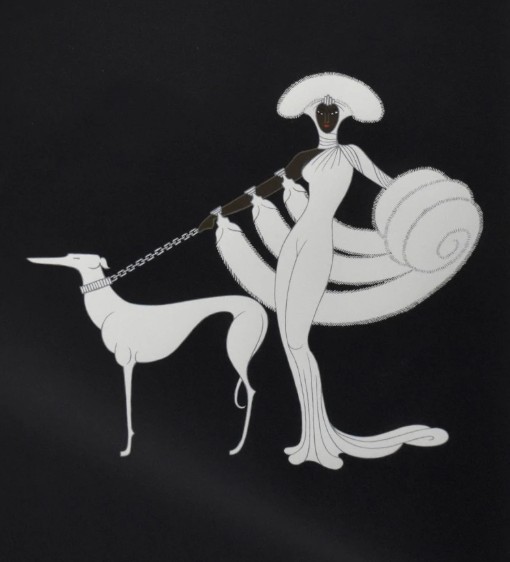
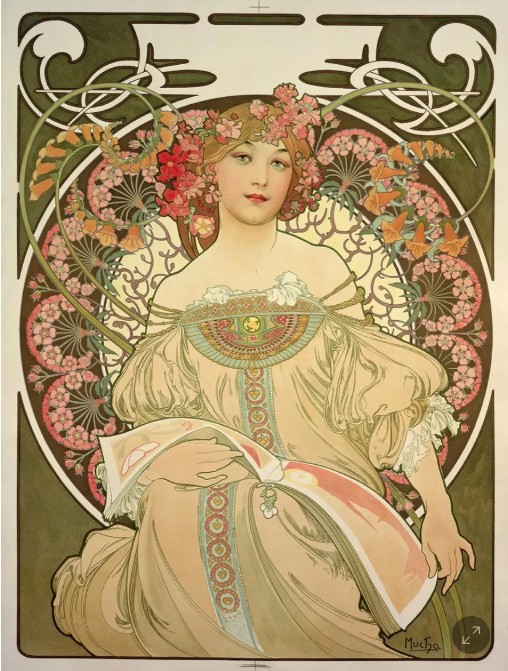
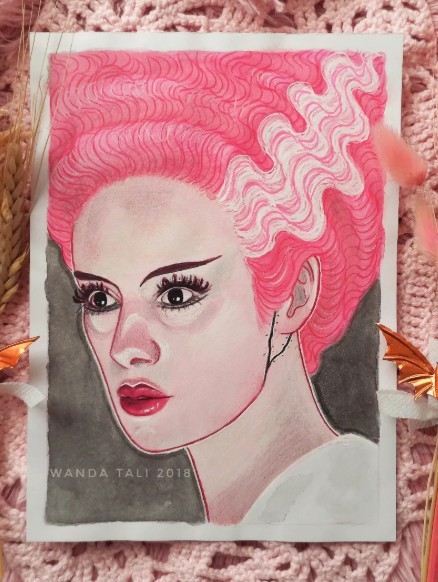
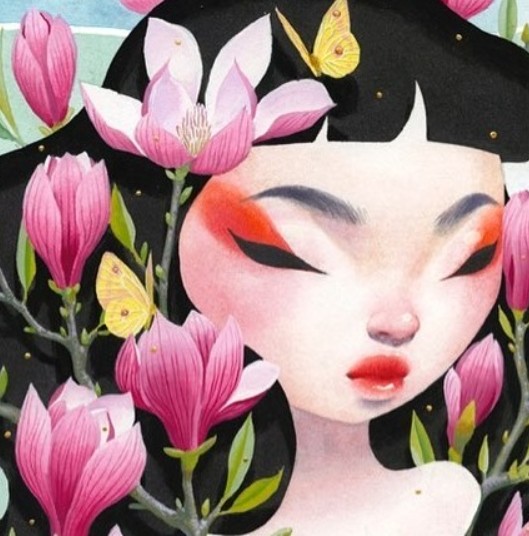
Modern day favorite artists are so many, especially with easy access to images on demand: Sofia Bonati, James Jean, Bao Pham, Wanda Tali to name a few… Art involving people and faces is always what stands out to me first, ever since I discovered Mucha and Erte from looking through art calendars in Barnes and Noble as a teen, my go to hangout spot in a town without much to do back then.
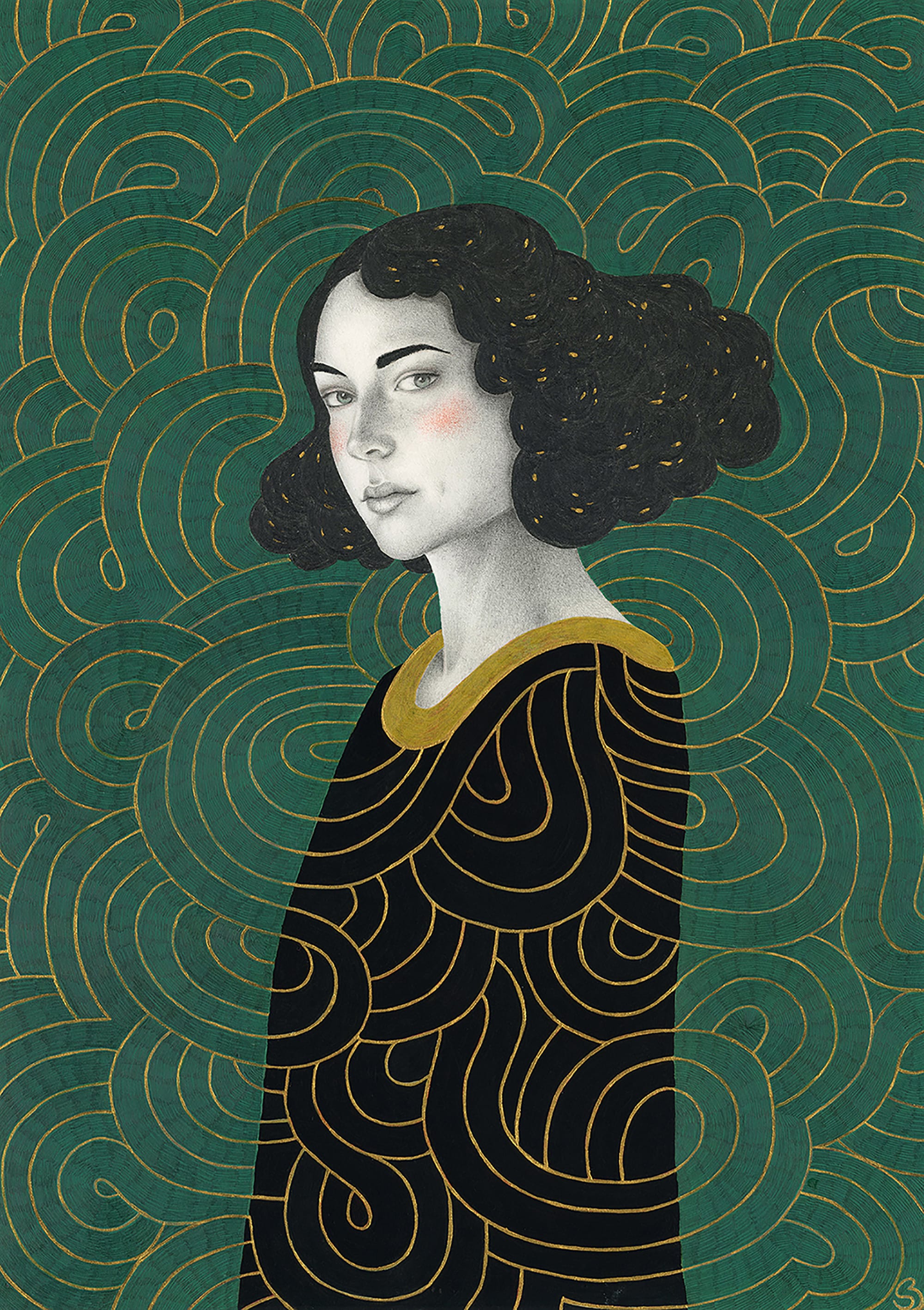
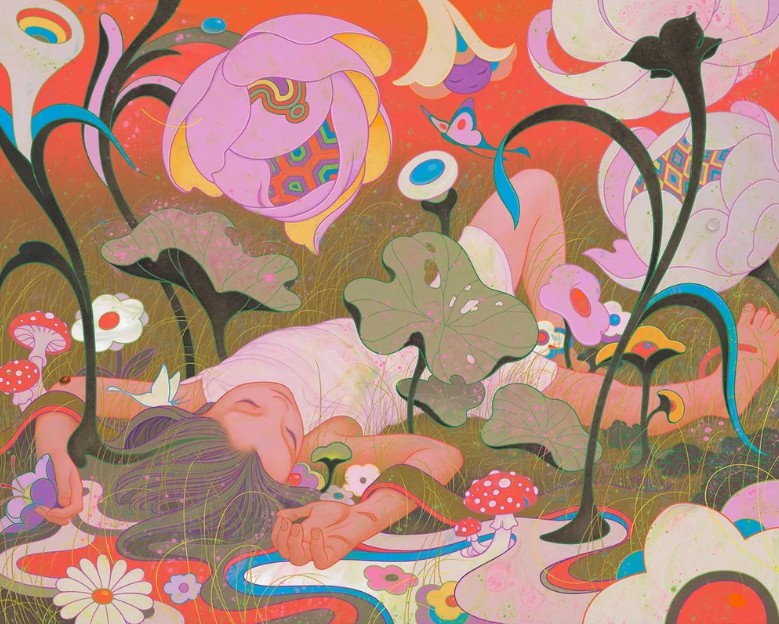
All of these artists’ work makes me feel excited and energized, but I think even more so than other artists are influences, I am influenced by snippets of individual images. I have always had a great memory for imagery, and tend to notice and fixate on interesting shapes, colors, and patterns nestled in my surroundings. I have been ‘screenshotting’ images mentally long before smartphones, and waiting for the perfect moment to retrieve that specific pattern on my mom’s old tin recipe box that she let me play with in my pretend kitchen as a toddler, the warm color scheme of polka dots on my Great Grandpa’s Mid Century Modern juice glasses he’d use to bring us Orange-Pineapple-Banana juice and Donettes when we visited, the crazy wallpaper I once saw at a friend’s house, the interesting tree I passed in someone’s yard while on a walk … All of this ends up in an internal slideshow gallery, a collection of beautiful and interesting things. This appreciation for visuals is partially innate I think, but probably also comes from my parents who in their own way also have an appreciation for beautiful and interesting things. Both love antiques. My dad is a collector, and he would always share interesting rocks, shells, and marbles with me from his treasures growing up. My mom, an avid gardener, would get excited about showing me interesting bugs, and I had all the most premium “insect hotels” to catch and observe them before releasing them back into the wild.

Inspiration comes from everywhere, and sometimes I wonder how a person can be alive and not be constantly inspired.

If you are reading this and have any questions for me as an artist, shoot them my way and I’ll turn your answer into a post, too!

Standard
Project Ideas

Creative Minds Art History Project – Vincent Van Gogh

Hello all! This is my first post I’ll be doing on my Creative Minds class projects I am leading with my program this semester. Each week we will be learning about a well known artist from the past or present, and completing a project based on their process and style. I work primarily with adults with disabilities or mental health issues, and though we will not only study artists with disabilities, mental health issues, addiction, or chronic illness, these individuals will be a special focus.

Today I’ll be walking you through an enjoyable and easy project inspired by the art of Vincent Van Gogh. Being the Coordinator as well as an instructor for an inclusive recreational arts program, there is always a wide range of abilities and experience levels in each class. I am excited to make art history accessible and fun for all ages and abilities. Vincent Van Gogh has always been one of my favorite historical artists, so of course he had to be the artist I chose for week 1. I know that he’s a lot of people’s favorite, but I have always felt a special kinship with him as we also happen to share the same birthday!

900_van-gogh

His use of light, color, and movement through swirling, visible brushstrokes has become iconic and easily recognizable even to those with no knowledge of art. Also common knowledge are Van Gogh’s struggles with mental health throughout his life. He was blessed with a supportive and loving family member, his brother Theo, who financially supported him so that he could continue painting despite being unable to hold a job or make an income for himself. It seems his brother saw firsthand the transformative power of art, giving Van Gogh at least a few more days, months, years, or sometimes just moments of peace and joy than he would have experienced otherwise.

Oil paints are pricey, require copious amounts of time to complete a piece, need adequate ventilation that may not be available in all classrooms, and can be frustrating for beginning artists. So, we ditched the oil paints for oil pastels!

IMAG9983

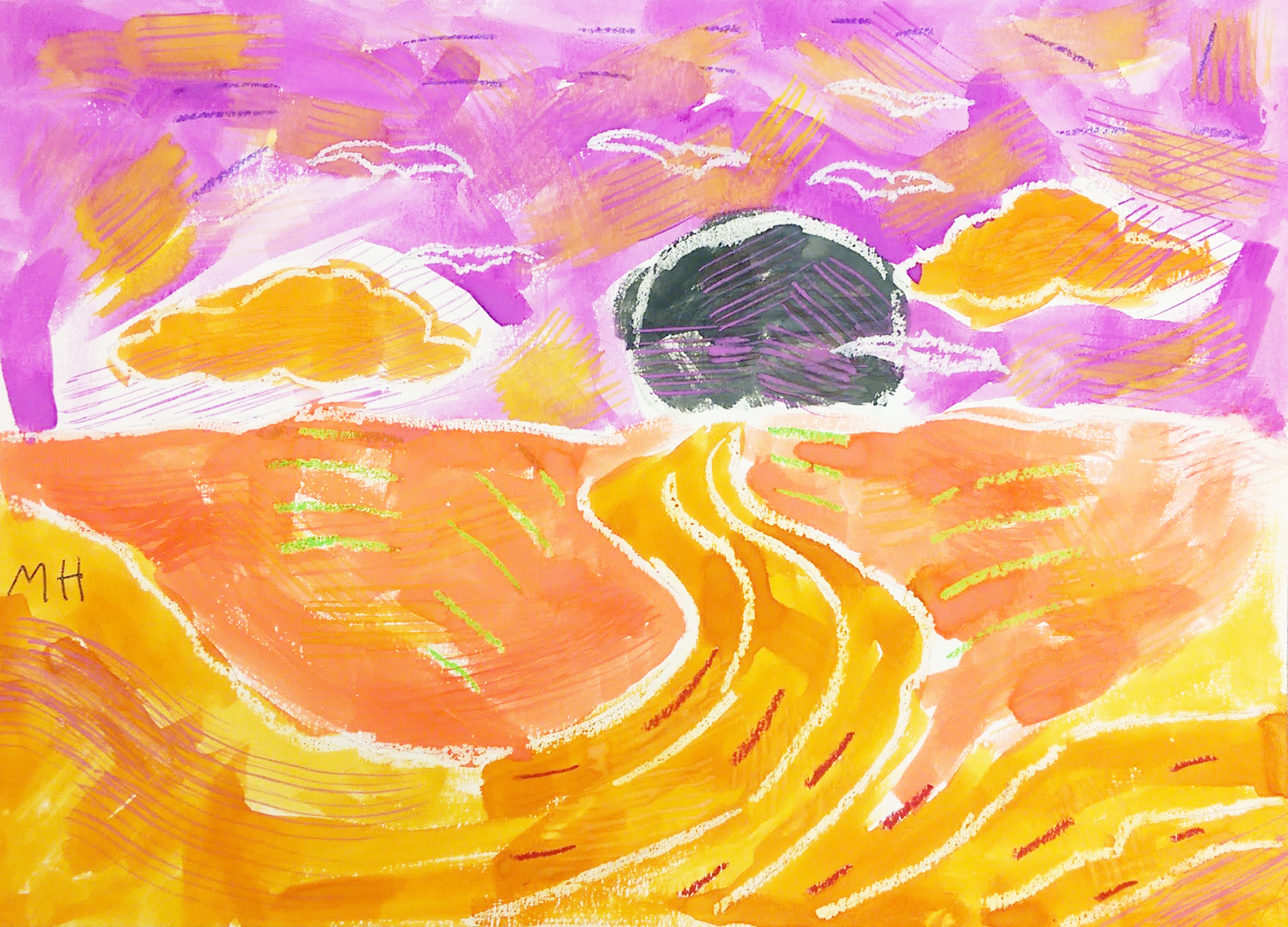
The first step in our project was to make a simple outline in pencil first. Students were encouraged to be inspired by the provided images of Van Gogh’s most famous works, but not necessarily to copy. They could make a scene, a still life, a person or animal, or anything else that came to mind. They could then use the pastels to trace over their pencil outline, and add more lines in between to mimic Van Gogh’s iconic style. Students could fill their paper with as many swirls, stripes, or dashes as they wanted as long as they still left white space behind, because next the magic happens!

IMAG0005

After their pastel outline was completed, students could fill in their different areas with watercolor washes, and watch the oil pastel repel the water. Though not a requirement, this technique is especially amazing to watch when washing darker watercolors over bright or light pastel. One of the students even commented that it was “like magic”. This process is simple enough to be enjoyed by students of all abilities with minimal frustration, but also fun for more advanced students. Pro tip: make sure you have enough water in your paints! If your watercolors are brushed on too dry, they won’t repel as strongly. Also, be sure to use paint brushes with soft bristles. Stiff, scratchy brushes are harder on the oil pastel and will not give as neat of a result.

IMAG0038

There is a common narrative that Van Gogh suffered so much because while he was alive his art never became famous and people wouldn’t buy his paintings. I don’t know about that … I am a Doctor Who fan, and for those of you unfamiliar with the show it’s about time travel. Who would have thought, but this whimsical sci-fi TV show ended up moving me emotionally more than any work of cinema I’ve ever seen, and I watch a lot of movies! In my favorite episode, our adventurers go back in time to pay a visit to Vincent Van Gogh. They end up whisking him away to the future, where he can see all his paintings on display in a museum, and hear his fame being lauded. It is hoped that after seeing this, Van Gogh’s spirit will be renewed, and once he is returned to his own time he will not end his life as he did in history. They hope that when they visit that same museum again after their adventure, there will be walls of new Van Gogh paintings, having altered the past by showing Van Gogh his future. That does not end up being the case.

We put so much emphasis in our culture on fame, money, talent, and popularity that it is hard to accept that these things are not a magical panacea to fix all of our problems, and that sometimes these things are not enough to make us happy.

We need to keep reaching out to each other. As this episode concludes,

“The way I see it, every life is a pile of good things and bad things. The good things don’t always soften the bad things, but vice versa, the bad things don’t always spoil the good things and make them unimportant.”

Make it your goal to add to the pile of good things for the people you encounter each day.

A student that had been reluctant about this project at first because they don’t draw or paint ended up having a blast, saying they felt like they were getting to play and be a kid again. A lot of times, that is exactly what art is about! As Van Gogh himself said,  If you hear a voice within you say ‘you cannot paint,’ then by all means paint, and that voice will be silenced. I hope some of you will decide to play and try this project yourself at home! Be sure to check back in the following weeks for more fun project inspiration.

Standard